What Are the Top Types of IoT Sensors?
A smart building may rely on a temperature sensor near its ceiling, while a factory uses vibration sensors beside a motor. Both produce data, but their jobs, operating conditions, and failure risks differ. IoT Analytics estimated 18.8 billion connected IoT devices worldwide at the end of 2024 and projected 21.1 billion for 2025 in its State of IoT report. That figure counts connected devices, not sensors alone. Still, it shows the scale of systems that depend on sensing and measurement.
The top types of iot sensors include temperature, humidity, pressure, motion, proximity, light, gas, and vibration sensors. Some applications also depend on image, sound, soil, or water-quality sensors. Each type captures a different physical signal, from a room’s changing moisture to a pump’s subtle tremor. Small readings. Big decisions. Choosing well means looking beyond the sensor’s name: accuracy, range, response time, placement, power use, and maintenance all matter. A low-cost device may suit basic monitoring, but not a process where a missed reading carries serious consequences. There is an awkward gap, too: a sensor can return a precise number and still fail to represent the condition people actually need to know. This guide compares common sensor types, explains where they fit, and highlights practical trade-offs, so readers can assess options with care rather than treating every connected measurement as equally reliable.
How IoT Sensors Detect and Report Changes
What Are the Top Types of IoT Sensors?
How IoT Sensors Detect and Report Changes
An IoT sensor measures a physical condition and turns it into data a device can process. Temperature sensors track heat; humidity sensors measure moisture in the air. Motion sensors detect movement, while pressure and light sensors monitor force and brightness. Gas sensors can identify changes in the surrounding air. Each type responds to a different physical signal.
A sensor might sample a room every few seconds, compare its reading with a threshold, then send an update over a network. For example, a temperature sensor could report a rise from 21 to 25 degrees. The receiving system may log the change or trigger an alert. Small details matter. A slow sampling rate can miss a brief event, and poor placement can skew readings. Even a clean-looking number deserves a little doubt.
Some devices filter noisy measurements before reporting them. Others transmit raw readings for later review. Reports may include a timestamp, sensor identifier, and battery status, helping people understand when and where a change occurred. Calibration also matters: dust, vibration, and aging components can gradually affect results. Sensors do not explain what a change means; people must interpret it in context. A door opening may cause a temperature shift, but it may also be ordinary use.
The Main Types of Sensors Used in IoT
IoT sensors turn physical changes into data that software can interpret. IoT Analytics’ State of IoT 2024 report estimated 18.8 billion connected IoT devices by the end of 2024, a 13% increase from 2023. That growth makes sensor choice consequential: a small measurement error can distort alerts, maintenance plans, or energy use. Small signals matter.
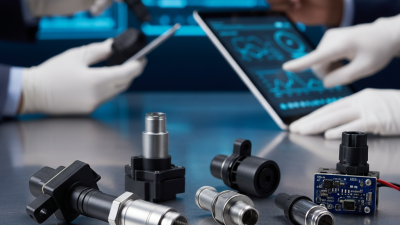
Temperature and humidity sensors track conditions in rooms, cold storage, and greenhouses. Pressure and flow sensors monitor pipes, pumps, and ventilation systems. A rising pressure reading may flag a blockage before a leak becomes visible. Motion and proximity sensors detect movement or distance, supporting occupancy counts and equipment safety. Light sensors measure brightness, while acoustic sensors can register unusual vibration or noise. Each type captures a different part of the physical world.
Gas and chemical sensors identify changes in air or water, while image sensors provide visual detail for inspection and counting. The categories overlap: one device may combine temperature, humidity, and pressure readings. Context is everything. In practice, teams need to consider placement, calibration, operating conditions, and how often readings are collected—not just the sensor label. I would not treat any list as complete; real installations often reveal blind spots that a tidy taxonomy misses. A sensor is useful only when its readings are reliable enough to guide a decision.
How Each Sensor Type Measures Its Environment
Temperature sensors convert heat into a measurable electrical change. A thermistor, for example, changes resistance as a room warms. Humidity sensors often use a material whose electrical capacitance shifts with water vapor. Picture one mounted near a bathroom vent: a brief steam cloud can raise its reading before the room itself feels damp. Placement matters. So does calibration.
Pressure sensors measure force across a diaphragm, then translate its tiny movement into an electrical signal. Accelerometers detect changes in motion along one or more axes; a phone rotated on a desk gives a simple example. Light sensors use photodiodes to turn incoming light into current. Gas sensors may react to particular molecules through chemical or electrical changes, but temperature and aging can distort readings. Imperfect, sometimes. IoT Analytics reported 16.6 billion connected IoT devices worldwide in 2023 and forecast 18.8 billion for 2024 in its State of IoT 2024 report. That scale makes measurement quality more than a technical footnote: a sensor’s location, response time, and drift shape what the system believes is happening. A reading is not the environment itself.
What Are the Top Types of IoT Sensors? How Each Sensor Type Measures Its Environment
Example: Temperature readings are shown in degrees Celsius. These illustrative values represent a plausible indoor day, not a specific field dataset. IoT temperature sensors measure heat; humidity sensors measure relative humidity; pressure sensors measure atmospheric pressure; light sensors measure illuminance; motion sensors commonly detect changes in infrared radiation; distance sensors measure proximity; and gas sensors detect particular gases or air-quality indicators.
Common Uses of IoT Sensors Across Industries
What Are the Top Types of IoT Sensors?
Common Uses of IoT Sensors Across Industries
IoT sensors help organizations observe conditions that are difficult to track continuously. Their value depends on choosing the right measurement for the job. Temperature sensors monitor cold storage in food distribution and medicine handling. Humidity sensors help growers adjust greenhouse ventilation before leaves show stress. Motion and occupancy sensors can guide lighting and room use in offices. Small details matter.
In manufacturing, vibration sensors can reveal unusual machine movement before a breakdown stops production. Pressure sensors monitor pipes and equipment, while location sensors help track shipments across warehouses. Hospitals use connected devices to monitor environmental conditions and equipment status. Sensor readings support decisions; they do not replace trained staff or proper maintenance. A poorly placed sensor can report a neat number that misses the real problem.
Tips: Check sensor placement, calibration, and maintenance schedules. Compare readings with a trusted reference when possible. Start with one clear use case, such as spotting temperature changes in a storage room. Then review whether the data leads to a useful action. Not every reading deserves an alert, and that is easy to overlook.