
What Are the Best Building Terminals in China?

Choosing the best Building Terminals in China requires more than comparing prices or polished product photos. The right choice depends on function, location, safety requirements, and long-term maintenance. A terminal for a high-rise entrance differs greatly from one used in a factory, transport hub, or commercial complex. Small details matter, including material quality, weather resistance, connection accuracy, and installation access.

China offers a broad range of building terminal manufacturers and engineering suppliers. Some focus on standardized products, while others provide custom solutions for demanding projects. Reliable evaluation should include production experience, certification records, quality-control procedures, and after-sales support. Factory visits, sample testing, and independent technical reviews can reveal more than a sales brochure. That is where practical judgment becomes important.

The best option is not always the largest company. It may be the supplier that responds clearly, documents testing, and understands local construction conditions. Delivery stability also matters. A delayed terminal component can hold up an entire installation schedule. Yet no selection method is perfect. Specifications may change, site conditions may be misunderstood, or performance claims may need closer verification. This guide examines leading Building Terminals in China through practical criteria, including design reliability, manufacturing capability, compliance, customization, and service. It aims to support informed decisions rather than promote one universal answer. Real projects remain different. That should not be ignored.
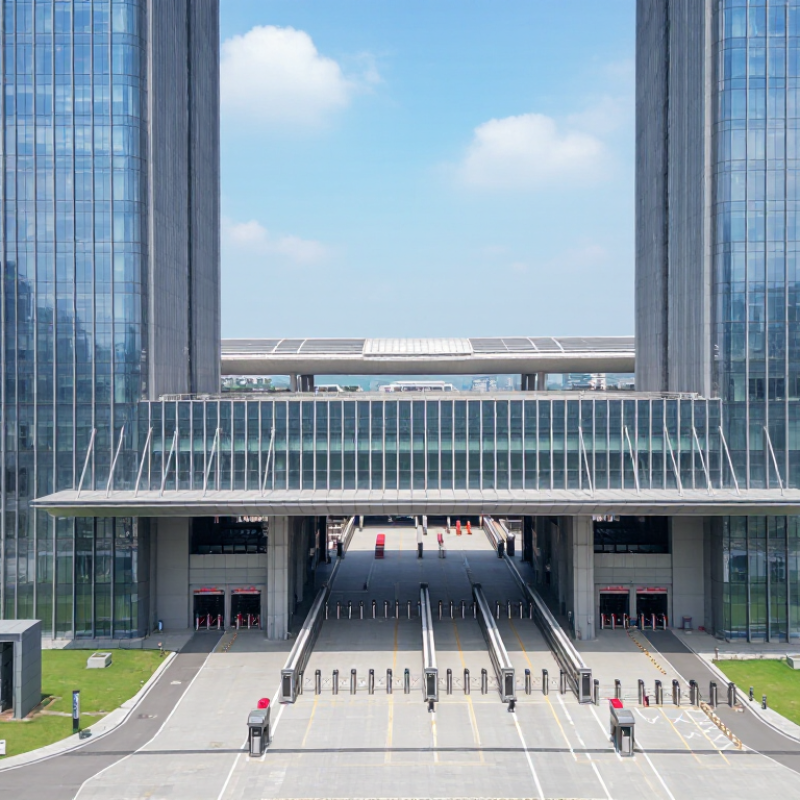
What Are the Best Building Terminals in China?

What Are Building Terminals in China?

What Are the Best Building Terminals in China?

In China, “building terminals” usually means field devices installed inside buildings. These include sensors, energy meters, access terminals, room controllers, and fire or security interfaces. They collect conditions such as temperature, occupancy, electricity use, and equipment status. The term is not perfectly standardized. In practical projects, engineers often classify terminals by function, communication protocol, and maintenance responsibility.

China’s urbanization rate reached 66.16% in 2023, according to the National Bureau of Statistics. More urban buildings require measurable and responsive operating systems. The China Building Energy Consumption and Carbon Emissions Annual Report 2023 reported approximately 2.16 billion tonnes of carbon emissions from building operations in its 2020 assessment. This figure shows why energy meters and environmental sensors matter. A terminal should provide stable readings, local fault alarms, and usable historical data. A beautiful dashboard is not enough.

In real projects, the better building terminals support open protocols, clear wiring records, and simple replacement. Engineers should check compatibility with GB/T 50314-2015 and project-specific requirements. A temperature sensor drifting by two degrees can distort air-conditioning decisions. That detail is easy to miss. Cybersecurity, calibration records, and offline operation also deserve attention. I would not call one terminal “best” without testing its data accuracy, response time, and five-year maintenance cost. Some systems still collect excessive data while offering little operational value. That is a weakness worth questioning.

What Are the Best Building Terminals in China?

“Building terminals” generally refers to the final-use points of the construction market, such as residential, commercial, public-service, and infrastructure projects. There is no single best terminal nationwide; market potential varies with urbanization and local development needs.

China’s urbanization rate increased from 63.89% in 2020 to 67.00% in 2024. This trend indicates continued demand for residential construction, public facilities, urban renewal, transportation, and other infrastructure-related building terminals. The figures are based on China’s official permanent-resident urbanization rate statistics.

How to Evaluate the Best Building Terminals in China

The best building terminals in China should be evaluated by performance, not appearance or price. A building terminal connects essential systems, such as power, water, air, or data, with daily users. Start by checking the product’s load capacity, material quality, protection rating, and expected service life. Ask for current test reports and compliance documents covering applicable Chinese and international standards. Older documents may not reflect current production.

Visit the installation site when possible. Observe cable routing, drainage, access space, and maintenance conditions. A terminal that works well in a dry northern warehouse may fail in a humid coastal building.

Check temperature resistance, corrosion protection, fire performance, and sealing details. Request a sample installation before approving large quantities. Small defects often appear around screws, gaskets, and connection points.

Tips: Compare at least three technical proposals. Verify test reports with the issuing laboratory. Measure noise, heat, and connection stability during trial use. Speak with installers, not only sales staff. Their experience may reveal difficult maintenance or unclear instructions. Leave room for honest doubt; a polished specification can still hide practical weaknesses. I would also review spare-part access and response times before signing. These details rarely attract attention, yet they affect operating costs for years. A careful evaluation should balance verified evidence, local conditions, user safety, and the total cost of ownership.

Major Types of Building Terminals Across China

What Are the Best Building Terminals in China?

China’s building terminals differ according to transport needs, regional climate, and passenger volume. Airport terminals usually provide wide check-in halls, layered security areas, and clear departure routes. Their large roofs must handle strong wind, heavy rain, and seasonal temperature changes. In northern cities, insulated façades help reduce heat loss during winter.

Railway terminals often focus on rapid passenger movement. Tall waiting halls, multiple platforms, and separate arrival paths reduce crowding. Many stations connect directly with urban rail, buses, and taxis. This arrangement saves time, but confusing signs can still trouble first-time travelers. Better guidance remains necessary.

Port terminals serve passengers, containers, or bulk cargo. Passenger ports need sheltered boarding areas, customs facilities, and luggage inspection zones. Freight terminals require strong pavement, loading equipment, drainage, and safe truck circulation. Intercity bus terminals are usually smaller, yet they remain important in inland areas and county-level cities. Their design often reflects local demand rather than visual ambition.

Climate affects every decision. Coastal terminals need corrosion-resistant materials and reliable drainage. Western terminals may require dust control and stronger heating systems. A practical assessment should examine maintenance access, emergency exits, accessibility, and future expansion. Appearance matters, but daily operation matters more. Some impressive terminals age poorly because replacement costs were underestimated. That is an easy mistake to overlook.

What Are the Best Building Terminals in China? — Major Types of Building Terminals Across China
Terminal Type Primary Function Typical Locations in China Common Building Features Best Suited For
Airport Terminal Processes domestic and international air passengers, including check-in, security screening, boarding, baggage handling, and arrivals. Major cities and regional centers throughout China, including coastal, inland, and western regions. Large passenger halls, security zones, departure gates, baggage systems, and connections to road or rail transport. Long-distance travel and cities with substantial air traffic.
Railway Station Terminal Serves conventional and high-speed rail passengers, with ticketing, waiting, boarding, and interchange facilities. National, provincial, and regional rail hubs across mainland China. Separate arrival and departure areas, waiting halls, platform access, passenger information displays, and security checks. Intercity and long-distance journeys, including high-volume passenger corridors.
Urban Rail Terminal Provides access to metro, light rail, or other urban rail services, often as part of a larger interchange. Dense urban areas and transport hubs in cities with urban rail networks. Ticket gates, platforms, concourses, accessible routes, and connections with buses or other rail lines. Daily commuting and local travel within metropolitan areas.
Long-Distance Coach Terminal Handles scheduled intercity and regional bus services, including passenger waiting and coach boarding. City centers, urban outskirts, and transport nodes serving towns and rural areas. Ticketing areas, waiting rooms, boarding bays, coach parking, and passenger facilities. Regional routes and destinations with limited direct rail connections.
Passenger Ferry Terminal Supports passenger embarkation and disembarkation on river, coastal, and island ferry services. Coastal cities, river ports, islands, and locations connected by passenger water transport. Waiting areas, passenger check-in, boarding access, safety controls, and links to local transport. Water-based routes, island access, and short-distance crossings.
Multimodal Transport Hub Connects two or more transport modes within a coordinated passenger interchange. Large cities, new urban districts, and major regional transport centers. Wayfinding, shared concourses, pedestrian links, transfer corridors, and connections to rail, metro, bus, or airport services. Journeys requiring transfers between transport modes.

Leading Chinese Building Terminals by Region and Function

What Are the Best Building Terminals in China?

Leading Chinese Building Terminals by Region and Function

China’s strongest building terminals vary by climate, construction speed, and local engineering practice. In the Pearl River Delta, high-performance windows, curtain walls, and sun-shading systems suit humid heat and typhoon exposure. Installers often prioritize drainage paths, reinforced frames, and corrosion-resistant fasteners. Small details matter.

The Yangtze River Delta is known for precise façade panels, insulated doors, and modular interior systems. These terminals support dense urban projects where clean interfaces and rapid installation are important. In the Beijing-Tianjin-Hebei region, insulated façades, airtight windows, and durable roofing respond to cold winters and strong temperature changes. Material testing should include thermal movement, not only appearance.

Southwestern cities often need moisture-resistant façades, flexible joints, and reliable waterproofing because of heavy rain and complex terrain. In northwest China, insulated envelope systems and dust-resistant external finishes can improve comfort and maintenance performance. Function changes the selection. A hospital entrance needs hygiene, accessibility, and easy cleaning, while a logistics building needs impact resistance and fast replacement.

From site experience, the best terminal is rarely the most expensive one. It is the system that matches local weather, labor skills, maintenance access, and code requirements. Some projects still overvalue visual uniformity. That can hide weak joints and poor drainage. I would also question supplier claims without independent tests, installation records, and project references from similar regions.

How to Choose the Right Building Terminal for Your Needs

What Are the Best Building Terminals in China?

Choosing the right building terminal starts with the building’s daily routines. A residential tower may need video intercom, visitor access, and emergency communication. An office complex may require card, PIN, or facial verification. Warehouses often need durable terminals that work with gloves and dusty hands. The correct choice depends on users, traffic, and risk.

Check the terminal’s operating environment before comparing features. Review temperature range, humidity resistance, screen visibility, and network stability. In a busy lobby, a slow response creates queues within minutes.

For outdoor entrances, weather protection matters more than a decorative display. Ask for test records, installation guidance, warranty terms, and maintenance response times. Local compliance requirements should also be confirmed with qualified professionals.

Security deserves careful attention. Use encrypted communication, controlled administrator access, and clear data-retention policies. Avoid collecting more personal information than the building actually needs. Integration is important too. The terminal should communicate reliably with elevators, doors, alarms, or management software. Test these connections on-site, not only in a showroom.

Small details matter.

On several project assessments, teams focused heavily on appearance and underestimated cabling, lighting, and user training. That mistake can increase long-term costs. A practical trial with real residents, guards, or employees may reveal problems early.

The most expensive terminal is not always the best one. Sometimes, a simpler device is easier to operate, repair, and trust.