2026 Top Types of Relative Humidity Sensors?

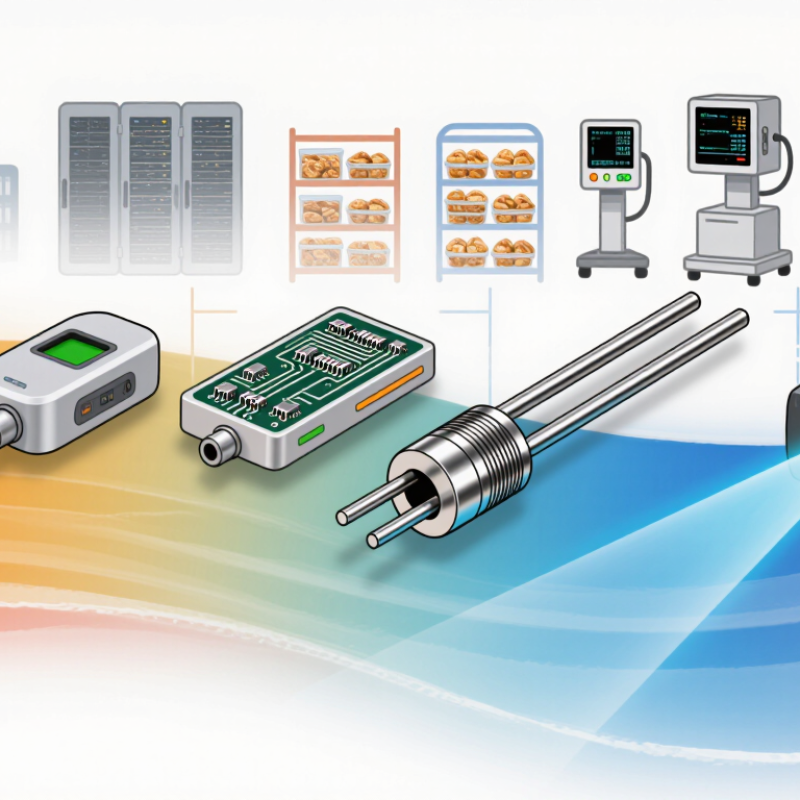
Relative humidity sensors are becoming essential across buildings, data centers, food storage, medical devices, and industrial automation. Their job seems simple: measure moisture in the air. In practice, temperature changes, condensation, dust, airflow, and sensor aging can distort readings.

MarketsandMarkets estimates that the global humidity sensor market could grow from approximately USD 1.3 billion in 2024 to USD 1.8 billion by 2029. Grand View Research also projects continued growth through 2030, driven by smart HVAC systems, connected factories, and environmental monitoring. These figures differ because each report defines the market differently. That gap deserves attention.

Atmospheric scientist Mark G. Lawrence wrote, “Relative humidity is one of the most commonly measured atmospheric variables, yet it is also one of the most difficult to measure accurately.” His observation remains practical in 2026. A sensor placed beside a cold metal duct may report a different value from one installed in a shaded room. Small errors can affect mold prevention, product quality, energy use, and equipment protection.

This guide examines the top types of relative humidity sensors, including capacitive, resistive, thermal conductivity, and optical technologies. It compares accuracy, response time, operating range, calibration needs, durability, and total ownership cost. Capacitive models often lead general-purpose applications, but they are not always the best choice. Harsh chemicals, high condensation, or extreme temperatures may require another design.

The industry is advancing quickly. Not perfectly.

Readers should treat published specifications as starting points, not guarantees. Installation conditions often decide real-world performance.

2026 Top Types of Relative Humidity Sensors?

What Is a Relative Humidity Sensor?

A relative humidity sensor measures how much water vapor exists in air compared with the maximum amount air can hold at the same temperature. Its reading appears as relative humidity, or %RH. For example, 50% RH means the air contains half its temperature-dependent moisture capacity. It is not a water detector. Temperature matters greatly.

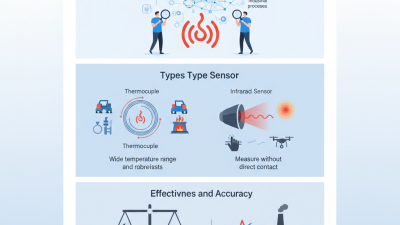
Most modern devices use capacitive sensing, where moisture changes the electrical behavior of a thin dielectric layer. Resistive sensors use moisture-sensitive materials that alter electrical resistance. Thermal conductivity sensors estimate humidity by detecting how vapor changes heat transfer. Each type has practical strengths. Capacitive models usually offer stable readings and low power use, while resistive designs can suit compact equipment. Thermal sensors may perform well in controlled industrial environments.

In field monitoring, sensor placement often matters more than the advertised range. A device near a cooling wall may report condensation risk before room air feels damp. Direct sunlight, airflow, dust, and chemical vapors can also distort readings. Calibration against a trusted reference improves confidence, but calibration is not permanent. Sensors drift. They can age quietly.

A useful humidity system records temperature beside RH. Without temperature compensation, a normal reading may appear misleading. Installation errors are easy to overlook. Even a high-quality sensor cannot correct poor airflow or a wet protective filter. That detail deserves more attention in real applications.

2026 Top Types of Relative Humidity Sensors

A relative humidity sensor measures the amount of water vapor in the air compared with the maximum amount the air can hold at the same temperature. The chart compares representative accuracy levels for widely used sensor technologies at approximately 25°C.

Lower values indicate better typical accuracy. Actual performance depends on temperature, calibration, condensation, response time, and the specific sensor design.

How Relative Humidity Sensors Measure Moisture

2026 Top Types of Relative Humidity Sensors?

How Relative Humidity Sensors Measure Moisture

Relative humidity sensors do not directly count water droplets. They measure water vapor in air and compare it with the maximum vapor possible at the same temperature. A temperature element is usually included because warm air holds more moisture. Even a small temperature error can change the reported humidity.

Capacitive sensors use a moisture-sensitive polymer between electrical plates. As the polymer absorbs vapor, its dielectric properties change. The circuit converts this change into a relative humidity reading.

Resistive sensors measure changes in electrical conductivity instead. Thermal conductivity sensors compare heat transfer through dry and humid air. They can suit industrial gases, but they may require more careful calibration.

Field experience shows that airflow, condensation, dust, and aging can affect every type.

Tips: Place the sensor away from heaters, vents, and direct sunlight. Allow enough response time before recording data. Check readings against a trusted reference during maintenance. Do not assume a stable number is a correct number. I have seen sensors appear accurate while their filters were blocked. This is where practical judgment matters. Calibration records should include temperature, test conditions, and the sensor’s previous behavior. A simple inspection often reveals problems that software cannot explain.

Top Capacitive, Resistive, and Thermal Humidity Sensors in 2026

In 2026, capacitive, resistive, and thermal humidity sensors serve different measurement problems. According to Grand View Research’s 2024 Humidity Sensor Market report, the global market is expected to expand at roughly 8% annually through 2030. That growth reflects demand from HVAC systems, medical equipment, food storage, and industrial automation.

Capacitive sensors remain the practical choice for most connected devices. They measure changes in dielectric properties, offer low power consumption, and usually provide stable readings across a broad relative-humidity range. Field experience shows that condensation, dust, and poor enclosure design still create errors. The sensor is not the whole instrument.

Resistive sensors can reduce system cost and fit compact control boards. They often respond well in moderate humidity, but temperature effects and long-term drift require compensation. Thermal humidity sensors estimate moisture through changes in thermal conductivity. They suit harsh environments and gas-analysis systems, though their power demand can be higher. A 2023 MarketsandMarkets report identified digital humidity sensors as a fast-growing segment, supported by smart-building and industrial monitoring applications. However, forecast figures vary between research firms. That difference deserves attention. Buyers should compare calibration intervals, accuracy at high humidity, response time, and traceability to recognized standards. A low-cost sensor may become expensive after repeated recalibration.

2026 Top Types of Relative Humidity Sensors? - Top Capacitive, Resistive, and Thermal Humidity Sensors in 2026
Sensor Type Operating Principle Typical Relative Humidity Range Typical Accuracy at Room Temperature Typical Response Time Power Requirement Key Advantages Primary Limitations Common Applications
Capacitive Humidity Sensor Measures the change in capacitance caused by a moisture-sensitive dielectric layer absorbing or releasing water vapor. 0–100% RH, with the most stable performance commonly specified across approximately 10–90% RH. Typically ±1.5 to ±3% RH, depending on calibration, temperature, and operating range. Approximately 5–30 seconds in moving air; package design and airflow strongly affect the result. Low power. Suitable for battery-powered systems, especially when duty-cycled. Good accuracy, low hysteresis, broad measurement range, compact size, and compatibility with digital signal processing. Readings can be affected by condensation, chemical contaminants, sensor aging, and temperature changes. Periodic calibration may be required for high-accuracy use. HVAC systems, weather instruments, data loggers, medical equipment, appliances, storage monitoring, and industrial automation.
Resistive Humidity Sensor Measures the change in electrical resistance or impedance of a hygroscopic conductive material as it absorbs moisture. Approximately 20–90% RH for many practical designs; some specialized devices cover a wider range. Typically ±2 to ±5% RH, depending on material, calibration, temperature compensation, and measurement circuit. Approximately 10–60 seconds in moving air. Low to moderate power. The sensing element generally requires an excitation or measurement current. Simple measurement circuitry, low component cost, useful sensitivity over moderate humidity ranges, and easy integration into basic control systems. Greater temperature dependence, possible hysteresis, drift, polarization, and sensitivity to contamination. Performance may decrease near saturation or at very low humidity. Indoor climate control, low-cost monitoring devices, printers, dehumidifiers, packaging equipment, and general-purpose humidity alarms.
Thermal Conductivity Humidity Sensor Determines humidity from the change in thermal conductivity of the gas mixture, typically using heated sensing elements or a paired thermal configuration. Often used for approximately 0–100% RH when the gas composition is known and stable; performance depends strongly on the surrounding gas. Typically about ±2 to ±5% RH in controlled air, with larger errors possible when gas composition or pressure changes. Approximately 1–10 seconds, depending on airflow, heater design, and package construction. Moderate to high power because the sensing element may require continuous heating. Fast response, good resistance to condensation compared with many polymer-based sensors, and suitability for harsh or high-humidity environments. Accuracy is influenced by temperature, pressure, gas composition, airflow, and contaminants. It is generally less suitable where the gas mixture is unknown or variable. Industrial drying systems, compressed-air monitoring, process control, high-humidity chambers, gas analysis, and demanding industrial environments.
Integrated Digital Humidity Sensor Combines a capacitive or resistive sensing element with signal conditioning, temperature measurement, calibration data, and a digital interface. Commonly 0–100% RH, with specified accuracy often limited to a central operating range such as 10–90% RH. Typically ±1.5 to ±3% RH for standard devices; higher-accuracy versions can provide tighter specifications. Approximately 5–30 seconds, depending on the package, measurement mode, and airflow. Low power, with sleep modes and one-shot measurement options available on many devices. Factory calibration, simple system integration, temperature compensation, digital output, and reduced external circuitry. Digital devices can be sensitive to condensation, sensor placement, enclosure design, and long-term exposure to chemicals or extreme humidity. Smart buildings, connected appliances, environmental monitors, wearables, agricultural monitoring, and battery-operated IoT equipment.
Psychrometric or Wet-Bulb System Calculates relative humidity from dry-bulb and wet-bulb temperatures using evaporation and psychrometric relationships. Broad practical range, provided there is sufficient airflow and the wet-bulb surface remains properly wetted. Typically ±2 to ±5% RH when correctly maintained and ventilated. Approximately 30 seconds to several minutes, depending on airflow and thermal equilibrium. Low sensor power, but forced-air systems may require fan power and regular water supply or maintenance. Well-established measurement method, useful for reference checks and calibration work, and relatively independent of electronic humidity-element aging. Requires airflow, clean water, wick maintenance, and accurate temperature measurement. The system is larger and slower than electronic sensors. Calibration laboratories, meteorological equipment, industrial drying, educational instruments, and reference measurements.
Note: Values are representative engineering ranges rather than universal specifications. Actual performance depends on sensor construction, calibration, temperature, airflow, pressure, contamination, condensation, and the measurement electronics.

Comparing Sensor Accuracy, Stability, Speed, and Operating Range

Relative humidity sensors differ most in accuracy, stability, response speed, and usable range. Capacitive polymer sensors usually provide about ±1–3% RH accuracy under clean, moderate conditions. They respond within seconds and cover roughly 0–100% RH. However, condensation, solvents, and dust can cause drift. Resistive sensors are smaller and inexpensive, but their accuracy often falls near ±3–5% RH. They may also respond more slowly at low temperatures.

Chilled-mirror sensors offer the strongest accuracy. NIST humidity measurement guidance identifies dew-point methods as reference-level techniques, with controlled systems commonly reaching around ±0.1°C dew-point uncertainty. The trade-off is speed. Their optical mirror needs time to stabilize, especially during rapid humidity changes. Thermal-conductivity sensors operate across broad humidity conditions and tolerate high temperatures, but temperature compensation remains critical. Their readings can become unreliable when gas composition changes.

The WMO Guide to Instruments and Methods of Observation, WMO-No. 8, commonly treats ±5% RH as a practical performance level for many operational observations. That figure is not enough for pharmaceutical storage or calibration laboratories. ASHRAE guidance places many occupied spaces near 30–60% RH, where capacitive sensors usually perform well. Still, “wide range” claims need testing. A sensor rated for 0–100% RH may not maintain its stated accuracy at 95% RH, freezing temperatures, or after condensation. Field calibration every six to twelve months is sensible, though harsh installations may need shorter intervals. Perfect stability is rare. Sensor placement still matters.

How to Select the Right Relative Humidity Sensor for Each Application

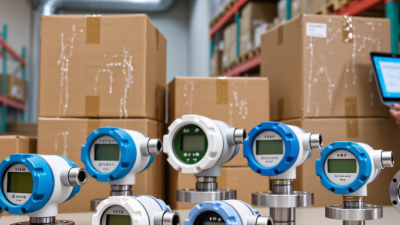
Choosing a relative humidity sensor starts with the environment, not the catalog. Capacitive sensors suit HVAC, storage, and general industrial monitoring. They offer broad ranges and stable readings. Resistive sensors can be compact and economical for portable equipment. Thermal conductivity sensors fit dry-gas measurement, where contamination control matters. Optical methods can help in specialized systems, but they often demand careful integration. Each type has limits.

For a chilled warehouse, select a sensor that handles condensation and repeated temperature changes. A fast response is useful near loading doors. In a greenhouse, protective filters and chemical resistance may matter more than maximum accuracy. Cleanrooms require low drift, traceable calibration, and suitable materials. Check the stated accuracy at your actual temperature. A specification at 25°C may not represent a cold process. Also compare response time, operating range, output format, cable length, and maintenance access. Small installation errors can create large reading errors. Place the probe away from vents, heaters, and direct water spray.

Field technicians often learn that sensor choice is rarely permanent. Dust, solvents, salt, and condensation can age sensing elements. A replaceable filter may extend service life, but it cannot repair poor placement. A common mistake is treating response speed as the main priority. Later, drift may cause more trouble than delay. That deserves reflection. Plan periodic checks against a calibrated reference, and record the surrounding temperature. When readings seem impossible, inspect airflow and wiring before replacing the sensor. The simplest fault is often overlooked.