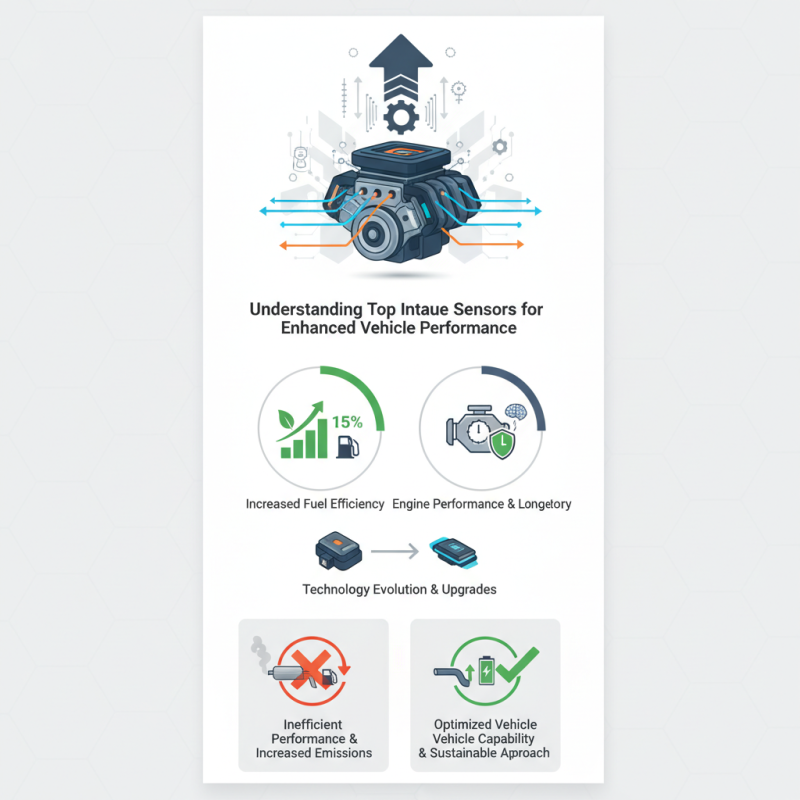
In recent years, the automotive industry has seen significant advancements in vehicle performance through improved intake sensors. These components play a crucial role in monitoring air intake and optimizing engine efficiency. According to a report by the Automotive Sensor Alliance, integrating high-quality intake sensors can lead to a 15% increase in fuel efficiency. This performance boost is critical for manufacturers aiming to meet increasingly stringent emissions regulations.
Dr. Emily Carter, a leading expert in automotive sensors, emphasizes the impact of intake sensors, stating, “The precision of intake sensors directly influences engine performance and vehicle longevity." However, not all intake sensors are created equal. Many vehicles still rely on outdated sensors, impeding their performance. Regular evaluations and upgrades to these components are essential as technology evolves.
The market is brimming with options, yet confusion prevails among many consumers. A legacy of underestimating the importance of intake sensors persists. It's crucial for both manufacturers and consumers to recognize how these sensors enhance overall vehicle capability. Ignoring them can lead to inefficient performance, wasted fuel, and increased emissions, which is not a sustainable approach moving forward.
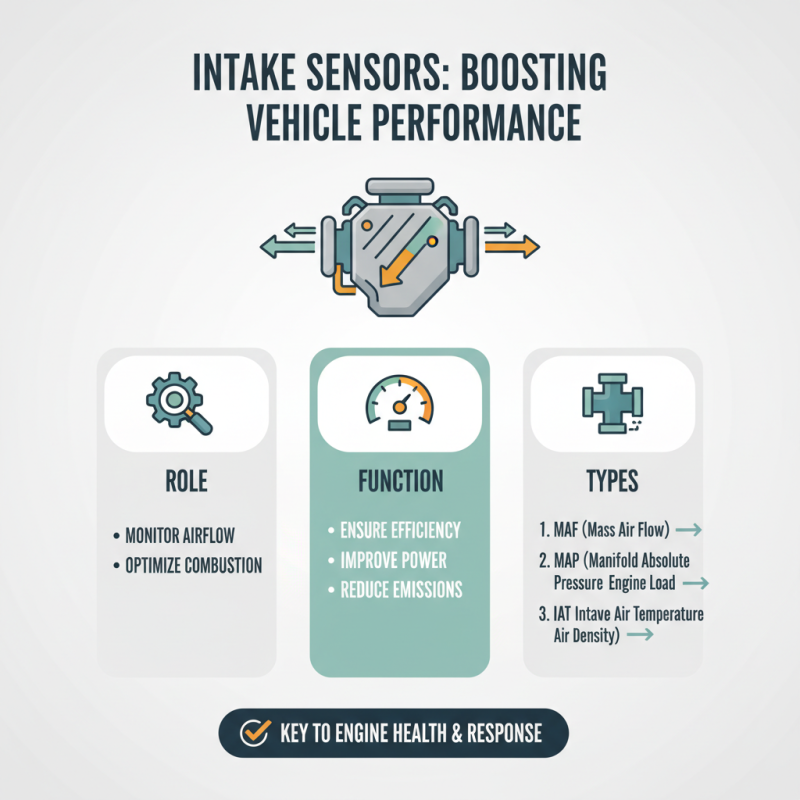
Intake sensors play a crucial role in optimizing engine performance. They monitor the airflow entering the engine. This data helps the engine control unit (ECU) make necessary adjustments. The result is a more efficient combustion process. With accurate measurements, vehicles respond better to driver inputs.
Various types of intake sensors exist. Mass airflow sensors (MAF) are among the most common. They measure the mass of air flowing into the engine. Another type is the manifold absolute pressure (MAP) sensor. This sensor detects the pressure inside the intake manifold. Both types contribute to improved fuel efficiency and power output. However, faulty sensors can lead to performance issues.
Inconsistent readings can affect vehicle performance. A sensor that is not calibrated well may send incorrect values. Drivers might notice hesitation or rough idling. Regular maintenance can help in avoiding such problems. Awareness of these components is key for optimal engine function. Taking the time to understand intake sensors adds value to vehicle performance.
| Sensor Type | Function | Impact on Performance | Common Applications |
|---|---|---|---|
| Mass Air Flow (MAF) Sensor | Measures amount of air entering the engine | Optimizes air-fuel ratio for efficient combustion | Cars, trucks, and performance vehicles |
| Intake Air Temperature (IAT) Sensor | Measures the temperature of intake air | Helps prevent engine knock and improve efficiency | Most gasoline and diesel engines |
| Throttle Position Sensor (TPS) | Monitors the position of the throttle valve | Improves acceleration response and fuel efficiency | Vehicles with electronic throttle control |
| MAP Sensor (Manifold Absolute Pressure) | Measures pressure within the intake manifold | Enhances engine timing and efficiency at different loads | Turbocharged and naturally aspirated engines |

Intake sensors play a crucial role in enhancing vehicle performance. They monitor various aspects of air intake, ensuring optimal engine efficiency. Different types of intake sensors serve unique functions, impacting how well a vehicle performs under various conditions.
Mass Airflow Sensors (MAF) are common types. They measure the amount of air entering the engine. This data helps the engine control unit (ECU) adjust fuel injection. This helps achieve better fuel economy and reduced emissions. However, dirt and debris can affect their accuracy. Regular cleaning can prolong their life.
Another vital component is the Intake Air Temperature (IAT) sensor. It gauges the temperature of the air entering the engine. Cooler air is denser, which can improve combustion efficiency. If the IAT sensor malfunctions, it can lead to poor engine performance. It’s essential to replace faulty sensors promptly.
Tip: Regularly check and clean your intake sensors. This simple task can prevent costly repairs and enhance overall performance. Stay attentive to any discrepancies in your vehicle's response. Sometimes, the smallest detail makes the biggest difference.
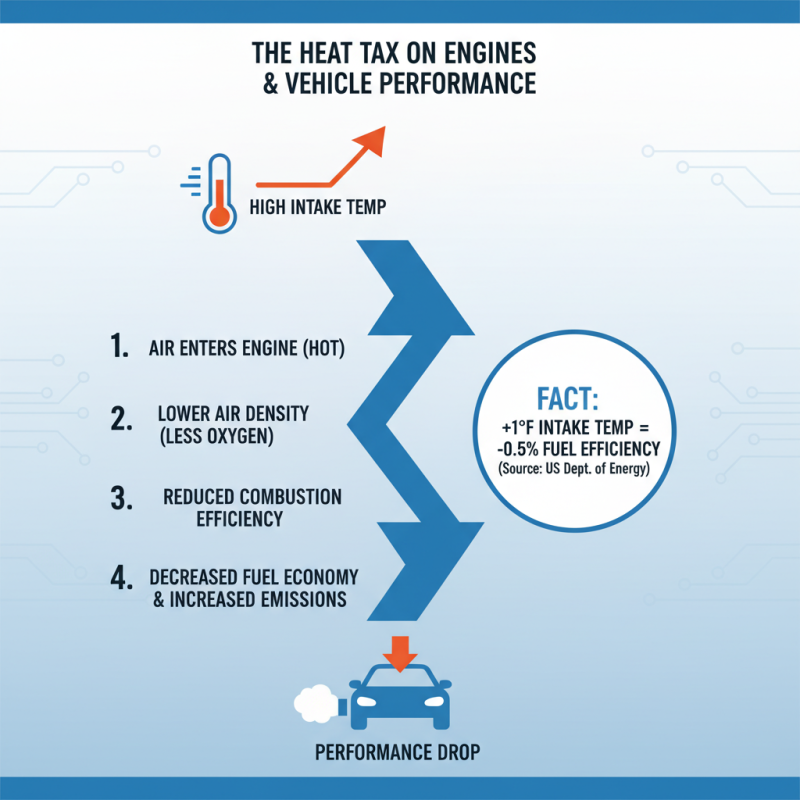
Intake temperature plays a crucial role in vehicle performance. When air enters an engine, it carries heat. High intake temperatures can reduce the air density. This results in less oxygen available for combustion. The effect is a drop in fuel efficiency, which increases emissions. According to the U.S. Department of Energy, an increase of just 1°F in intake temperature can lead to a 0.5% decrease in fuel efficiency.
It is essential to monitor and manage intake temperature for optimal performance. Enhanced sensors can adjust the air-fuel mixture based on temperature readings. This adjustment can help in meeting strict emissions standards, which are becoming more rigorous globally. Vehicles with well-calibrated intake systems can see improved MPG and reduced emissions. Reports show that optimizing air intake can improve engine efficiency by up to 10%.
**Tips:** Regularly inspect your intake system. Look for leaks or blockages. These issues may elevate intake temperature. Also, consider using high-quality air filters. They help maintain proper airflow and engine temperature. Ensure your cooling system is functioning well. Keeping the engine’s temperature balanced will support better performance.
In the world of automotive engineering, intake sensors play a crucial role. These sensors provide real-time data that directly influences vehicle performance. The data they collect can optimize air-fuel ratios, improving combustion efficiency. A recent report from the Society of Automotive Engineers indicates that effective sensor feedback loops can enhance performance metrics by up to 15%.
Real-time analysis helps engineers identify issues instantly. For example, when a sensor detects an irregular reading, it allows for immediate adjustments. This capability can prevent performance-robbing failures. However, reliance on sensors also highlights vulnerabilities. If a sensor malfunctions, it could lead to inefficient performance, affecting overall vehicle reliability.
Continuous improvement and refinement of these technologies are vital. The integration of AI in sensor data analysis has shown promise, yet challenges remain. An analysis by the International Journal of Automotive Technology suggests that achieving perfect calibration of sensors is nearly impossible. The balance between automation and human oversight is still under scrutiny. Consideration must be given to both the benefits and limitations of these systems in enhancing vehicle performance.
This chart illustrates the performance metrics of various top intake sensors over different operating conditions. The data represents efficiency ratings at varying speeds (in RPM) and temperature conditions (in °C).
The evolution of intake sensor technology is a pivotal aspect of modern vehicle performance. As vehicles become more sophisticated, the role of these sensors grows significantly. According to industry data, the global market for automotive sensors is expected to reach $38 billion by 2025. This indicates a strong demand for innovative solutions that enhance efficiency and sustainability.
Emerging trends in intake sensor technology focus on integration and miniaturization. New sensors are now capable of collecting data in real-time, allowing for immediate adjustments in air-fuel mixtures. This could improve both power output and fuel efficiency. Expert studies show that vehicles equipped with advanced intake sensors can achieve up to 15% better fuel economy. Additionally, the rise of electric vehicles places further emphasis on the development of sensors that support hybrid systems.
However, not all advancements come without challenges. The complexity of integrating multiple sensor types can lead to compatibility issues. Some manufacturers struggle with data overload from numerous sensors. This necessitates more robust data management strategies. Effective utilization of these innovations could lead to vehicles that are not only more powerful but also more environmentally friendly. The future of intake sensor technology holds great promise, but addressing these challenges is essential for real breakthroughs.
As a specialist in environmental and flow sensor technology, ScioSense enables companies to use the planet’s resources more sustainably, helping to create a healthier future for all.