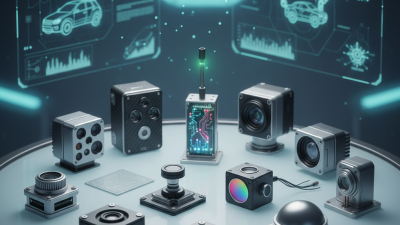
Top Detection Sensors for Enhancing Safety and Efficiency in Various Applications
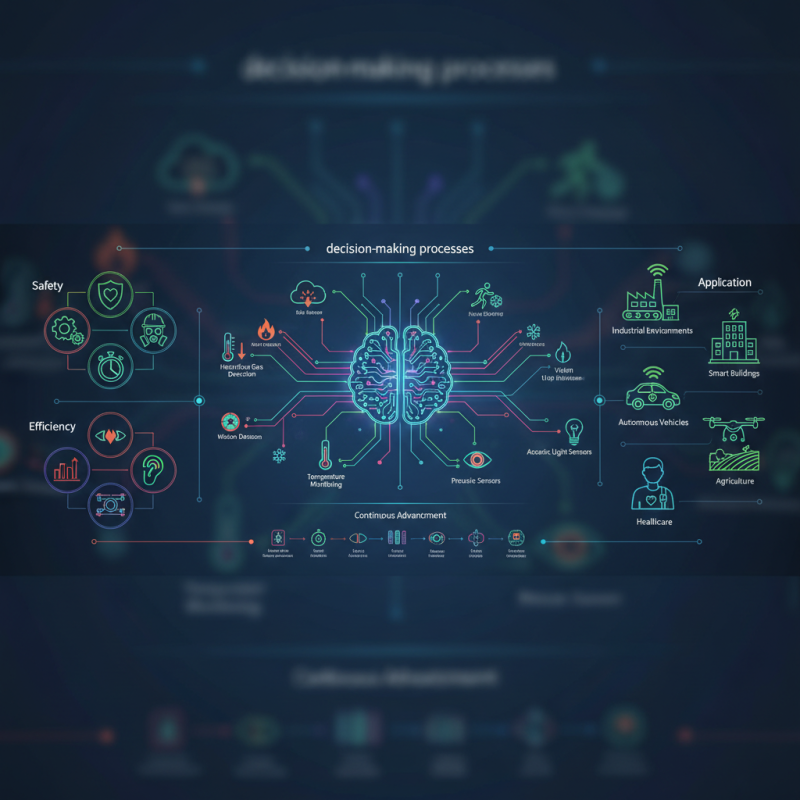
As industries continue to evolve, the importance of safety and efficiency cannot be overstated. One of the crucial components in achieving these objectives lies in the integration of advanced detection sensors. According to Dr. Emily Carter, a leading expert in sensor technology, “Detection sensors are the backbone of modern safety systems, providing real-time data that enhances response times and decision-making processes.” With applications ranging from industrial environments to smart buildings, the role of detection sensors is becoming increasingly vital.
Detection sensors not only serve to monitor environmental conditions but also enable proactive measures that prevent accidents and enhance operational efficiency. Whether it’s through detecting hazardous gases, monitoring temperature fluctuations, or ensuring proper motion detection, these sensors are pivotal in mitigating risks and safeguarding personnel. The continuous advancements in detection sensor technologies promise to deliver even more accurate, reliable, and efficient solutions across various applications.
In this exploration of the top detection sensors available today, we will delve into their functionalities, benefits, and the innovative technologies shaping the future of safety and efficiency. Understanding how these sensors operate and the industries they impact will provide valuable insights into the ongoing advancements in detection technology and its critical role in enhancing operational safety.
Top Detection Technologies: An Overview of Key Sensors in Industries
Detection technologies play a pivotal role in enhancing safety and efficiency across various industries, from manufacturing to healthcare. According to a recent market analysis by MarketsandMarkets, the global sensor market is projected to reach $250 billion by 2025, growing at a compound annual growth rate (CAGR) of 10.5%. This growth is primarily driven by the increasing demand for automation and real-time monitoring, highlighting the essential nature of detection sensors in modern operations.
Key sensors, including proximity sensors, temperature sensors, and gas sensors, are integral to optimizing processes and ensuring worker safety. For instance, a study from Frost & Sullivan noted that the adoption of smart sensors in industrial applications can reduce operational costs by up to 30%. Temperature sensors, which monitor vital heat levels in production processes, can prevent costly overheating, while gas sensors detect hazardous leaks in real-time, significantly minimizing workplace accidents. Moreover, the integration of these technologies with IoT (Internet of Things) systems enables predictive maintenance, further enhancing efficiency and safety measures across various applications.
Enhancing Workplace Safety: Analyzing Gas Detection Sensor Technologies
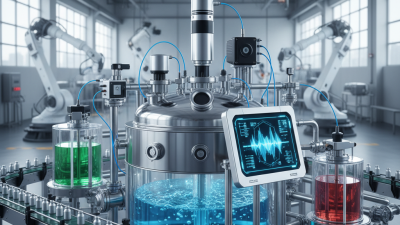
In today’s industrial landscape, gas detection sensor technologies play a crucial role in ensuring workplace safety. According to a recent report by Markets and Markets, the global gas detection equipment market is projected to reach $4.4 billion by 2025, driven by the increasing emphasis on workplace safety regulations and the growing need for real-time monitoring of hazardous gases. These sensors are essential in environments where toxic or combustible gases are present, allowing for timely detection and mitigation of potential risks that could lead to occupational hazards.
Advanced gas detection sensors utilize technologies such as electrochemical, infrared, and catalytic bead systems to monitor air quality continuously. These technologies are designed to provide accurate readings and alert personnel to unsafe levels of toxic gases like carbon monoxide, methane, and hydrogen sulfide. The Occupational Safety and Health Administration (OSHA) suggests that proper gas detection systems not only enhance safety but also improve operational efficiency by preventing costly downtime due to emergency incidents.
As more industries adopt these advanced detection systems, the overall safety standards in workplaces are expected to rise significantly, resulting in a healthier working environment for employees across various sectors.
Efficiency Boost: The Role of Proximity and Motion Sensors in Automation
In the realm of automation, proximity and motion sensors play a pivotal role in enhancing both safety and efficiency across various applications. These sensors contribute to the smooth operation of machinery and equipment by detecting the presence of objects or individuals, thus minimizing the risk of accidents. By integrating these sensors into automated systems, businesses can streamline workflows and reduce downtime, ultimately leading to higher productivity levels.
**Tip:** When implementing proximity sensors, ensure they are strategically placed to maximize their effectiveness. Regular calibration and maintenance are crucial to maintaining their accuracy and reliability.
Moreover, motion sensors take automation a step further by enabling real-time responses to changes in the environment. For instance, in manufacturing settings, these sensors can detect personnel presence and automatically adjust machinery operation to prevent collisions, thus safeguarding worker safety. Additionally, in smart buildings, motion sensors contribute to energy efficiency by controlling lighting and heating based on occupancy, resulting in significant cost savings.
**Tip:** Consider using a combination of motion and proximity sensors to create a more comprehensive safety system. This not only enhances overall performance but also provides valuable data for optimizing operational strategies.
Data-Driven Insights: The Impact of Sensor Integration on Operational Safety
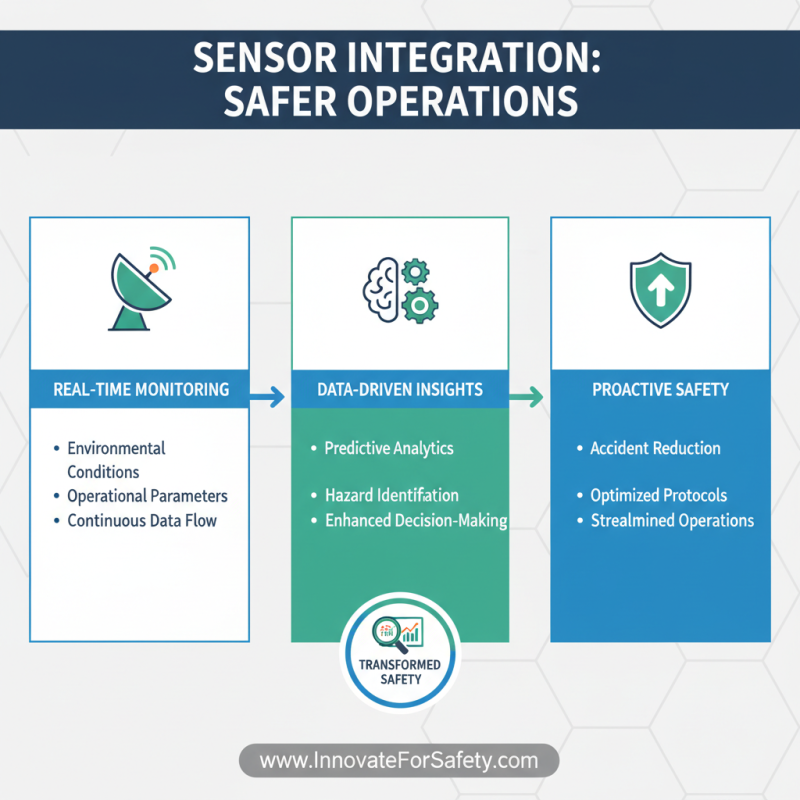
The integration of detection sensors has profoundly transformed operational safety across various sectors by providing data-driven insights that enhance decision-making processes. Sensors are capable of continuously monitoring environmental conditions and operational parameters, allowing for real-time data collection and analysis. This wealth of information empowers organizations to identify potential hazards before they escalate, significantly reducing the likelihood of accidents and improving safety outcomes. By utilizing predictive analytics derived from sensor data, companies can implement proactive measures that optimize their safety protocols and streamline their operations.
Moreover, the impact of sensor integration extends beyond just immediate safety improvements. In environments where machinery and personnel interact, sensors facilitate a more nuanced understanding of workflow dynamics and risk factors. This enhanced visibility enables businesses to refine their operational strategies based on concrete data, leading to greater efficiency and reduced downtime. The ability to adaptively respond to changing conditions, informed by accurate sensor readings, not only boosts productivity but also fosters a culture of safety. Consequently, as organizations increasingly adopt advanced detection sensors, the convergence of safety and efficiency becomes a cornerstone of sustainable operational practices.
Future Trends: Innovations in Detection Sensors Shaping Industry Standards
Detection sensors play a crucial role in enhancing safety and efficiency across various sectors, and the future of these technologies promises even more significant advancements. Innovations in sensor technology are shaping industry standards by introducing smarter, more intuitive systems that can process data in real-time. This capability allows for immediate responses to detected anomalies, drastically improving safety in sectors such as transportation, manufacturing, and healthcare. As industries increasingly rely on automation and data analytics, the integration of advanced detection sensors not only streamlines operations but also reduces the likelihood of human error.
Moreover, emerging trends such as miniaturization and the Internet of Things (IoT) are set to revolutionize how detection sensors operate and communicate. Miniaturized sensors can be embedded in a variety of devices and environments, leading to ubiquitous monitoring capabilities that were previously unattainable. Meanwhile, IoT connectivity enables these sensors to share data seamlessly across networks, fostering collaborative decision-making and predictive maintenance. As these innovations continue to evolve, they will establish new benchmarks for performance, efficiency, and responsiveness, allowing industries to not only meet current safety standards but also anticipate future challenges.
Top Detection Sensors for Enhancing Safety and Efficiency
This chart illustrates the market demand for various types of detection sensors that enhance safety and efficiency across different applications. As industries evolve, innovations in these sensors are setting new standards, and understanding market demand can guide future developments.