In the ever-evolving world of automotive technology, automotive sensors play a crucial role in vehicle performance. These devices monitor various systems in a car, ensuring optimal functionality. Properly functioning sensors enhance safety, fuel efficiency, and overall driving experience.
Consider how automotive sensors regulate engine performance. A malfunctioning sensor can lead to decreased power or increased emissions. Drivers may overlook signs of sensor issues, resulting in costly repairs. Awareness of these components can help maintain vehicle health.
With so many types of sensors, it's easy to feel overwhelmed. However, understanding the key functions of these devices can lead to better vehicle choices. This guide offers essential tips for utilizing automotive sensors effectively to improve your vehicle's performance.
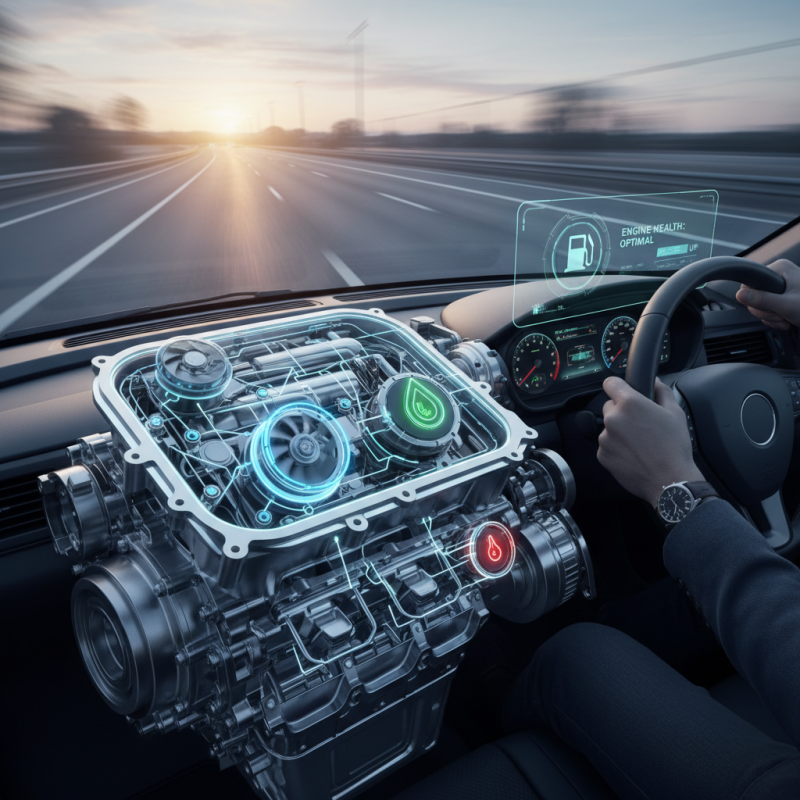
Automotive sensors play a crucial role in vehicle performance. They gather data from various systems within the car, enabling real-time adjustments to improve efficiency and safety. A vehicle equipped with high-quality sensors can respond to changes in driving conditions promptly. This leads to better fuel economy and enhanced handling. Understanding sensor functionality helps drivers appreciate their importance.
Maintaining your sensors is vital. Regular inspections can reveal issues before they escalate. Dirt or debris can obstruct sensors, impacting performance negatively. Keep an eye on warning lights. They often signal sensor malfunctions. For better performance, consider upgrading to newer sensor technology. Modern sensors often provide more accurate readings and faster responses.
Calibration is another key aspect. Sensors may drift over time, affecting their accuracy. Regular recalibration ensures they function correctly. Remember, not all sensors are perfect. Some may require adjustments more frequently than others. Identifying these nuances can help in diagnosing performance issues. Observing sensor behavior can lead to more informed decisions on vehicle maintenance.

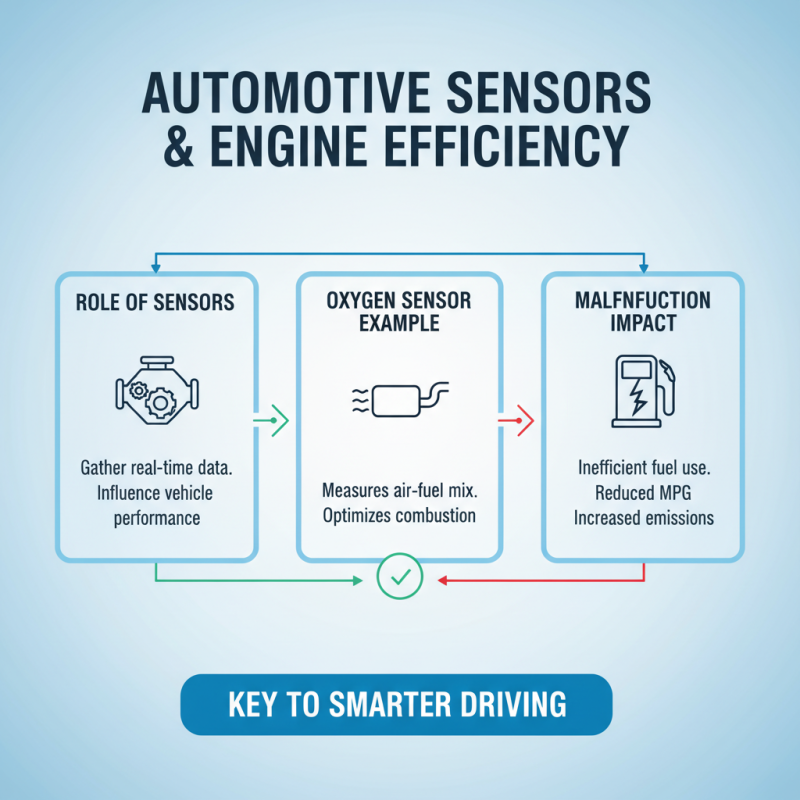
Automotive sensors play a crucial role in enhancing engine efficiency. Each sensor gathers real-time data that influences vehicle performance. For example, the oxygen sensor measures the air-fuel mixture in the combustion chamber. If this sensor malfunctions, it can lead to inefficient fuel usage.
Temperature sensors also contribute significantly. They monitor engine temperature to prevent overheating and maintain optimal operating conditions. A faulty temperature sensor can result in overheating, leading to costly repairs. Drivers often overlook these sensors until a problem arises.
The manifold absolute pressure (MAP) sensor is another key player. It assesses the air pressure within the intake manifold, affecting fuel delivery. Inadequate readings can cause poor acceleration and fuel inefficiency. Regular checks and maintenance of these sensors are often neglected. This oversight can diminish overall vehicle performance.
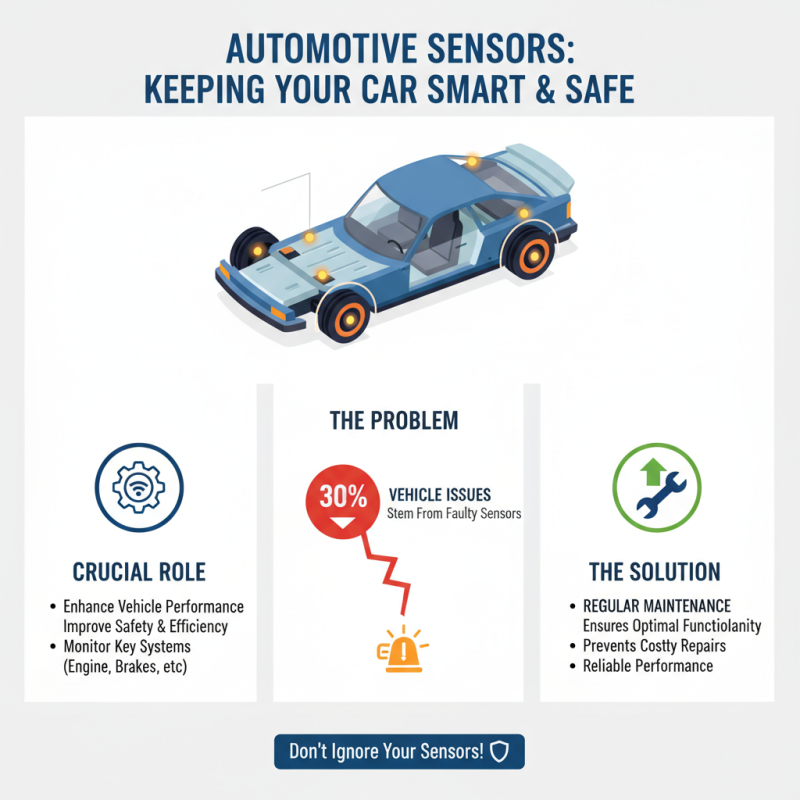
Automotive sensors play a crucial role in vehicle performance. Regular maintenance is essential to ensure their optimal functionality. According to industry reports, about 30% of vehicle issues stem from faulty sensors. This statistic highlights the importance of keeping sensors in good condition.
Regularly checking your sensors can prevent larger problems. Visual inspections can catch damaged wiring or corrosion early. Cleaning sensor surfaces reduces interference from dirt and grime. Additionally, consider using a scan tool. It provides diagnostic information, showing sensor performance data. Cars equipped with advanced sensors may have up to 40% more diagnostic capabilities.
Another aspect is software updates. Many modern vehicles rely on updates for sensor calibration. Ignoring updates can lead to degraded performance. A study showed that 20% of drivers forget to check for updates regularly. Sensor maintenance combined with software checks can significantly enhance vehicle reliability. Don’t overlook the small details; they often lead to bigger issues if neglected.
Automotive sensors play a crucial role in vehicle performance. They monitor various aspects of a car, from engine functions to safety features. However, these sensors are prone to failures. When they malfunction, the entire vehicle can suffer. For instance, a faulty oxygen sensor can lead to poor fuel efficiency. Drivers may notice increased emissions and unexpected engine stalling. This is more than a minor inconvenience; it can become a serious safety issue.
Common sensor failures include temperature sensors and speed sensors. A malfunctioning temperature sensor can cause overheating. This may damage the engine, leading to expensive repairs. Speed sensors, if faulty, can affect transmission performance. Erratic shifting or diminished acceleration may result. Ignoring these issues can create an unsettling driving experience. It's essential to address any warning signs quickly.
Regular maintenance checks can help identify potential problems early. Ensure sensors are cleaned and calibrated properly. Replacement may be needed if they exhibit signs of wear. Taking proactive steps can significantly improve vehicle reliability and performance. However, drivers sometimes overlook these details, thinking they’re minor. It’s easy to dismiss small warning lights on the dashboard. But in automotive care, insight and attention can make all the difference.
| Sensor Type | Common Failures | Impact on Performance | Tips for Maintenance |
|---|---|---|---|
| Oxygen Sensor | Degradation or contamination | Increased emissions, reduced fuel efficiency | Regular checks, replacement every 60,000 miles |
| Mass Airflow Sensor | Dirt buildup, electrical faults | Poor acceleration, engine stalling | Keep air filters clean, inspect connections |
| Throttle Position Sensor | Wear and tear, bad connections | Inconsistent engine performance, idle issues | Regular calibration checks, clean connectors |
| Coolant Temperature Sensor | Failed readings, corrosion | Overheating, poor engine efficiency | Check regularly, test resistance |
| ABS Wheel Speed Sensor | Physical damage, electrical failure | Impaired braking system, ABS warning light | Inspect for damage, ensure clean mounting |
The future of automotive sensor technology is promising, with significant advancements expected. Sensors will become more integrated into vehicle systems. This will enhance overall performance and efficiency. With improved data collection, vehicles can adapt to driving conditions in real time. Drivers will enjoy a more responsive experience.
One trend is the rise of smart sensors. These devices will learn from driver behavior and environmental factors. This capability may lead to safer driving conditions. However, there are potential challenges. Manufacturers must ensure that these sensors are reliable and accurate. Over-reliance on technology might also cause drivers to become complacent. Balancing innovation with human oversight is crucial.
Another advancement is the integration of IoT (Internet of Things) in vehicles. This technology allows vehicles to communicate with each other. It can provide updates on traffic and road conditions. Yet, it raises privacy concerns. Data security will be a top priority. As the automotive industry evolves, addressing these issues will be essential for progress.
As a specialist in environmental and flow sensor technology, ScioSense enables companies to use the planet’s resources more sustainably, helping to create a healthier future for all.