Top 10 Analog Pressure Sensors for Global Buyers
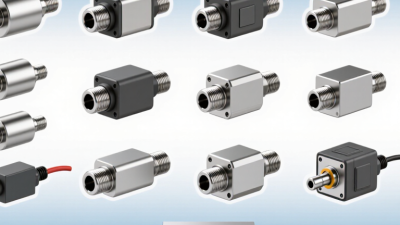
Choosing among the top 10 analog pressure sensors requires more than comparing price and advertised accuracy. Global buyers must examine pressure range, media compatibility, temperature stability, output signal, response time, and long-term reliability. A sensor rated for clean laboratory air may perform poorly with oil, steam, dust, or vibration. Small errors matter.
This guide assesses analog pressure sensors through manufacturer datasheets, technical application notes, and practical installation considerations. It considers common outputs such as 0–10 V and 4–20 mA, along with electrical supply needs and wiring distances. In industrial cabinets, cable interference and grounding can quietly affect measurement quality. Field conditions differ. A neat datasheet can still hide a difficult installation.
Each selected model is discussed with its likely strengths, limitations, and suitable applications. Buyers can compare compact board-level devices with rugged transmitters designed for machinery, process equipment, or HVAC systems. Calibration intervals, enclosure protection, connection style, and replacement availability also deserve attention. These details often influence ownership costs more than the initial purchase price. Not every sensor fits every project, and rankings may change when accuracy, budget, or environmental demands change. That uncertainty is worth acknowledging. A reliable choice balances verified specifications with real operating conditions, supplier support, and responsible engineering judgment.
Analog Pressure Sensors: Operating Principles and Measurement Basics
Top 10 Analog Pressure Sensors for Global Buyers
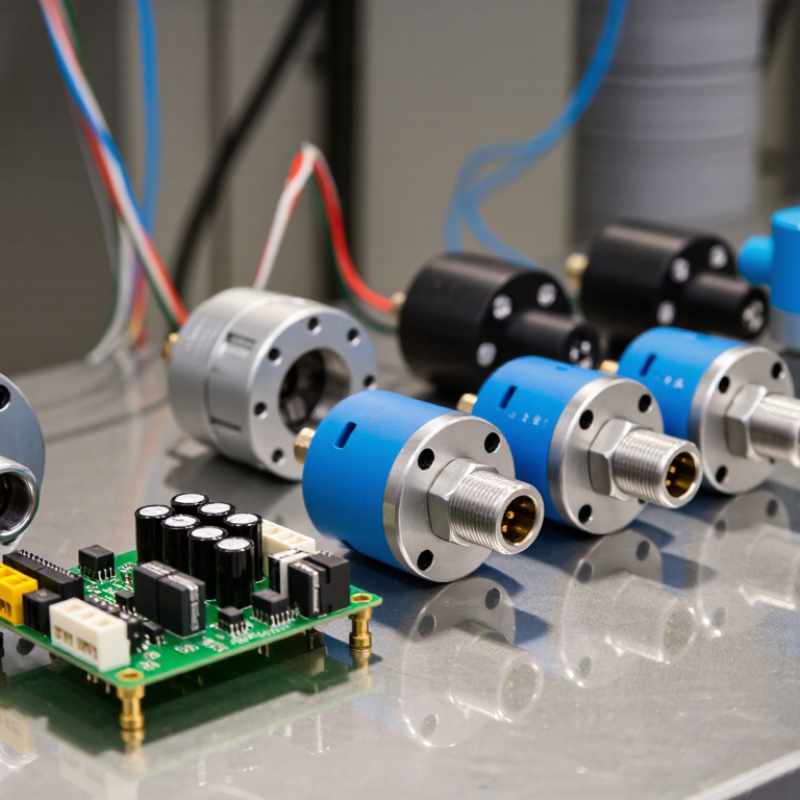
Analog pressure sensors translate physical pressure into a continuous electrical signal. A flexible diaphragm moves slightly when pressure changes. Strain gauges or capacitive elements detect that movement and produce a voltage or current output. Common signals include 0–10 V, 0.5–4.5 V, and 4–20 mA. The last option often performs better over long cables because electrical interference has less effect. Measurement quality still depends on wiring, grounding, and signal conversion.
Pressure reference matters. Gauge sensors compare pressure with ambient air, while absolute sensors use a sealed vacuum reference. Differential sensors compare two pressure ports. A technician should also check range, overload capacity, response time, temperature drift, and required accuracy. A sensor rated for 10 bar may not measure accurately near 0.01 bar. That detail is easy to miss. In field testing, incorrect range selection often creates larger errors than the sensor’s published tolerance.
Tips: Confirm the pressure medium is compatible with wetted materials. Keep signal cables away from motors and switching equipment. Use shielded wiring where interference is likely. Calibrate the complete measurement chain, including the transmitter, cable, and controller. Record readings at several pressure points, not only at zero and full scale. Allow enough warm-up time. Real installations are rarely perfect. Condensation, vibration, and temperature changes can expose weaknesses that bench tests overlook.
Top 10 Analog Pressure Sensors for Global Buyers
Typical full-scale pressure ranges for widely used analog pressure-sensor applications. Actual specifications vary by sensing element, media compatibility, temperature range, accuracy, and installation requirements.
Analog pressure sensors commonly convert diaphragm deformation into a continuous electrical signal, such as 0–10 V, 1–5 V, or 4–20 mA. Lower ranges are typically used for medical, HVAC, and pneumatic systems, while hydraulic and industrial process applications require higher pressure ratings.
Key Specifications for Evaluating Pressure Sensor Performance
When comparing the top 10 analog pressure sensors, global buyers should examine specifications beyond the advertised pressure range.
A 0–10 bar sensor may fit the application, yet its accuracy could be rated only at room temperature. Check whether accuracy includes nonlinearity, hysteresis, repeatability, and zero offset. These details affect real measurements.
Start with the pressure type: gauge, absolute, or differential.
Match it to the process and reference conditions. Confirm the output signal, such as 4–20 mA or 0–10 V, and verify the required supply voltage.
Resolution matters in low-pressure systems. Response time matters when pressure changes quickly. Keep it practical. A slow sensor can distort a pump-control test.
Temperature performance deserves careful attention.
Review compensated temperature range, thermal drift, and long-term stability. I have seen a sensor pass a bench test, then shift after several hours beside a warm motor. Media compatibility is equally important. Check wetted materials, seal resistance, port size, and overload capacity. A sensor rated for clean air may not suit oil, water, or corrosive process media.
Protection ratings, electrical noise immunity, and calibration records support dependable installation.
Ask for traceable test data, not only a general accuracy claim. Mechanical vibration can expose weaknesses that laboratory figures hide. I would also compare current consumption and wiring length before purchasing. Datasheets are useful, but not perfect. Field conditions often disagree.
Examine the smallest detail.
Top 10 Analog Pressure Sensors by Type, Accuracy, and Application
Analog pressure sensors remain practical choices for industrial equipment, water systems, medical devices, and process controls. Their continuous voltage or current output integrates easily with controllers and data-acquisition units. Global buyers should compare sensor type, accuracy, pressure range, and application conditions together.
Piezoresistive sensors suit hydraulic lines, compressors, and general factory automation. They offer fast response and broad measurement ranges. Capacitive sensors often provide strong sensitivity at low pressures, making them useful for ventilation and laboratory equipment. Ceramic thick-film designs tolerate demanding environments and can resist pressure spikes. Check the datasheet.
Accuracy figures need careful interpretation. A stated 0.25% full-scale error may include nonlinearity, hysteresis, and repeatability, or only one factor. Temperature drift can also change readings near outdoor pipelines or heated machinery. It is often overlooked. Select a compensated model when measurements affect dosing, safety limits, or energy control. Then verify calibration with a traceable reference during installation and scheduled maintenance.
Application details matter as much as electrical output. Confirm wetted-material compatibility, overpressure capacity, ingress protection, connector style, and supply voltage.
A 4–20 mA output usually performs well over long cable runs, while voltage signals may need better noise control. In real installations, grounding problems and vibration can reduce accuracy more than the sensor specification suggests. That deserves honest review.
Compatibility, Standards, and Certification Requirements for Global Buyers
Top 10 Analog Pressure Sensors for Global Buyers
The global pressure sensor market was valued at about USD 14.3 billion in 2023, according to MarketsandMarkets. Its report projects growth to approximately USD 18.5 billion by 2028. This expansion increases sourcing pressure, but specifications still matter more than rankings. Buyers should match the sensor’s pressure range, media compatibility, port thread, output signal, supply voltage, and pinout.
A 0.5–4.5 V ratiometric output may suit a microcontroller, while a 4–20 mA signal is often better for long industrial cable runs.
Small wiring differences can stop an otherwise suitable sensor from working.
Standards require closer review. IEC 61000-6-2 and IEC 61000-6-4 address industrial electromagnetic immunity and emissions. IEC 60529 defines IP enclosure ratings, such as IP65 or IP67, but testing conditions must be checked.
CE marking is generally a conformity declaration, not proof of universal product quality. Depending on the destination, buyers may also need RoHS, REACH, UKCA, UL-related evidence, or local registration documents. Requirements vary by application and country.
Ask for calibration records with traceability to national measurement institutes, such as NIST or equivalent authorities. Verify accuracy across temperature, not only at room conditions. Pressure cycling data is useful. So is a sample test.
One overlooked issue is connector availability.
I have seen projects delayed by certificates that looked complete but covered the wrong model. Datasheets can also omit burst pressure, drift, or dielectric strength. Independent laboratory reports reduce that uncertainty, although they cannot replace application testing. Be careful with assumptions.