As technology continues to evolve, the significance of analog sensors and digital sensors cannot be overstated. These devices play a crucial role in various applications, from automotive systems to environmental monitoring, making them fundamental components in modern electronics. According to a recent report by Markets and Markets, the global sensor market is anticipated to reach $327 billion by 2025, with a substantial portion attributed to advancements in analog and digital sensor technologies. This upward trend emphasizes the necessity for professionals and organizations to stay abreast of the latest innovations and developments in this field.
Renowned industry expert Dr. Emily Hartman, a leading figure in sensor technology research, states, "The integration of analog sensors and digital sensors into everyday applications is not just a trend; it’s a transformation that allows for smarter, more efficient systems." Her insights highlight the critical nature of understanding these sensors' functionalities and their impact on the future of technology. As we delve into the top ten analog and digital sensors in 2023, it becomes evident that not only do they serve to enhance precision and reliability, but they also pave the way for innovative solutions across multiple sectors.
In the ever-evolving landscape of technology, understanding the key differences between analog and digital sensors is crucial for optimizing performance in modern applications.
Analog sensors provide continuous data and can capture minute changes in the physical environment, making them ideal for applications requiring precise measurements, such as temperature or pressure sensing. According to a recent report by the International Society of Automation, approximately 60% of industrial sensor implementations still rely on analog technologies, emphasizing their relevance despite the rise of digital formats.
On the other hand, digital sensors convert physical input into discrete signals, which enhances compatibility with digital systems and facilitates easier data processing and transmission. A report by Markets and Markets indicates that the digital sensor market is projected to grow from $28 billion in 2021 to $49 billion by 2026, driven by advancements in IoT and smart technologies. This shift demonstrates an increasing reliance on digital sensors for their performance in automation and data collection.
Tips: When selecting between analog and digital sensors, consider the specific requirements of your application, including the necessary precision, the environment, and integration capabilities. Additionally, evaluate the total cost of ownership, including maintenance and calibration needs, as these factors can significantly impact long-term performance and efficiency.

In 2023, the landscape of analog sensors remains critical for precision measurement in various industrial applications. Among these, temperature sensors lead the market, demonstrating a substantial valuation of USD 8.2 billion, with an anticipated growth rate of over 4% CAGR from 2024 to 2032. This growth is primarily driven by the increasing demand for industrial automation and real-time monitoring capabilities across sectors such as manufacturing and logistics.
Additionally, when assessing the performance of analog sensors, especially in outdoor applications, factors such as accuracy and reliability are paramount. Comprehensive testing over a month revealed the top contenders for outdoor thermometers, showcasing their ability to deliver precise readings under various environmental conditions. The need for high-quality sensors is further underscored by market trends that indicate a shift towards advanced monitoring technologies, emphasizing the essential role these devices play in ensuring operational efficiency and safety in industrial settings.
The evolution of digital sensors has been a game-changer in various fields, facilitating a remarkable increase in data accuracy and reliability. Advancements in microelectronics and materials science have enabled the development of sensors that not only provide precise measurements but also operate under a wide range of conditions. Digital sensors, such as those used in environmental monitoring, health care, and industrial applications, can deliver real-time data with minimal noise, ensuring that the information gathered is both timely and accurate. This shift from analog to digital technology has enhanced the ability to analyze complex datasets effectively, contributing to better decision-making processes across industries.
Moreover, the incorporation of advanced algorithms and machine learning techniques in digital sensors has further improved data accuracy. These innovations allow for adaptive calibration, where sensors can self-correct based on feedback and environmental changes, minimizing human error. With features such as wireless connectivity and integration with IoT platforms, digital sensors not only enhance data acquisition but also facilitate seamless data sharing and analysis. This opens up new avenues for monitoring systems, predictive maintenance, and smart applications, solidifying the central role of digital sensors in the modern technological landscape.
When selecting the right type of sensor for your project in 2023, it is essential to consider the specific requirements and conditions of the application. For instance, underwater sensors play a critical role in marine research, featuring various types like pressure, acoustic, and proximity sensors. Each type offers unique advantages; pressure sensors are vital for measuring depth, while acoustic sensors facilitate communication and navigation in aquatic environments.
Additionally, the environmental sensor market is rapidly evolving, with devices capable of monitoring vital parameters such as temperature, humidity, and gas levels. These sensors are instrumental in industrial applications and environmental monitoring. Fingerprint recognition technology, employing both capacitive and optical sensors, is gaining traction across security applications. Understanding the distinct functionalities and anticipated market trends—such as the projected growth of photoionization detectors—is crucial for making informed decisions that align with project needs and budget constraints.
| Sensor Type | Measurement Range | Accuracy | Output Type | Typical Applications |
|---|---|---|---|---|
| LM35 Temperature Sensor | -55°C to 150°C | ±0.5°C | Analog | Temperature monitoring |
| DHT22 Humidity and Temperature Sensor | 0 to 100% RH, -40°C to 80°C | ±2% RH, ±0.5°C | Digital | Weather stations |
| MPX5700DP Pressure Sensor | 0 to 700 kPa | ±1.5% FS | Analog | Hydraulic systems |
| HC-SR04 Ultrasonic Sensor | 2 cm to 400 cm | ±3 mm | Digital | Distance measurement |
| TCS3200 Color Sensor | Stable color detection | ±2% | Digital | Color recognition |
| MQ-2 Gas Sensor | 300 to 10,000 ppm | ±5% | Analog | Gas leak detection |
| PIR Motion Sensor | Up to 6 meters | ±3% | Digital | Motion detection |
| BMP280 Barometric Pressure Sensor | 300 to 1100 hPa | ±1 hPa | Digital | Altitude measurement |
| MAX30100 Heart Rate Sensor | 0 to 100 bpm | ±2 bpm | Digital | Health monitoring |
| ADXL345 Accelerometer | ±2g, ±4g, ±8g, ±16g | ±0.1g | Digital | Motion sensing |
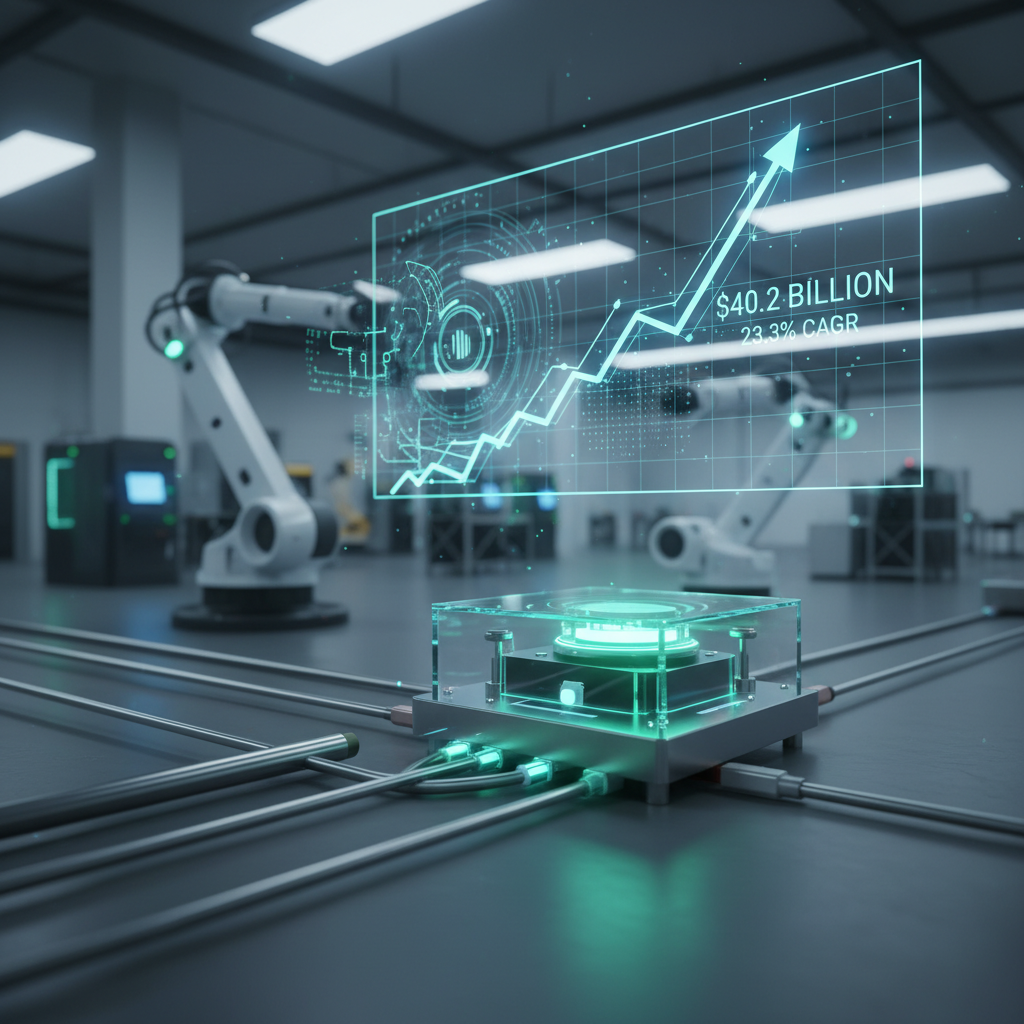
The integration of predictive analytics and the Internet of Things (IoT) is reshaping the landscape of sensor technology in 2023. As industries increasingly rely on data-driven decision-making, sensors equipped with advanced machine learning algorithms can analyze vast amounts of data in real-time, allowing for proactive maintenance and reduced downtime. According to a recent market report by MarketsandMarkets, the global IoT sensor market size is projected to reach $40.2 billion by 2026, growing at a CAGR of 23.3% from 2021. This trend highlights the critical role of sensors in enhancing operational efficiency and enabling smarter environments.
As businesses adopt IoT technologies, integrating predictive analytics into their sensor systems is essential for maximizing performance. Sensors equipped with predictive capabilities can forecast potential failures and optimize usage patterns, saving time and resources. For instance, a study by McKinsey found that predictive maintenance can reduce maintenance costs by 20-25% and cut machine downtime by 50%. This illustrates the value of combining sensor data with advanced analytics to drive operational excellence.
Tips:
As a specialist in environmental and flow sensor technology, ScioSense enables companies to use the planet’s resources more sustainably, helping to create a healthier future for all.