7 Tips for Choosing the Right Sediment Filter
Choosing the right Sediment Filter is less about buying the finest-looking cartridge. It is about matching the filter to your water, equipment, and daily usage. A clear glass of water can still contain sand, rust flakes, or fine clay. These particles may clog faucets, damage valves, and shorten the life of a reverse osmosis system. The correct choice depends on several details: particle size, flow rate, filter capacity, housing compatibility, and replacement frequency.
Small differences matter. A 5-micron filter may protect sensitive equipment, but it can restrict flow faster than a 20-micron option. Well water often needs a different approach than treated municipal water. Check the manufacturer’s data sheet, not only the product description. Look for tested flow rates, pressure limits, material information, and relevant certification claims. NSF/ANSI certification can support confidence, but it does not make every filter suitable for every household.
Real-world installation is rarely perfect.
A filter can perform well on paper and disappoint when the housing is undersized or maintenance is ignored. Sediment levels may change after heavy rain, pipe repairs, or seasonal pumping. That is why choosing a cartridge should include practical observation, not just technical numbers. Notice cloudy water, pressure drops, and visible debris. Record how long the filter lasts. This guide explores seven useful tips for making a more informed choice, while acknowledging an uncomfortable truth: no single Sediment Filter solves every water-quality problem. Testing and reassessment still matter.
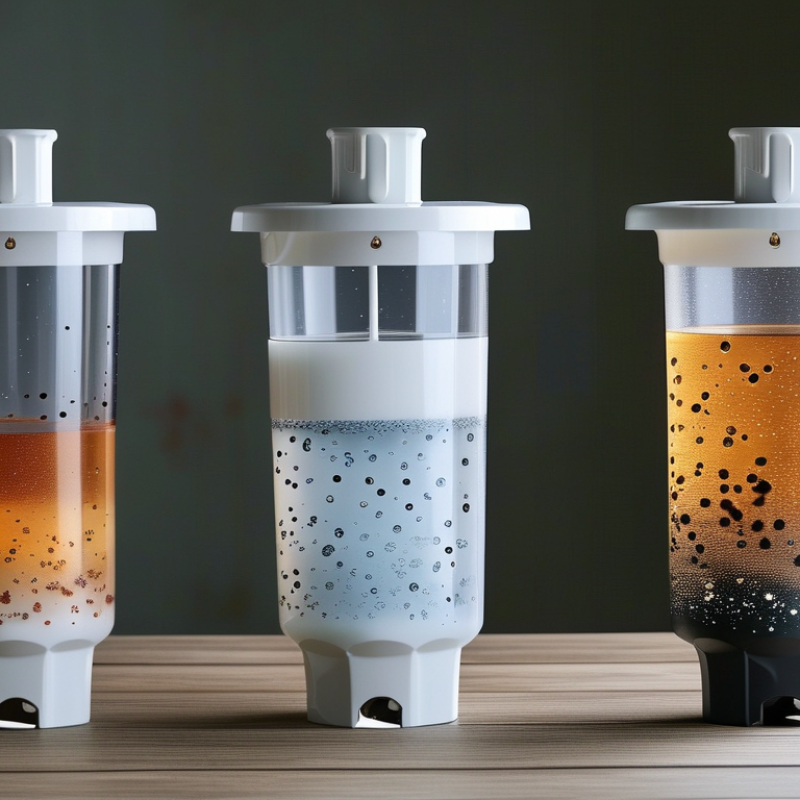
What a Sediment Filter Does and Why It Matters
A sediment filter removes suspended particles from water, including sand, rust, silt, and pipe debris. These particles can cloud water and damage faucets, valves, heaters, and other equipment. The filter works by trapping solids as water passes through its media. It does not remove dissolved chemicals or kill microorganisms. That distinction matters. A clear glass is not proof of safe water.
Tip 1: Identify the sediment first. Fine dust needs different filtration than visible grit. Check the water after heavy rain, plumbing repairs, or storage tank cleaning. A simple sample in a clear container can reveal settling particles. Testing is more reliable, though household conditions are often inconsistent.
Tip 2: Match the filter rating to your actual need. A very fine filter may improve clarity, but it can clog quickly and reduce water pressure. A coarse filter may last longer but allow smaller particles through. Tip 3: Consider flow rate, replacement access, and housing size. Record pressure before installation, then check it again after several days. This practical step is often missed. No choice is perfect. Even experienced users can overestimate how clean their supply is. Select a filter with verified specifications, inspect it regularly, and replace it when pressure drops or the cartridge becomes visibly loaded.
7 Tips for Choosing the Right Sediment Filter
What a Sediment Filter Does and Why It Matters
Sediment filters physically reduce suspended particles such as sand, rust, silt, and dirt before water reaches other treatment equipment. The chart shows common nominal filter ratings: a lower micron value generally provides finer sediment filtration, while a higher rating usually allows greater flow and longer service life. Choose the rating according to the particle size, water quality, flow demand, pressure loss, and replacement schedule.
The values represent commonly used nominal sediment-filter ratings rather than a universal performance guarantee. Actual particle removal depends on filter construction, water conditions, installation, and manufacturer testing.
How to Identify the Sediment Levels in Your Water
Choosing the right sediment filter starts with measuring what is actually in your water. Do not judge sediment by color alone. Fill a clear glass jar, leave it undisturbed for 24 hours, and inspect the bottom. Grit suggests heavier particles, while a cloudy haze may indicate fine silt or clay. Check the water before and after flushing the tap. The difference can reveal pipe debris rather than a constant source.
A turbidity meter gives stronger evidence. The U.S. Geological Survey explains that turbidity measures light scattering, not sediment weight. Therefore, cloudy water can contain very little mass, while heavy particles may settle quickly. The World Health Organization recommends turbidity below 1 nephelometric turbidity unit for effective disinfection, with lower levels preferred. EPA filtration standards commonly require 0.3 NTU in at least 95% of samples and no more than 1 NTU at any time. These values guide treatment, but they do not replace a local water test.
Record seven details: visible grit, settling time, turbidity, particle color, odor, pressure loss, and filter replacement speed. Test several taps, especially the first-draw kitchen tap and an outdoor faucet. A pressure gauge can expose loading before flow becomes weak. A 5-micron filter may remove fine particles, but it can clog quickly when sand enters the line. A jar test helps. It is not perfect. Seasonal changes, well pumping, and nearby construction can alter results, so one sample may mislead you.
How to Select the Correct Filter Micron Rating
7 Tips for Choosing the Right Sediment Filter
How to Select the Correct Filter Micron Rating
Choosing a sediment filter starts with the water, not the housing. The micron rating describes the particle size a filter is designed to capture. However, ratings are not measured under one universal method. Nominal ratings remove a stated percentage of particles. Absolute ratings aim to retain nearly all particles at or above the listed size. Ask for the test method before comparing filters.
Collect a water sample after heavy use. Inspect it in a clear glass. Sand, rust flakes, and cloudy silt need different attention. A laboratory report is better than guessing. If particles measure around 20 microns, a 20-micron filter may seem logical. However, a tighter 5-micron filter can clog quickly in dirty water. Flow may fall within days. Match the rating with flow demand, pressure, and replacement access.
I once chose a fine filter too early. The water looked cleaner, but shower pressure dropped sharply. That mistake taught me to check dirt load and pressure loss together. Use staged filtration when sediment varies. Place coarse protection before finer filtration. Check the filter after one week. Its surface tells a useful story. A muddy outer layer may justify a coarser prefilter. A clean cartridge with weak flow can indicate sizing or pressure problems. Do not treat the micron number as a guarantee. Verify performance with measured flow and pressure readings.