
Choosing the right Cable Lugs can significantly impact the success of your electrical project. These components play a crucial role in ensuring a secure and efficient connection between wires and terminals. With various options available, selecting the appropriate cable lugs requires careful consideration.
When examining your project needs, factors such as cable size and material should guide your decision-making. You might think a one-size-fits-all approach works, but that’s rarely the case. Proper sizing ensures optimal performance and prevents potential failures. Also, consider the environment. Will your cable lugs be exposed to moisture, heat, or chemicals? The wrong choice can lead to corrosion and reduced lifespan.
Remember, not all manufacturers are created equal. It's vital to choose reputable brands known for quality. Low-cost alternatives may seem tempting, but they often sacrifice reliability. Take time to research and reflect on your choices. In the end, investing in quality cable lugs will pay off in reduced maintenance and enhanced safety for your project.
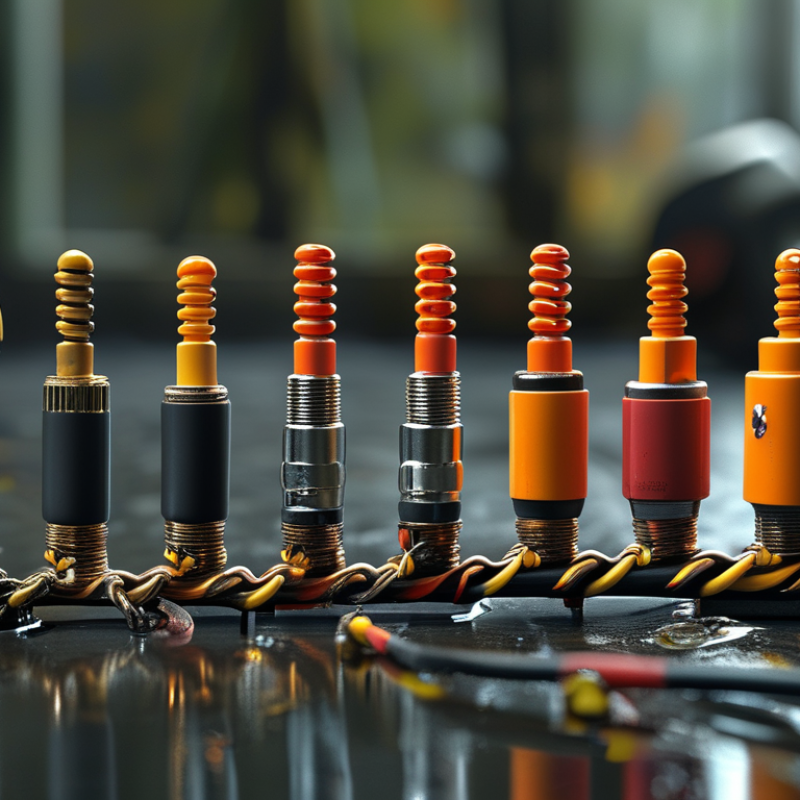
When selecting cable lugs, understanding the various types available is crucial. There are different shapes and materials, each suited for specific applications. For instance, copper lugs are widely used for their excellent conductivity. Aluminum lugs are lighter and often used in overhead lines. Consider the environment where the cables will be installed. Corrosive environments may require lugs with extra protection.
Tip: Always check the lug’s rating. Ensure it matches your project’s voltage and current requirements. Using the wrong type can lead to failure. It's vital for safety and efficiency.
Another key point involves wire sizes. Cable lugs are designed for specific wire gauges. Mismatched sizes can cause loose connections, leading to overheating. Pay attention to both the gauge and lug type.
Tip: Invest in quality products. While cheaper options might seem appealing, they often lack reliability. This can cost more in the long run due to potential failures or replacements. Always rely on trusted sources for your cable lugs.

When selecting cable lugs, material choice plays a critical role. Copper and aluminum are the two most common materials used. Copper lugs deliver excellent conductivity, making them ideal for high-performance applications. According to industry data, copper offers around 60% better conductivity than aluminum. This efficiency translates into improved energy savings and reduced heat generation.
On the other hand, aluminum lugs are lighter and often more cost-effective. They can be the better choice for applications where weight is a significant concern. However, aluminum's lower conductivity may require larger-sized lugs to handle the same current load as copper. This means the investment in aluminum may lead to higher installation costs due to the need for larger cable diameters.
Corrosion resistance is another factor to consider. Copper can corrode in certain environments, while aluminum has natural oxidation layers that protect it. Understanding the specific conditions of your project can help in making the right material choice. Inappropriate selections may lead to insulation failures or premature equipment failures. Each project has unique requirements that need careful evaluation to ensure reliability and longevity.
Choosing the right cable lugs for your project involves several important factors. One key consideration is the size of the lugs. You must ensure they fit the wires and terminals properly. A snug fit prevents issues with conductivity and connection stability. If the lugs are too small, they won’t grip the wire effectively. Conversely, oversized lugs may lead to loose connections, which can cause overheating.
The format of the lugs is also crucial. There are various types available, such as eyelet, ring, and fork lugs. Each type serves a distinct purpose. For example, ring lugs work well in permanent connections. In contrast, fork lugs are suited for applications needing frequent disconnection. Assess your project’s specific needs carefully.
When selecting lugs, consider the environment they will be in. Harsh conditions demand more robust materials. For outdoor or industrial use, choose lugs made of corrosion-resistant materials. Regular testing or inspection might be necessary. This helps to ensure that the cable lugs maintain their performance over time. Ensuring a proper size and format can significantly impact the efficiency and reliability of your electrical connections.
When selecting cable lugs, electrical ratings are crucial. These ratings indicate the maximum current and voltage a lug can safely handle. Without understanding these, you risk failures. Overloading can lead to overheating or even fire hazards. Always check the specifications carefully to match them with your project's requirements.
One important tip is to assess the application environment. Consider factors like temperature and moisture. Adverse conditions can impact performance. Choose lugs that are rated for these conditions to ensure durability. Proper insulation is also essential. This protects against short circuits and enhances safety.
Moreover, remember to consider the conductor size. It directly affects the lug's performance. If the lug is too large or small, connections may loosen or fail. This can have serious consequences. Evaluate all these aspects to make an informed choice. Following these guidelines can help you select the right cable lugs for your needs.
The above chart represents the top five factors to consider when selecting cable lugs for your electrical projects. Each factor is rated on a scale from 1 to 10 based on its importance, highlighting that material quality and electrical ratings are crucial in ensuring safety and efficiency.
When selecting cable lugs, understanding environmental conditions is critical. High humidity can cause corrosion. The type of metal used in cable lugs can greatly affect longevity and performance. For instance, copper lugs may offer better conductivity, but aluminum lugs are often preferred in outdoor applications due to their resistance to oxidation. According to a report by the Electrical Trades Union, using the wrong material in corrosive environments can reduce performance by up to 50%.
Temperature fluctuations also play a significant role. Extreme heat can lead to expansion, while cold can cause contraction. These changes can stress connections, leading to failure. A study from the Institute of Electrical and Electronics Engineers (IEEE) found that 70% of electrical failures were due to inadequate environmental considerations during installation.
Water exposure is another factor to consider. Waterproof lugs provide better solutions in wet conditions. Yet, many projects overlook this, resulting in costly repairs. Testing under real-world conditions can reveal hidden weaknesses. Evaluating these factors ensures optimal performance and longevity of cable lugs in various settings. Addressing them early in the planning phase can save future headaches.
As a specialist in environmental and flow sensor technology, ScioSense enables companies to use the planet’s resources more sustainably, helping to create a healthier future for all.