
Choosing the right equipment for your industrial needs can be a complex task. One option that stands out is the Magnetic Separator. This device offers unique capabilities that can enhance productivity and safety in various industries. Magnetic Separators are designed to remove ferrous materials from non-ferrous products. They operate efficiently and ensure the quality of the final output.
In today's competitive landscape, having a reliable Magnetic Separator is crucial. It helps in maintaining equipment integrity and minimizes downtime. Industries such as food processing, recycling, and mining benefit significantly from using this technology. However, selecting the appropriate separator requires careful consideration of factors like material type and application.
Many businesses overlook the importance of regular maintenance for Magnetic Separators. Neglecting this aspect can lead to inefficiencies and increased operating costs. Overall, investing in a high-quality Magnetic Separator is essential for long-term success. Yet, it's vital to analyze specific needs before making a choice. This ensures that you make the best decision for your operational goals.
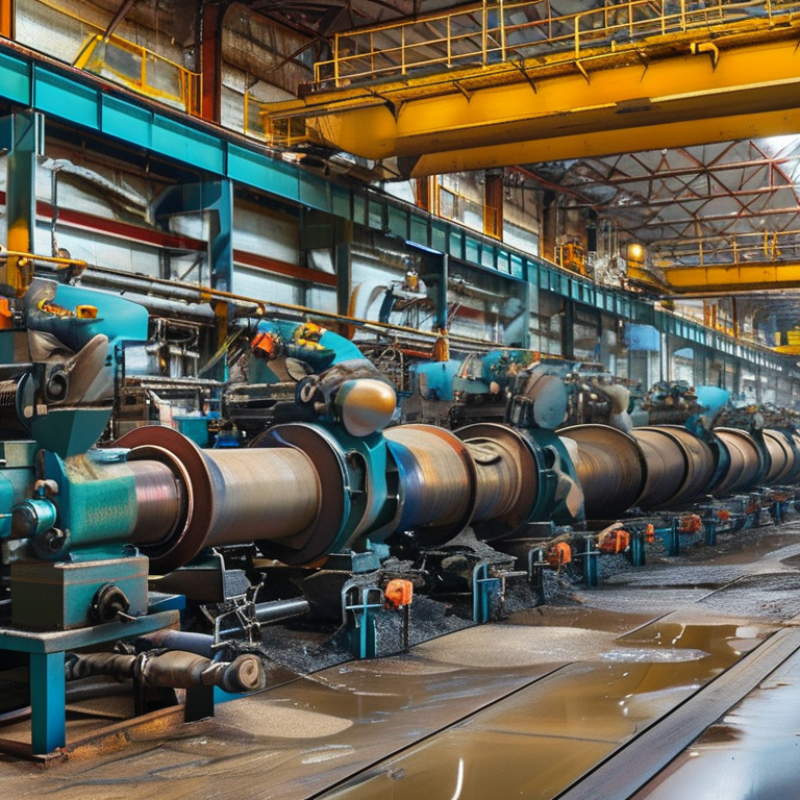
Magnetic separators play a crucial role in various industries. They efficiently remove metal contaminants from materials, ensuring product quality and safety. Understanding their functionality is essential for anyone involved in manufacturing or processing.
Magnetic separators use magnets to attract ferrous metals like iron and steel. This process is simple yet effective. The separators can be installed in conveyor belts, hoppers, or chutes. They capture unwanted metals before they contaminate products. Regular maintenance is vital; a neglected separator may fail to perform as expected.
Different types of magnetic separators exist, each with unique applications. Some work for dry materials, while others are designed for wet processing. Choosing the right type depends on your specific needs. It is crucial to consider your material characteristics and contamination levels. A mismatch can lead to inefficiencies and increased production costs.

When selecting a magnetic separator, understanding the types available is crucial. Different industries require specific types of separation based on their unique needs. Common types include permanent magnet separators and electromagnetic separators. Each type serves distinct applications and offers varying levels of efficiency.
Permanent magnet separators are ideal for removing ferrous contaminants from dry materials. They are often used in food processing and mining industries. Electromagnetic separators, on the other hand, are suitable for bulk processing and handle larger volumes of materials. They provide stronger magnetic fields, allowing for the separation of fine metal particles.
Tip: Consider the nature of your material when choosing a separator. For instance, if processing powders, a permanent magnet may suffice.
Also, think about your production environment. Dusty or wet conditions may favor one type over another. Regular maintenance is essential to keep the separator functioning optimally.
Tip: Schedule routine inspections to prevent unexpected downtime. Always monitor the performance to ensure separation quality. This attention to detail can enhance productivity and efficiency in your operations.
Magnetic separation is gaining traction in various industries for its ability to enhance efficiency and safety. By removing metal contaminants from materials, it protects machinery and ensures product purity. This not only reduces downtime but also boosts production reliability. Industries like food processing and recycling are reaping the benefits.
Tips: Regular maintenance of your magnetic separator is crucial. Check for any wear or obstruction that could impair performance. Addressing issues proactively can save costs in the long run.
Efficiency is often measured in throughput. Magnetic separators can increase this by streamlining operations. Think about how much time you spend handling maintenance and repairs due to metal debris. Cleaner processes lead to safer environments for workers.
Additionally, safety is paramount. Metal contamination can lead to serious accidents. Implementing a magnetic separator can significantly reduce these risks. This not only protects employees but also enhances your company's reputation.
Tips: Train your team to understand the importance of magnetic separation. Awareness can improve adherence to safety protocols. A well-informed staff is a safer staff.
| Benefit | Description | Application | Efficiency Improvement | Safety Enhancement |
|---|---|---|---|---|
| Cost Savings | Minimizes operational costs by reducing product contamination and waste. | Food processing, recycling | Up to 20% | Reduces risks of contamination. |
| Improved Product Quality | Enhances the purity of final products by removing ferrous contaminants. | Pharmaceuticals, chemicals | Increases customer satisfaction. | Ensures compliance with industry standards. |
| Operational Efficiency | Streamlines production processes by integrating seamlessly with existing systems. | Manufacturing, mining | Boosts throughput by 15%. | Improves operational safety. |
| Environmentally Friendly | Reduces waste and minimizes environmental impact through efficient recycling. | Recycling, waste management | Enhances resource recovery rates. | Contributes to sustainability goals. |
Magnetic separators are essential tools in various industrial applications. They efficiently remove metal contaminants from materials, ensuring product purity. Industries such as food processing, mining, and recycling greatly benefit from their use. In food production, for instance, they prevent metal pieces from entering the final product. This safeguards both consumer health and brand reputation.
In the mining sector, magnetic separators help isolate valuable minerals from waste. These devices enhance the efficiency of extraction processes, contributing to resource conservation. Recycling facilities also employ them to recover metals from waste streams. The presence of contaminants in materials can disrupt production.
Tips: Regular maintenance of magnetic separators is crucial. Clean the separators frequently to maintain their effectiveness. Consider placing multiple separators in a production line. This strategy can increase contamination removal efficiency. Monitoring your separators can reveal potential areas for improvement. Adjusting their placement based on material flow can yield better results. Investing in proper training for staff is key, too. They should understand the importance of these devices in maintaining product quality.
Magnetic separators play a crucial role in various industries, notably in recycling and mining. Their efficiency depends significantly on regular maintenance and adherence to best practices. According to a report from the Institute of Electrical and Electronics Engineers (IEEE), improper maintenance can reduce the separator's magnetic strength by up to 30%. This highlights the importance of routine checks and timely servicing.
Regular inspections are vital. Operators should examine the magnetic field strength, ensuring it meets operational standards. Cleaning the separator to prevent buildup is essential. Accumulation of materials can impair its performance. In fact, a study by the International Journal of Mineral Processing indicated that 15% of operational delays are due to neglected maintenance. Small improvements, such as promptly addressing wear and tear, can lead to significant betterment in output.
Furthermore, training staff on the correct operation of magnetic separators is often overlooked. Knowledgeable operators can dramatically increase efficiency. The National Institute of Standards and Technology (NIST) recommends ongoing education on best practices. It suggests that well-trained teams can boost productivity by nearly 20%. Regular audits of both equipment and procedures can also foster a culture of safety and reliability, enhancing overall performance.
As a specialist in environmental and flow sensor technology, ScioSense enables companies to use the planet’s resources more sustainably, helping to create a healthier future for all.