What Is a Hydrocarbon Cleaning System and How Does It Work?
A Hydrocarbon Cleaning System removes oils, grease, fuel residues, and other hydrocarbon-based contaminants from industrial parts. It usually combines a cleaning fluid, controlled spray or immersion, filtration, and drying equipment. The system may serve workshops, manufacturing plants, transport facilities, and maintenance departments. Its purpose is practical: cleaner components, safer inspections, and more consistent production results.
The cleaning cycle often begins with loading contaminated parts into a sealed chamber. Pumps then circulate the selected solvent or cleaning agent across their surfaces. Heat can improve cleaning performance, while agitation helps loosen residue from threads, joints, and narrow channels. Filters capture suspended particles, and vapor recovery limits unnecessary fluid loss. After cleaning, the system may use air, vacuum, or controlled evaporation to dry each part. Experienced technicians still inspect critical areas by hand. Machines can miss hidden deposits.
This guide will explain the main components, operating stages, suitable applications, and important maintenance practices. It will also examine how filtration, temperature control, and fluid management affect performance. Industrial cleaning is not simply about using a stronger chemical. Material compatibility, part geometry, contamination type, and workplace controls all matter. A system that cleans steel effectively may damage seals or sensitive coatings. That detail is easy to overlook. Reliable operation requires manufacturer guidance, trained personnel, documented inspections, and appropriate environmental controls. No system performs perfectly under every condition. Regular testing and honest review help identify weak points before they become costly failures.
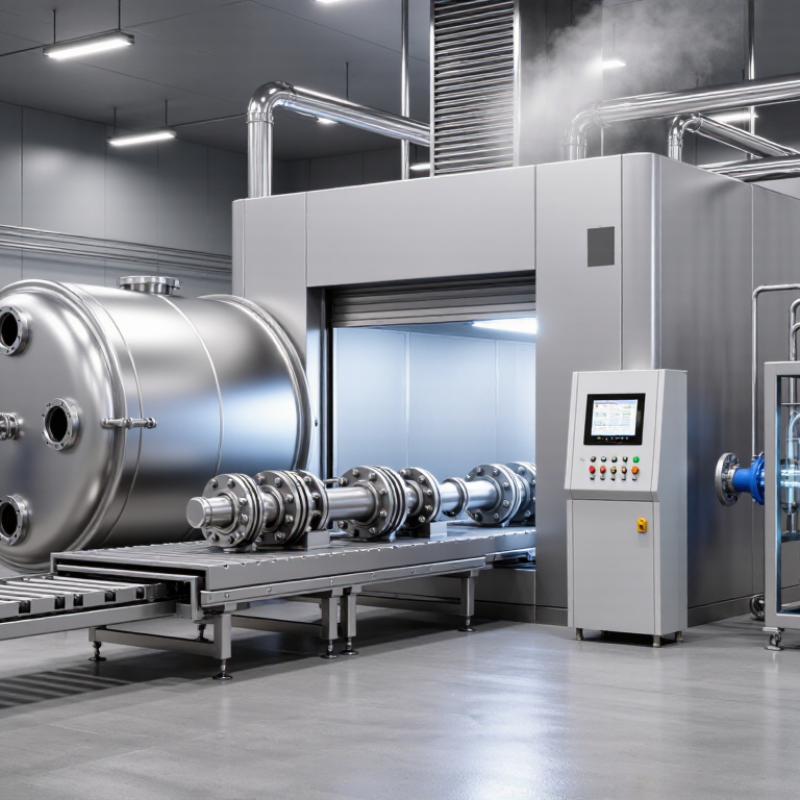
What a Hydrocarbon Cleaning System Is
What a Hydrocarbon Cleaning System Is
A hydrocarbon cleaning system removes oil, grease, wax, and machining residue from metal components. It uses refined hydrocarbon solvent instead of water-based detergent. The solvent enters a sealed cleaning chamber, contacts the parts, dissolves contaminants, and then drains into a recovery tank. Many systems add spraying, immersion, filtration, vapor cleaning, or ultrasonic agitation.
The key feature is solvent recovery. During drying, controlled heat converts the solvent into vapor. A condenser then cools that vapor and returns it to the process tank. Filters capture solid particles, while oil separators reduce solvent contamination. The European Commission’s 2020 Surface Treatment BREF reports controlled solvent processes with indicative VOC levels commonly around 5–20 mg carbon per normal cubic metre. Actual results depend on enclosure design, airflow, and maintenance. The U.S. EPA’s AP-42 guidance also identifies evaporation, drag-out, and equipment leaks as major solvent-loss pathways.
Tips: Check seals, filters, and condenser temperatures every shift. Measure solvent concentration, not only visual cleanliness. A clean-looking part can still fail testing. Also, hydrocarbon systems are not automatically sustainable. Poor loading practices can increase vapor losses, and excessive solvent use may create unnecessary waste. In practical trials, operators should record cycle time, residue levels, solvent consumption, and surface quality. The data may reveal that a slower cycle performs better. Efficiency is sometimes less obvious than expected.
Main Components and Their Functions
A hydrocarbon cleaning system removes oil, grease, and machining residue from metal parts using a controlled petroleum-based cleaning fluid. The system usually operates inside a sealed chamber, limiting vapor release and protecting nearby workers. Its effectiveness depends on coordinated components, not solvent alone.
The storage tank holds the cleaning fluid and supports stable circulation. A pump moves the fluid through spray nozzles or immersion zones. These actions reach narrow grooves and drilled passages. Filters capture chips and suspended dirt before they return to the tank.
A heater maintains the required temperature, while a cooling section controls vapor movement. Many systems also include a distillation unit. It separates contaminated fluid from reusable solvent, although separation is never perfectly clean.
The drying stage removes remaining liquid from part surfaces. Air knives, vacuum drying, or controlled vapor drying may be used. Sensors monitor temperature, pressure, fluid level, and door position. Safety interlocks stop operation when conditions become unsafe. Ventilation and sealed covers remain important, even in enclosed equipment.
Operators should inspect filters, seals, pumps, and sensors on a regular schedule. A blocked filter can reduce spray pressure and leave oily shadows on a part. Small details matter. Part geometry also affects results. Deep cavities may need longer drainage or repositioning. In practice, the neat process diagram is rarely the whole story. Cleaning trials, residue checks, and documented maintenance help confirm reliable performance. Some assumptions will be wrong. That is worth discovering early.
How the Hydrocarbon Cleaning Process Works
A hydrocarbon cleaning system removes oil, grease, wax, and processing residue from metal parts. It uses a specially formulated hydrocarbon solvent inside a controlled machine. The process usually begins with loading parts into a sealed chamber. The system then applies solvent through immersion, spraying, or ultrasonic agitation. Heat can reduce solvent viscosity and improve contact with narrow gaps. The dirty solvent flows through filters, where particles are separated. Some systems also distill the solvent for controlled reuse. The final stage drains the remaining liquid and dries the parts with warm air or vapor. The surfaces should look clean, dry, and residue-free.
Tips: Check the solvent’s compatibility with seals, plastics, and coatings. Use the correct temperature and cleaning time for each part. Keep filters clean. Small oversights matter. Inspect blind holes and threaded areas, because trapped solvent or debris can remain there. Operators should follow equipment instructions, ventilation requirements, grounding procedures, and applicable safety regulations.
The hydrocarbon cleaning process works best when each stage is measured rather than guessed. Excessive heat may damage sensitive components, while insufficient agitation can leave oily films behind. A practical inspection often includes white-cloth wiping, visual checks, and, when required, cleanliness testing. Parts should be arranged to prevent fluid pockets. This detail is easy to miss. Maintenance records should note solvent condition, filter changes, cycle settings, and inspection results. The process may appear straightforward, but real production conditions can change quickly. Part geometry, contamination type, and solvent age all influence the final result.
How Contaminants Are Removed and Recovered
A hydrocarbon cleaning system removes oils, greases, waxes, and machining residues from metal components. It uses a controlled hydrocarbon solvent inside a sealed washing chamber. The solvent reaches narrow holes, threads, and textured surfaces more effectively than many water-based methods. Heat and spray pressure loosen contamination. Vacuum drying then removes solvent from the component.
The recovery stage is equally important. After washing, the contaminated solvent flows into a settling or filtration unit. Metal particles and heavier sludge separate first. Fine filters capture smaller solids. A distillation unit then heats the solvent under controlled conditions. The solvent vapor condenses into a collection tank, while concentrated residues remain behind. This recovered solvent can return to the cleaning cycle. U.S. Environmental Protection Agency solvent-cleaning guidance reports that recycling can reduce solvent waste by approximately 80–95%, depending on equipment and operating practices.
Closed-loop recovery also reduces fresh-solvent consumption and limits worker exposure. The European Commission’s Best Available Techniques reference document for surface treatment recommends process controls, filtration, and solvent management to reduce emissions and waste. Still, recovery is not perfect. Water, degraded oil, and excessive sludge can lower solvent quality. A practical system needs regular concentration checks, filter replacement, and residue weighing. Otherwise, the equipment may appear efficient while contaminants quietly circulate back onto cleaned parts. That is the part operators sometimes miss.
What Is a Hydrocarbon Cleaning System and How Does It Work?
A hydrocarbon cleaning system uses a non-water-based solvent to dissolve oils, grease and other organic residues. Contaminants are removed through washing, spraying, immersion, filtration and vapor degreasing. The used solvent is then separated and recovered, commonly through distillation, so it can be reused.
Reference boiling points at 1 atm: separation is based on volatility. Actual recovery temperatures vary with pressure, solvent mixtures and equipment design.
Safety, Environmental Controls, and Maintenance
A hydrocarbon cleaning system removes oil, grease, and machining residue through controlled immersion, spraying, or vapor cleaning. The solvent circulates through filters, separates contaminants, and returns cleaner fluid to the process. In a closed system, lids, seals, and vapor recovery reduce worker exposure and solvent loss. Small leaks matter.
Safety depends on vapor control, ignition prevention, and disciplined operating procedures. The NIOSH Pocket Guide recommends a 50 ppm, eight-hour exposure limit for n-hexane, while OSHA permits 500 ppm. That gap shows why legal compliance alone may not provide comfortable protection. Operators should use local exhaust ventilation, grounded equipment, compatible gloves, and continuous checks near access doors. NFPA 30 guidance also links flammable-liquid controls to flash point, storage quantity, and ventilation design. A safety data sheet must match the actual solvent blend, not an old substitute.
Environmental performance requires closed covers, recovery condensers, spill trays, and documented waste transfer. The U.S. EPA National Emissions Inventory identifies solvent use as a major volatile organic compound source category. Capture efficiency should be verified, not assumed. Maintenance teams can inspect seals weekly, replace saturated filters, and test vapor sensors against a known standard. Dirty filters increase pump load and may carry oil into the rinse stage. Temperature drift can also raise emissions. No system is foolproof. In practice, rushed loading and poor housekeeping remain common weaknesses. Records should include solvent consumption, leak findings, filter changes, exposure readings, and corrective actions, creating evidence for audits and safer decisions.