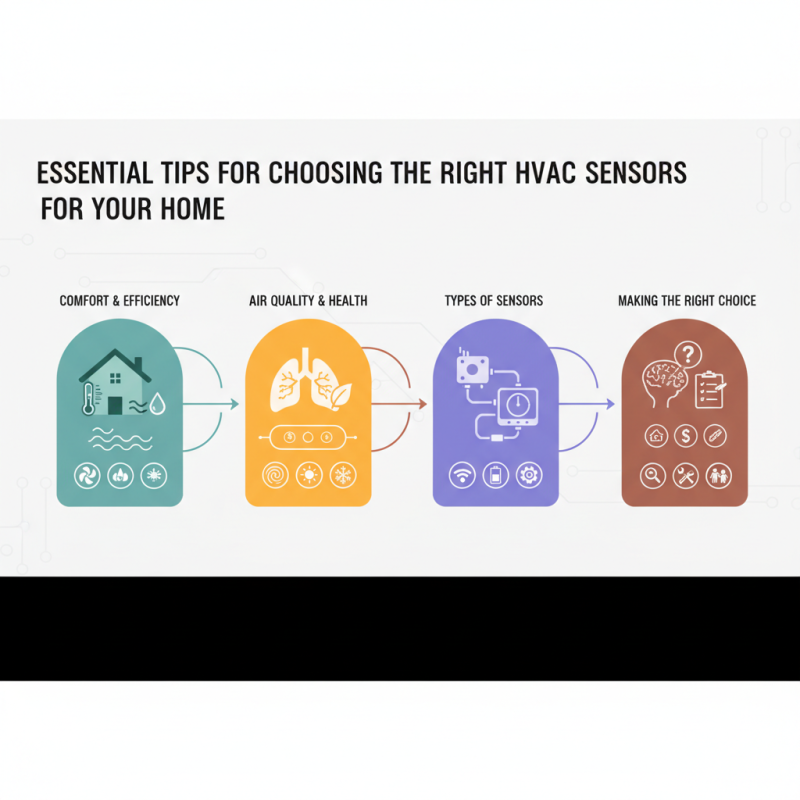
Essential Tips for Choosing the Right HVAC Sensors for Your Home
When it comes to maintaining a comfortable home environment, the importance of choosing the right HVAC sensors cannot be overstated. According to industry expert Dr. Jane Thompson, a renowned HVAC specialist, "The effectiveness of your heating and cooling systems hinges on the quality of the sensors you use." Selecting the appropriate HVAC sensors is crucial not only for optimizing energy efficiency but also for ensuring the overall health of your indoor air quality.
In today's rapidly evolving technology landscape, homeowners face a multitude of options when it comes to HVAC sensors. From temperature and humidity sensors to advanced air quality monitors, understanding the functionality and suitability of each type of sensor can make a significant difference in both comfort and cost savings. To navigate this complex decision-making process, it is essential to be well-informed about the features and capabilities of HVAC sensors available in the market.
This guide will explore vital tips for choosing the right HVAC sensors tailored to your specific needs, helping you create a smarter, more efficient home. By incorporating expert insights and practical advice, you will be empowered to make decisions that enhance the performance of your HVAC system while ensuring a healthier living environment for you and your family.
Understanding the Different Types of HVAC Sensors Available Today
When it comes to maintaining a comfortable home environment, selecting the right
HVAC sensors is crucial. Understanding the different
types of HVAC sensors available can help homeowners make informed decisions that enhance
efficiency and performance. Common types include temperature sensors,
humidity sensors, and occupancy sensors.
Temperature sensors monitor and adjust indoor temperatures, while humidity sensors regulate
moisture levels to prevent mold growth. Occupancy sensors, on the other hand, help optimize
energy usage by detecting whether a room is in use and adjusting the HVAC system accordingly.
Tips:
When choosing HVAC sensors, consider your specific needs. If humidity is an issue
in your area, prioritize humidity sensors to help maintain air quality. Additionally, look
for smart sensors that can integrate with home automation systems for better control over
your environment. It's also essential to ensure that the sensors are compatible with your
existing HVAC system to maximize their effectiveness.
Another important aspect to consider is the sensor's accuracy and
response time. High-quality sensors should provide real-time data and respond
promptly to changes in conditions. This will not only enhance comfort but also improve
energy efficiency. Regular maintenance and calibration of sensors can prolong their lifespan
and ensure they function optimally, contributing to a more comfortable and energy-efficient home.
Key Factors to Consider When Selecting HVAC Sensors for Home Use
When selecting HVAC sensors for home use, several key factors should be considered to ensure optimal performance and efficiency. First and foremost, assess the specific needs of your home. Consider variables such as size, insulation, and the existing HVAC system. Different sensors cater to different environments, so understanding whether you require temperature, humidity, or airflow monitoring is crucial.
Tip: Look for sensors that offer multi-functionality, as this can reduce the number of devices needed while providing comprehensive data. Features like programmable settings and smart technology integration can enhance your HVAC system's efficiency, allowing for better control and customization.
Another important aspect to consider is the sensor's compatibility with current systems. Ensure that the chosen sensors are designed to work seamlessly with your HVAC installation, potentially offering easier installation and better overall performance.
Tip: Conduct thorough research on communication protocols and compatibility, particularly if you are integrating new sensors with existing smart home systems. Opting for sensors with reliable wireless capabilities can simplify this process and improve data transmission.
The Importance of Sensor Accuracy and Responsiveness in HVAC Systems
When selecting HVAC sensors for home systems, two critical factors to consider are accuracy and responsiveness. According to a report by the American Society of Heating, Refrigerating and Air-Conditioning Engineers (ASHRAE), a 1% deviation in sensor accuracy can lead to a 5% increase in energy consumption. This means that choosing sensors with high precision not only ensures optimal performance but also significantly contributes to energy efficiency and operational costs over time.
Responsiveness is equally essential in maintaining a comfortable living environment. A study conducted by the Institute of Electrical and Electronics Engineers (IEEE) highlights that sensors with faster response times can reduce temperature fluctuations by up to 25%, providing a more stable climate within homes. This stability is crucial for both comfort and energy savings, as it allows HVAC systems to adjust more effectively to changing conditions, minimizing unnecessary energy use and enhancing overall system longevity.
Ultimately, investing in high-quality HVAC sensors that prioritize accuracy and responsiveness can lead to substantial benefits for homeowners, both economically and in terms of comfort.
Installation and Maintenance Tips for Optimal HVAC Sensor Performance
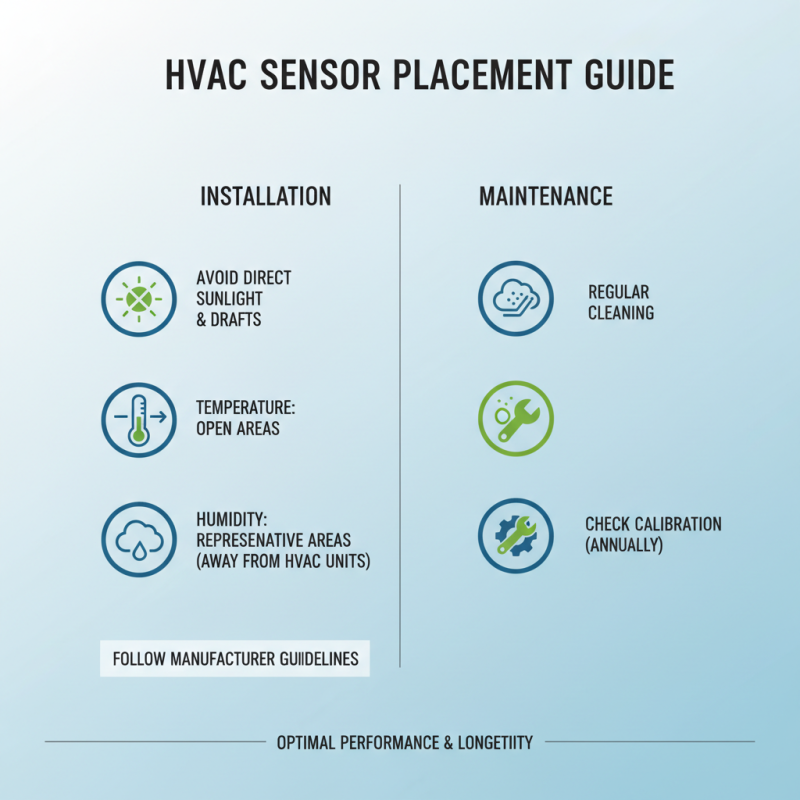
Proper installation and maintenance of HVAC sensors are crucial for ensuring their optimal performance and longevity. When installing sensors, it’s essential to choose locations that accurately reflect the environmental conditions of your home. For temperature sensors, place them away from direct sunlight, drafts, and obstructions to prevent false readings. Similarly, humidity sensors should be positioned in areas that represent the overall humidity levels of your living space, rather than near heated or cooling sources. Following the manufacturer’s guidelines during installation will significantly enhance the reliability and efficiency of the HVAC system.
Regular maintenance is vital for keeping HVAC sensors functioning correctly. This involves periodic cleaning of the sensors to eliminate dust and debris that could interfere with their operation. Additionally, it’s important to routinely check the calibration of the sensors to ensure they provide accurate readings. This can usually be done by comparing them against a known standard. If discrepancies are found, recalibration may be necessary. Incorporating sensor checks into your seasonal HVAC maintenance routine can help identify potential issues early, ensuring that your home remains comfortable and energy-efficient.
Cost Analysis: Budgeting for the Right HVAC Sensors for Your Home
When selecting HVAC sensors for your home, understanding the financial implications is vital. According to a report by the American Society of Heating, Refrigerating and Air-Conditioning Engineers (ASHRAE), optimizing HVAC systems with the right sensors can lead to energy savings of up to 30%. This means that while initial costs for high-quality sensors may be higher, the long-term savings on energy bills can significantly offset these expenses. Homeowners should consider the total cost of ownership, which includes installation, ongoing maintenance, and potential energy savings.
Budgeting for HVAC sensors also requires a clear understanding of the different types and their respective costs. A study published by the U.S. Department of Energy indicates that smart sensors can range from $50 to over $500 depending on the features and capabilities. While lower-cost options may suffice for basic temperature monitoring, investing in advanced sensors with humidity and air quality features can enhance home comfort and efficiency. Set aside a portion of your budget not only for purchase but also for professional installation, which can typically add another 20-30% to the overall sensor cost. By carefully assessing these factors, homeowners can create a budget that aligns with their energy efficiency goals and comfort needs.