
Choosing the right Submersible Pump can feel overwhelming. The global submersible pump market is projected to reach $10.76 billion by 2027, showcasing its critical role in various applications. Industry expert John Smith once noted, "Selecting the right pump is not just about specifications; it’s about understanding your exact needs."
Submersible pumps come in various types, each suited for specific tasks. Factors such as fluid type, depth, and power source are vital when making a choice. For instance, a pump for agricultural irrigation differs vastly from one used in dewatering applications. Users often overlook the importance of these details, leading to underperformance or failure.
Neglecting these considerations can lead to costly repairs and operational inefficiencies. When faced with numerous options, potential buyers should focus on their unique requirements rather than getting swayed by marketing. Remember, a pump that works well for one situation may not suit another. A clear understanding of your needs is necessary for the right selection.
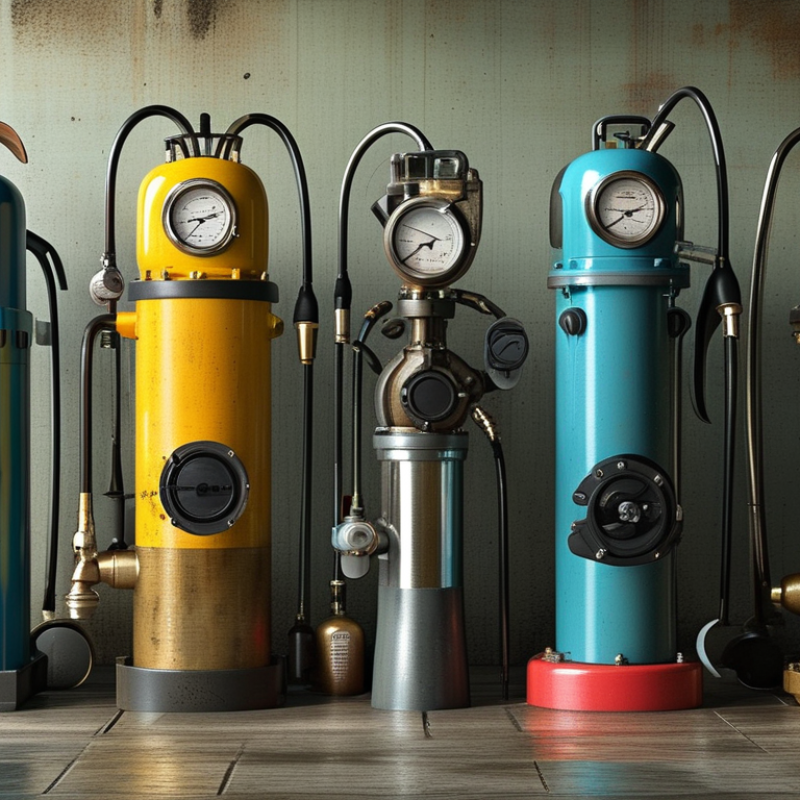
When selecting a submersible pump, several factors are critical. Understanding your specific needs is vital. Start by considering the application—are you pumping water from a well, a pond, or for drainage purposes? The type of fluid is also essential. Some pumps are designed for clean water, while others handle debris-filled liquids.
Pump capacity and flow rate are crucial metrics. Evaluate how much water you need to move and at what speed. It’s helpful to calculate the total dynamic head (TDH). This measurement determines how high the pump has to lift the water. Neglecting TDH can lead to poor performance.
Tips: Check the pump’s materials for durability. Stainless steel options resist corrosion better than plastic ones. Also, make sure to look for energy efficiency ratings. An energy-efficient pump can save you money in the long run.
Keep in mind that pump installation can be tricky. Properly sealing the pump is necessary to avoid leaks. If you're unsure, consulting a professional can help. Be aware that even high-quality pumps can fail if not installed correctly. Always leave room for future adjustments. A little planning now can prevent headaches later.

Submersible pumps come in various types, each suited for specific applications. The most common category is the centrifugal pump. This pump efficiently handles large volumes of water. It propels fluids by converting rotational energy into fluid movement. Centrifugal pumps are often used in irrigation and drainage systems. They excel in situations requiring high flow rates.
Another important type is the sewage pump. These pumps are designed to handle solid waste and wastewater. They are commonly found in residential basements and municipal water treatment plants. Their rugged design allows them to manage debris without clogging. When selecting a sewage pump, consider the size and type of solids it will encounter.
Some applications require more specialized pumps, like borehole pumps. They are designed for deep well applications and are highly efficient in lifting water from significant depths. Borehole pumps can be critical in agricultural settings. Users should reflect on their needs to choose the right type. Improper selection can lead to inefficiencies and higher costs. Evaluating specific requirements is vital for optimal performance.
When selecting a submersible pump, understanding key specifications is vital. Two crucial factors are flow rate and head height. The flow rate indicates how much water a pump can move within a certain time. Typical residential pumps provide flow rates between 1,000 to 5,000 gallons per hour. Selecting the right flow rate is essential for efficiency. If the pump can't handle your requirements, it may lead to inadequate water supply.
Head height refers to the vertical distance a pump can move water. This measurement is critical for applications in deep wells or ponds. Most submersible pumps range from 10 to 50 feet in head height. If you underestimate this specification, the pump may fail to deliver water effectively. According to a recent industry report, approximately 30% of users experience issues due to incorrect head height calculations.
Reviewing the specific needs of your project can prevent problems. You may require higher specifications if dealing with larger distances. The goal is to match pump capabilities with your requirements. Choosing a pump with both the right flow rate and adequate head height will provide you with reliable performance. Always reassess your needs to ensure optimal function.
When choosing a submersible pump, material choices greatly influence both durability and performance. Pumps made from stainless steel resist corrosion, making them ideal for harsh environments. However, their higher cost might challenge budget-limited projects. Plastic pumps are lightweight and economical, yet they may not withstand extreme conditions as well.
The pump's intended use must dictate material choice. For muddy or abrasive water, a robust material is crucial. Some users overlook this and face early pump failures. Moreover, the temperature of the water can affect the materials. PVC may deform when exposed to heat, while metals can endure better.
Users should also consider maintenance. Some materials require more upkeep than others. A pump made of high-grade materials might last longer but may not suit every application. A balanced decision often involves trade-offs. Reflecting on these choices can lead to more effective pump selection and better outcomes.
When choosing a submersible pump, energy efficiency ratings are crucial. These ratings indicate how effectively a pump converts electrical energy into fluid movement. A higher rating often means lower operating costs and reduced environmental impact. Focusing on energy efficiency can lead to significant savings over time.
Tips: Look for pumps with industry-standard energy efficiency labels. Compare different models using their power consumption data. This can help you find a balance between performance and cost.
It's easier to overlook efficiency when analyzing pump specifications. However, a well-rated pump not just saves money but also extends its lifespan. Regularly check your pump’s performance against its efficiency rating to avoid wasted energy.
Tips: Consider the total cost of ownership, not just the purchase price. Sometimes, a more expensive pump pays off through lower energy bills. Don't forget to evaluate your specific needs and application before making a final decision.
| Pump Type | Flow Rate (GPM) | Power Consumption (HP) | Energy Efficiency Rating (EER) | Application |
|---|---|---|---|---|
| Submersible Sewage Pump | 50 | 1.5 | 3.5 | Wastewater Management |
| Submersible Water Pump | 30 | 1.0 | 4.0 | Irrigation |
| Submersible Borehole Pump | 20 | 0.75 | 5.0 | Deep Well Water Supply |
| Multi-Stage Submersible Pump | 40 | 1.25 | 4.5 | Industrial Use |
As a specialist in environmental and flow sensor technology, ScioSense enables companies to use the planet’s resources more sustainably, helping to create a healthier future for all.