How to Choose the Right Power Sensors for Your Energy Management Needs

In an era where energy efficiency is paramount, the selection of the right power sensors has become critical for effective energy management. According to a recent report by the International Energy Agency (IEA), global electricity demand is projected to rise by 3% annually until 2040, emphasizing the urgent need for improved energy management solutions across all sectors. Power sensors play a pivotal role in this transition, enabling businesses to monitor and optimize their energy consumption. With the global market for power sensors expected to reach $5.6 billion by 2026, understanding their capabilities and applications is essential for organizations aiming to reduce operational costs and carbon footprints.

Choosing the appropriate power sensors involves considering factors such as measurement accuracy, response time, and compatibility with existing systems. A study by MarketsandMarkets indicates that the demand for advanced power monitoring solutions is driven by the increasing focus on smart grid technologies and renewable energy integration. As industries strive toward sustainability goals, the implementation of accurate and reliable power sensors can facilitate real-time data analysis, enabling better decision-making regarding energy usage. By understanding the landscape of power sensors, organizations can enhance their energy management strategies and contribute to a more sustainable future.

How to Choose the Right Power Sensors for Your Energy Management Needs

Understanding Power Sensors and Their Importance in Energy Management

Power sensors play a crucial role in effective energy management by providing real-time data on energy consumption and performance. Understanding these sensors' functionalities and their significance can greatly enhance energy efficiency and sustainability efforts. These devices monitor electrical parameters such as voltage, current, and power factor, enabling organizations to gain insights into their energy usage patterns and identify areas for potential savings.

Moreover, power sensors facilitate informed decision-making by allowing users to track energy consumption trends over time. By assessing this data, businesses can implement targeted strategies to reduce waste and optimize their energy use. Additionally, the integration of power sensors with advanced analytics can lead to predictive insights that anticipate usage spikes or equipment failures, further contributing to improved operational efficiency. Understanding the integral role of power sensors is essential for any organization striving to achieve its energy management goals effectively.


Identifying Different Types of Power Sensors Available in the Market

How to Choose the Right Power Sensors for Your Energy Management Needs

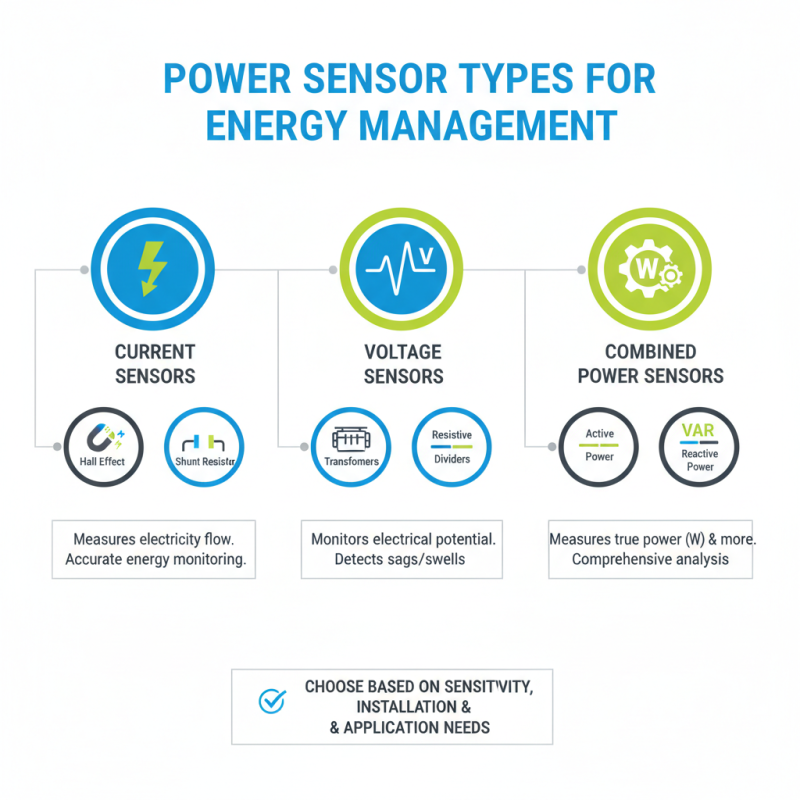
When selecting power sensors for effective energy management, it's crucial to recognize the various types available in the market. Power sensors can be broadly categorized into several types, each serving specific applications and functionalities. For instance, current sensors measure the flow of electricity in a circuit, enabling users to monitor energy usage accurately. These sensors can be based on different technologies, including Hall effect sensors and shunt resistors, providing choices based on sensitivity and installation preferences.

Another significant category is voltage sensors, which are vital for assessing the electrical potential in a system. These sensors help in determining voltage levels, ensuring that equipment operates within safe parameters and alerting users to potential overload conditions. Additionally, there are power quality sensors that assess factors like harmonics, frequency, and other electrical anomalies. Utilizing these sensors is essential for businesses focused on optimizing their energy efficiency, as they provide insights into how power is consumed and highlight areas for improvement. This diverse range of power sensors allows businesses to tailor their energy management strategies effectively.

Assessing Your Energy Management Requirements for Effective Sensor Selection

When assessing your energy management requirements, the first step is to clearly define your goals and objectives. Are you looking to enhance energy efficiency, monitor usage patterns, or integrate renewable energy sources? Understanding your specific needs will help streamline the decision-making process when selecting power sensors. Consider factors such as the scale of your energy management system, the types of energy being monitored, and any regulatory compliance needs you might have.

Furthermore, it is essential to evaluate the environment in which the sensors will be deployed. Different installations may require sensors that can withstand varying levels of temperature, humidity, or exposure to contaminants. Additionally, think about the data handling and analysis capabilities you require. Do you need real-time monitoring, or is periodic data collection sufficient? Establishing these parameters will guide you in identifying the right sensor technologies that align with your energy management strategy while ensuring accuracy and reliability in your energy data collection efforts.

Evaluating Key Features and Specifications of Power Sensors

How to Choose the Right Power Sensors for Your Energy Management Needs

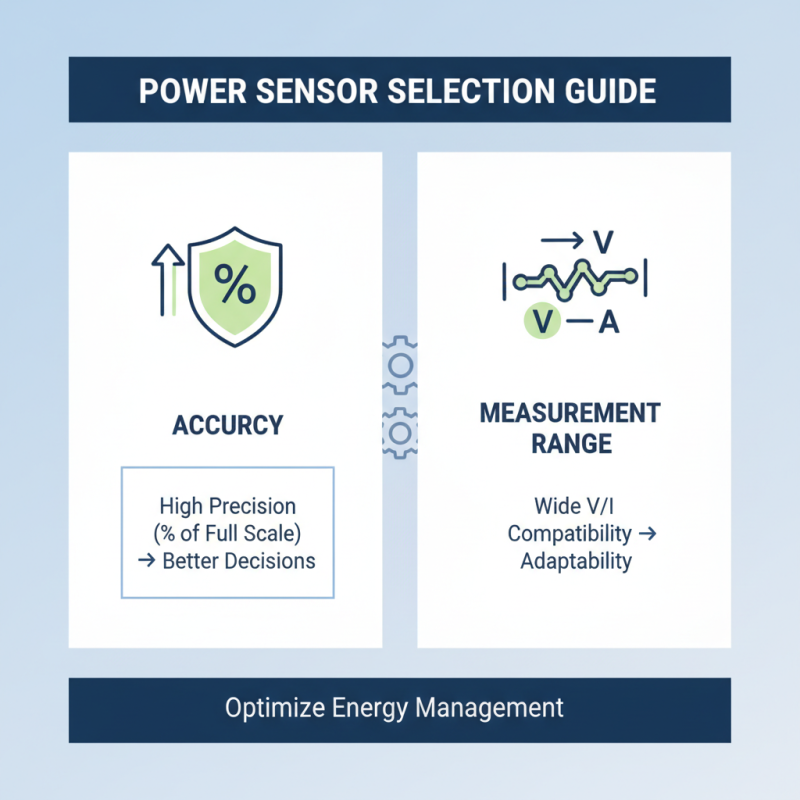
When selecting power sensors for energy management, evaluating key features and specifications is crucial to ensure that the chosen devices align with specific monitoring requirements. One of the primary characteristics to consider is the sensor's accuracy, measured in percent of full scale. High accuracy is essential for precise energy consumption data, enabling better decision-making in energy management practices. Additionally, the measurement range is another critical factor; selecting sensors that can operate effectively across a wide range of voltages and currents ensures adaptability to various applications.

Another important aspect is the communication capabilities of the power sensors. Many modern sensors offer various communication protocols such as Modbus, Ethernet, or wireless options, which facilitate seamless integration with existing energy management systems. Furthermore, features like data logging and real-time monitoring enhance operational efficiency by providing immediate insights into energy usage patterns. It’s also beneficial to consider the physical characteristics of the sensors, such as size and mounting options, to ensure they fit well within the intended installation environment while maximizing access for maintenance and updates.

Tips for Integration and Implementation of Power Sensors in Your System

Integrating power sensors into your energy management system requires careful consideration to ensure optimal performance and accuracy. First, assess the specific needs of your system by identifying the types of data you require, such as voltage, current, and power consumption metrics. This foundation will help you select sensors that are compatible with your existing infrastructure and provide the resolution necessary for precise monitoring. Additionally, consider the types of environments where the sensors will be deployed. Factors like temperature variations, humidity, and potential electrical interference can significantly affect sensor performance.

Once you have selected the appropriate power sensors, the next step is seamless integration. Ensure that the sensors can communicate effectively with your data management systems, whether through wired or wireless connections. Installation should be carried out with attention to detail, following manufacturer guidelines to prevent any misconfigurations. Furthermore, it is crucial to implement a robust data handling protocol that includes calibration and validation processes to enhance accuracy over time. Regular maintenance checks and software updates will also help in sustaining the system’s efficiency and ensuring that you remain informed about any potential issues or enhancements in your energy management approach.