Why Choose the Right Level Sensors for Your Applications?

Choosing the right level sensors for your applications is crucial. These devices measure the level of liquids and solids with accuracy. Using the wrong sensor can lead to inefficiencies and costly mistakes. Each application has unique requirements. Some sensors may work well in one scenario but fail in another.

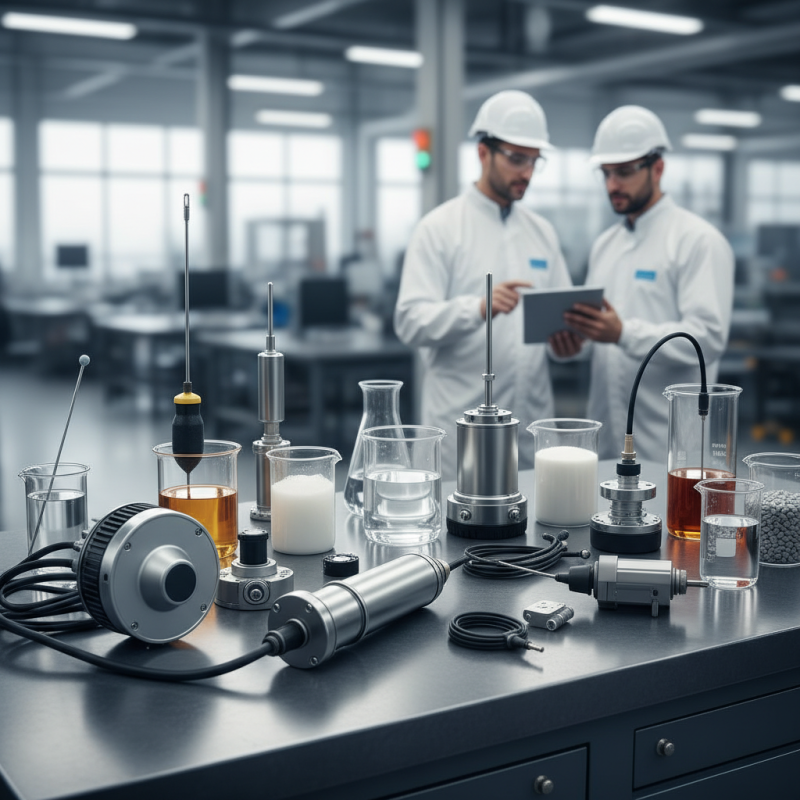
Level sensors come in various types, including ultrasonic, capacitive, and pressure-based. Understanding these options is essential. They are not all created equal. Factors like temperature, pressure, and the substance being measured can affect performance. Some sensors are designed for specific conditions, while others offer versatility.

Selecting a sensor without considering these factors can be problematic. It is essential to consult experienced professionals. Their knowledge can guide you toward making informed choices. Level sensors can improve operations when chosen wisely. Relying on expertise ensures reliability and efficiency in your processes.
Why Choose the Right Level Sensors for Your Applications?

Understanding Level Sensors: Types and Functions

Choosing the right level sensors for your applications is crucial. Understanding the types and functions of these sensors is key to making informed decisions. Level sensors come in various forms, including ultrasonic, capacitive, and radar sensors. Each type serves a specific purpose based on the material and environment they operate in.

Tip: Always consider the medium you will measure. For example, ultrasonic sensors are ideal for water, while capacitive sensors work better with granular materials. This can greatly affect accuracy.

Level sensors monitor material levels in tanks or silos. They provide critical data to prevent overflow or shortages. Misjudging the sensor type can lead to inefficient operations. Sometimes, the environment may hinder sensor effectiveness, leading to false readings.

Tip: Regular maintenance is essential. Sensors may wear out or become less reliable over time. Check their condition periodically. This habit promotes longevity and consistent performance.

Simplicity in design is a great attribute. But, be aware—simple solutions sometimes lack complexity needed for diverse applications. This requires reflection on your operational needs, ensuring the selected sensor aligns with them effectively.

Factors to Consider When Choosing Level Sensors

Choosing the right level sensors is crucial for various applications. When evaluating level sensors, start with the medium type. Different sensors perform uniquely with liquids, solids, or slurries. For instance, capacitive sensors work well with liquids but struggle with bulk solids.

Next, consider the measurement range. Some applications only require a short range, while others need extensive measurement capabilities. An incorrect range can lead to inaccurate readings. Environmental conditions also play a role. High-pressure or corrosive environments might require specialized sensors for durability.

Cost is another significant factor. While investing in quality sensors is essential, the selected sensor must fit within budget constraints. Cheap sensors can lead to frequent failures, resulting in higher long-term costs. Evaluate maintenance needs too. A sensor requiring constant upkeep will add to operational complexity. Balancing these considerations is key to making an informed choice.

Applications of Level Sensors in Various Industries

Level sensors play a crucial role in various industries, including water treatment, food processing, and petrochemicals. Their main function is to monitor liquid levels accurately. For instance, in water treatment facilities, these sensors ensure optimal functioning. Accurate readings prevent overflows and maintain balance.

In the food industry, hygiene and safety are critical. Level sensors help manage ingredients, ensuring consistency in production. They also monitor storage tanks, preventing spoilage and waste. Choosing sensors that comply with food safety standards is essential. Consider environmental factors too. Sensors should withstand the conditions they face.

Tips: Evaluate the sensor's range. Ensure it covers your application needs. Moreover, consider the installation process. Complexity can impact operational efficiency. Finally, assess maintenance needs. Sensors require periodic checks to ensure reliability.

Why Choose the Right Level Sensors for Your Applications? - Applications of Level Sensors in Various Industries

Industry Level Sensor Type Application Benefits
Food and Beverage Capacitive Level Sensors Liquid storage tanks High accuracy and non-contact measurement
Oil and Gas Radar Level Sensors Crude oil storage Reliable measurement in harsh conditions
Water Treatment Ultrasonic Level Sensors Tank level monitoring Non-invasive and accurate readings
Chemicals Hydrostatic Pressure Level Sensors Chemical storage tanks Ability to measure corrosive liquids
Mining Vibrating Fork Level Sensors Bulk material storage High reliability in harsh environments

Benefits of Selecting the Right Level Sensors

Why Choose the Right Level Sensors for Your Applications?

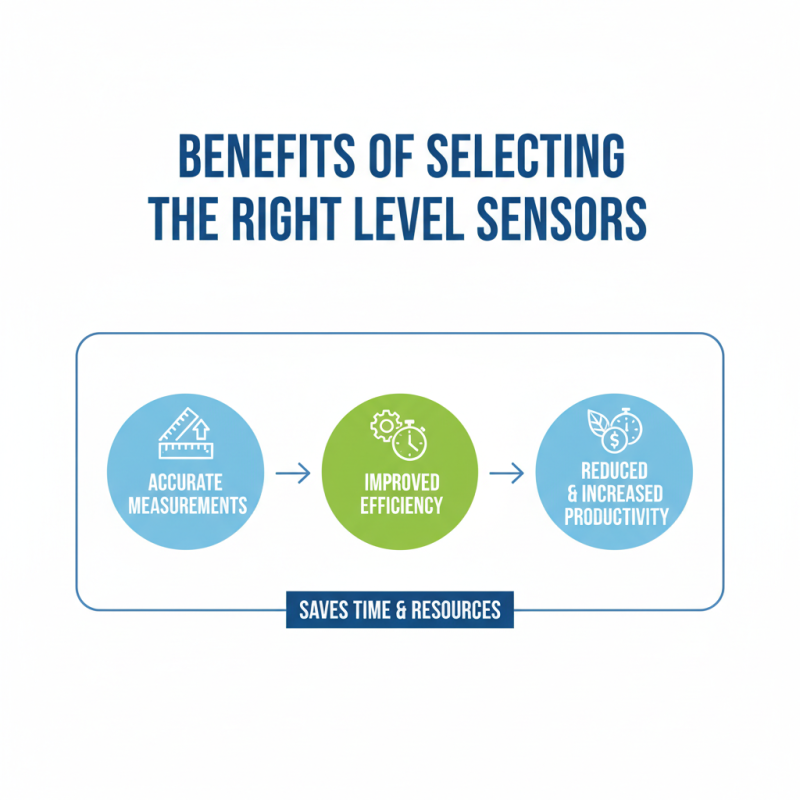
Choosing the right level sensors plays a critical role in various applications. When selecting these sensors, benefits abound. First, accurate measurements improve efficiency in processes. Properly calibrated sensors provide data that ensures optimal performance. This can lead to reduced waste and increased productivity, saving both time and resources.

Additionally, reliability in level sensors enhances safety. Many industries, such as food and chemical, require precise monitoring. A failure in sensor performance could lead to significant hazards. By investing in suitable technology, businesses cultivate safety. This not only protects employees but also minimizes operational downtime.

Furthermore, the right sensors can lead to lower maintenance costs. While some sensors may initially appear cheaper, their performance might falter. This can result in recurrent upkeep expenses. Thus, a wise investment in quality sensors may yield long-term savings. Thoughtfully evaluating technology options can prevent costly mishaps in the future.

Common Challenges in Level Sensing and Solutions

Level sensing is crucial in various industries, from water treatment to chemical processing. However, it comes with challenges that can disrupt operations. For example, inaccurate readings may lead to spills or equipment damage. According to a study by the International Society of Automation, nearly 30% of level measurement failures result from improper sensor selection. These failures create safety hazards and increase operational costs.

Common issues include the effects of temperature changes and process turbulence on sensor performance. In applications involving viscous or corrosive materials, sensors may degrade over time, causing inaccuracies. A report from the Measurement Science Conference highlights that around 25% of maintenance resources are spent resolving level sensor issues. Regular calibration and maintenance are essential yet often overlooked.

Choosing the correct sensor type is critical. Ultrasonic and capacitive sensors have their strengths, but one size does not fit all. A lack of thorough application analysis can lead to poor sensor performance. Investing in the right sensor technology can drastically reduce failure rates and enhance reliability, leading to longer-term cost savings. It’s important to regularly assess the specific needs of your application to avoid these pitfalls.