Choosing the right environmental sensors can be challenging. There are many options available. Each sensor serves different purposes. The market is filled with various sensors, making selection daunting.
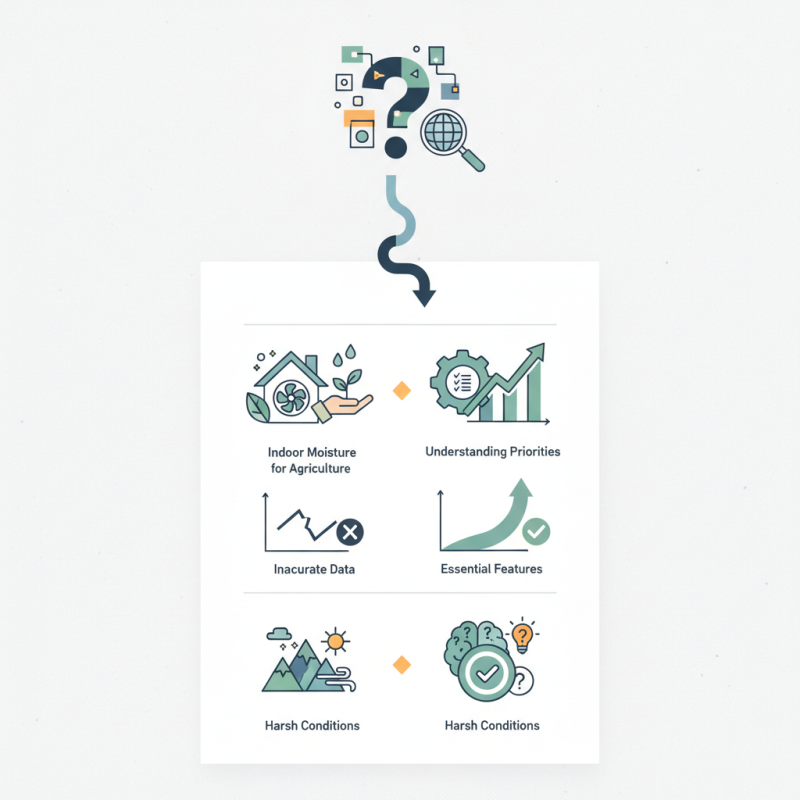
Consider what you need. Are you monitoring indoor air quality? Or perhaps you need to measure soil moisture for agriculture. Understanding your priorities is essential. Not all environmental sensors are created equal. Some may provide inaccurate data. You might overlook essential features if you're not careful.
Take a moment to reflect on your specific requirements. Think about the environment you are working in. Do you need sensors that can withstand harsh conditions? Such details matter in making an informed choice. Your decision should align with your intended use. By carefully evaluating your options, you can select the best environmental sensors for your needs.
When choosing environmental sensors, understanding the types available is essential. Sensors vary widely in function and application. Common types include air quality monitors, temperature sensors, humidity sensors, and light sensors. Each type serves a different purpose, fitting the specific needs of diverse environments.
Tips: Consider your primary goal. Is it monitoring air pollution or managing indoor climate? Knowing this will guide your choice. Pay attention to sensor accuracy. Some sensors may have a margin of error that affects your data quality.
The installation of sensors matters too. Some are portable, while others require permanent fixtures. Make sure you have the right tools and knowledge for setup. Sensor maintenance is also crucial. Regular calibration may be needed to ensure reliable readings.
Tips: Look for sensors with a user-friendly interface. This helps in monitoring and recording data easily. Don't ignore the power sources. Battery-operated sensors may need frequent replacements, while wired options could offer more stability. Reflect on your long-term data needs before making a decision.
When selecting environmental sensors, several key factors require careful consideration. Accuracy is crucial. A sensor that reads wrong data can mislead users. For example, a temperature sensor giving inaccurate readings may cause poor climate control in a green building. Even a small error can lead to significant consequences, making precision a non-negotiable feature.
Another important aspect is compatibility. Ensure the sensor works seamlessly with your existing systems. Sometimes, the right sensor may not be compatible with your software or hardware. This may require additional investments or complicated workarounds. Choose a sensor that complements your framework to avoid technical headaches.
Durability is also a factor. Environmental sensors can be exposed to harsh conditions. An inadequate sensor may fail prematurely, leading to increased maintenance costs. Consider environmental factors like humidity and temperature fluctuations when making your selection. Remember to evaluate all features. Sometimes, additional functionalities may sound appealing but can complicate usage. Aim for a balance between complexity and usability. Finding the right sensor might demand trial and error. Don't hesitate to pause and reflect on your choices.
| Sensor Type | Measurement Parameter | Accuracy | Range | Response Time | Operating Temperature | Applications |
|---|---|---|---|---|---|---|
| Air Quality Sensor | PM2.5, PM10, VOCs | ±5 µg/m³ | 0-500 µg/m³ | ≤ 1 min | -20°C to 50°C | Indoor/Outdoor air quality monitoring |
| Temperature Sensor | Temperature | ±0.5°C | -40°C to 125°C | ≤ 0.5 sec | -40°C to 125°C | HVAC, weather stations |
| Humidity Sensor | Relative Humidity | ±3% RH | 0-100% RH | ≤ 2 sec | -40°C to 85°C | Greenhouses, laboratories |
| Soil Moisture Sensor | Soil Moisture | ±2% | 0-100% | ≤ 1 sec | -10°C to 60°C | Agriculture, landscaping |
| Water Quality Sensor | pH, turbidity, dissolved oxygen | ±0.1 pH | 6.5-9.0 pH | ≤ 30 sec | 0°C to 50°C | Aquaculture, environmental monitoring |
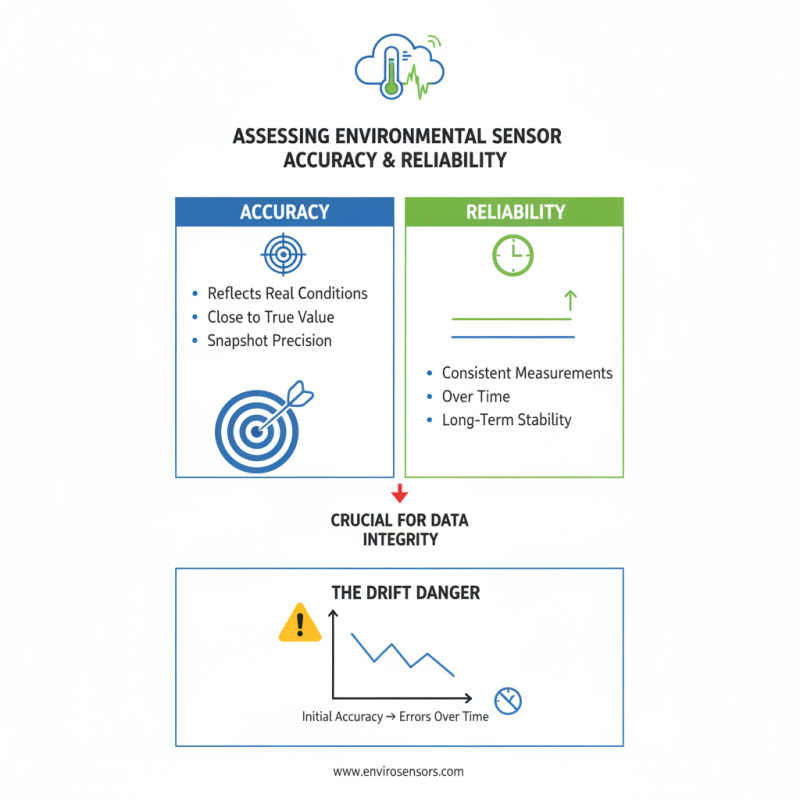
When selecting environmental sensors, assessing accuracy and reliability is crucial. Accurate readings help ensure that data reflects real conditions. Reliable sensors consistently provide correct measurements over time. Some sensors may demonstrate excellent accuracy initially but drift over time. This drift can lead to significant data errors.
Calibration is an important factor in maintaining performance. Regular calibration can help ensure that sensors function properly. However, frequent calibration might not be practical for all users. Understanding the sensor’s calibration frequency and options is vital. Another aspect to consider is the sensor's sensitivity to environmental factors. For example, humidity or temperature fluctuations can affect readings.
User reviews often provide insights into the reliability of different sensors. However, not all reviews offer detailed accounts. Some might exaggerate or overlook specific issues, leading to confusion. It’s essential to seek out diverse perspectives. In exploring various sensors, weighing their performance in real-world applications may yield better insights than simply relying on specifications.
When selecting environmental sensors, budget considerations are crucial. High-quality sensors can be expensive. However, cheaper options may lack essential features. It's important to evaluate your specific needs before making a purchase. A detailed cost analysis can help you screen the most suitable options.
Consider long-term costs, not just initial prices. Sensors require maintenance and calibration, which adds to overall expenses. Some devices offer more frequent updates, which could be worth the investment. Factor in how often you will use the data collected. Frequent use justifies higher upfront costs.
Examine the trade-off between quality and budget. Some sensors could be misleading with their data if they're not precise. Inaccurate data might lead to poor environmental decisions. Investing in a reliable sensor could save money in the long run. It's vital to review user feedback. This could direct you toward smarter investments and reduce regret post-purchase.
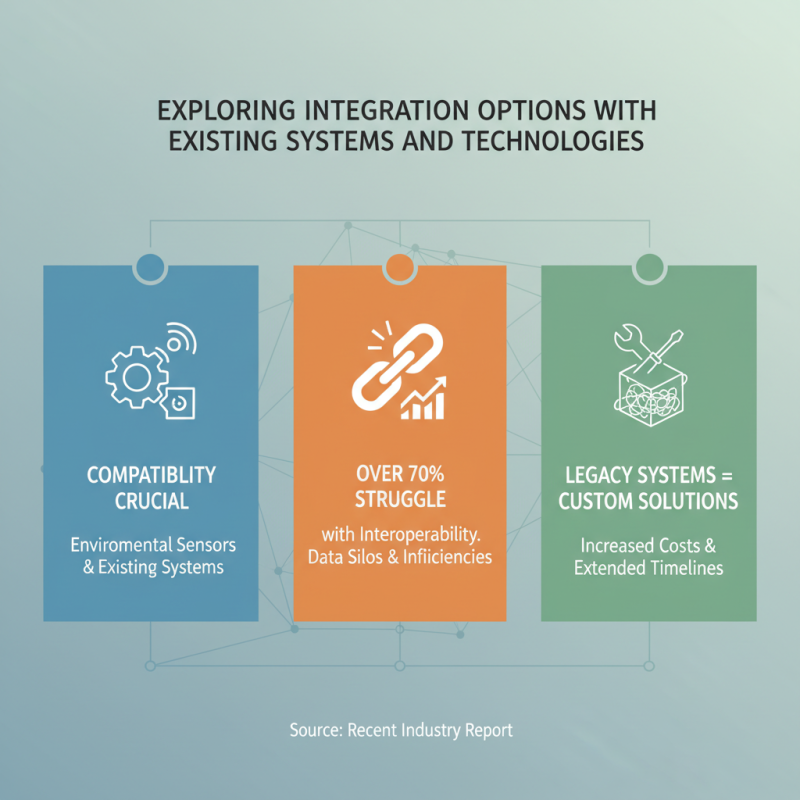
When integrating environmental sensors with existing systems, compatibility is crucial. A recent industry report indicates that over 70% of organizations struggle with interoperability among different devices. This can lead to data silos and inefficiencies. Adapting new sensors to legacy systems often requires customized solutions. This can increase costs and extend timelines unexpectedly.
It's essential to evaluate your current infrastructure before choosing sensors. Identify protocols and data formats already in use. Many organizations overlook this step, which can derail projects. Diverse sensors may enhance data collection. However, they must communicate seamlessly. The integration process can be complex, revealing hidden challenges.
Consideration should also be given to data management platforms. An estimated 65% of firms report difficulties in consolidating data from multiple sources. Without proper integration, the value of sensor data diminishes. Robust data architecture enables real-time insights, improving operational efficiency. Regular assessments of integration strategies can reveal gaps and areas for improvement, guiding future decisions.
As a specialist in environmental and flow sensor technology, ScioSense enables companies to use the planet’s resources more sustainably, helping to create a healthier future for all.