How to Choose the Best Sound Bowl Instrument for Your Business
Choosing the right Sound Bowl Instrument for your business involves more than selecting a bowl with a pleasing tone. It should suit the people who will use it, the space where it will be played, and the work your business offers. A bowl that sounds warm in a quiet studio may feel too soft in a busy shop. Room size matters. So does how easily staff can handle and care for the instrument.
Consider material, size, playing style, and sound consistency before comparing prices. Ask whether the bowl is handmade or produced to a standard specification, and request clear details about its dimensions and care. These facts help you compare options more reliably than appearance alone. A polished finish may catch a customer’s eye, but it cannot tell you how the bowl will sound in your room. Listen to samples, and, when possible, test the bowl in person. Small differences can be noticeable.
This guide explores how to match a bowl to your setting, assess supplier information, and plan for practical needs such as storage and staff use. It also considers budget and customer expectations without assuming that the most expensive option is the best. One detail is easy to overlook: a bowl that suits an owner may not suit every session or customer. There is no perfect bowl. A thoughtful choice balances sound, durability, usability, and the experience you want your business to provide. You may need to revise your shortlist after hearing each option in the actual space.
Understanding Sound Bowl Instruments and Their Business Uses
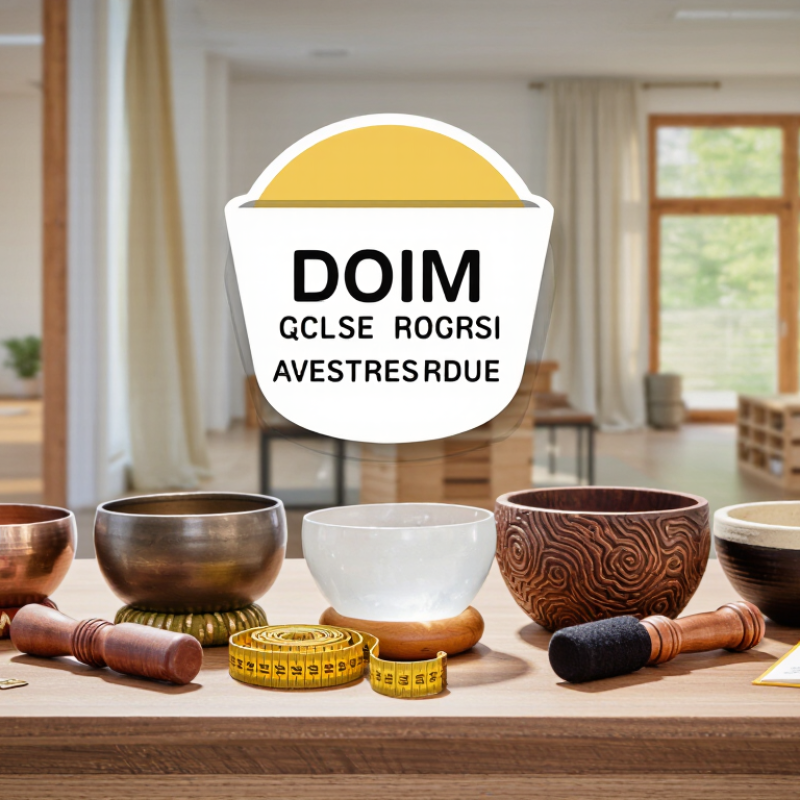
A sound bowl is a vessel that produces a sustained tone when gently struck or circled with a mallet. Its sound depends on its size, shape, material, and playing technique. For a business, the right instrument should fit the setting as well as the sound you want. A small studio may need a clear tone that carries across a quiet room, while a busy reception area may call for a softer sound that does not compete with conversation.
Think about how staff will use and care for the bowl. A smooth rim can be easier to circle consistently, and a stable base helps prevent wobbling on a table. Test several instruments in the actual room if possible; a tone that seems warm in a shop can feel sharp in a tiled space. Listen from different seats. Keep it simple. Consider the mallet, storage, and whether the bowl is sturdy enough for frequent handling. Ask suppliers about materials and care instructions, and check that the instrument arrives without cracks or uneven edges. Sound bowls can support a calming atmosphere in studios, spas, or hospitality spaces, but they should not be presented as medical treatment. Preferences vary, and even a well-chosen bowl may not suit every client or room.
Identifying Your Business Goals and Customer Needs
Before choosing a sound bowl, define the role it will play in your business. A yoga studio may need a clear, sustained tone that carries across a busy room. A boutique spa may value a compact bowl that fits neatly beside a treatment table. For workshops, durability and easy transport may matter more than decorative detail. Ask customers what they want: a calming closing ritual, a hands-on experience, or an attractive retail item. Their answers can change your shortlist.
The Global Wellness Institute’s 2024 Global Wellness Economy Monitor valued the sector at $6.3 trillion in 2023. It projected growth to $9 trillion by 2028. This is broad wellness spending, not proof of sound bowl demand. Use it as context, not a sales forecast. Your own customer feedback is more useful. Try a few bowls in the actual room, then note how their tones carry over ventilation, conversation, and soft furnishings. Small differences matter.
Check the practical details, too. Can staff produce a steady sound without extensive training? Does the bowl come with a suitable striker and clear care instructions? Invite a small group to test it, and ask specific questions about volume, tone, and comfort. Avoid promising health outcomes; describe the experience instead. I’d be cautious about buying a large set before testing one. That can be an expensive guess. A simple trial log may feel tedious, but it helps separate personal preference from what customers actually choose.
Evaluating Quality, Suppliers, and Total Cost
A sound bowl should be assessed as a working instrument, not just a pleasing object. Compare several samples at the same volume and in the same room. Listen for a clear tone, stable sustain, and unwanted rattling. Feel the difference. Check each bowl for finish defects, consistent dimensions, and safe, comfortable handling. Ask suppliers how they control variation between production batches, and request written specifications, sample approval, and details of packaging and replacement policies. A beautiful sample means little if the next shipment sounds different.
Supplier claims also need context. The Global Wellness Institute’s 2024 Global Wellness Economy Monitor valued the wellness economy at $6.3 trillion in 2023 and projected $9 trillion by 2028. This broad market figure is not a forecast for sound bowls, but it signals why wellness businesses should scrutinize sourcing as demand grows. Ask where materials come from, how quality is checked, and how long replenishment takes. Keep answers in writing. Vague promises are hard to budget around.
Compare total cost per usable bowl, not just the quoted unit price. Include freight, duties where applicable, protective storage, breakage allowances, staff time for inspection, and likely replacement costs. Request a small trial order before committing to a large one; test bowls in the actual room, where echoes can change how they sound. Costs hide there. A simple spreadsheet helps, though estimates for damage and returns may still be imperfect. Revisit them after the first few months.
How to Choose the Best Sound Bowl Instrument for Your Business - Evaluating Quality, Suppliers, and Total Cost
Compare common sound bowl options against your intended use, quality requirements, supplier checks, and estimated purchasing costs.
| Instrument Type | Typical Construction | Useful For | Quality Checks | Indicative Unit Budget (USD) | Main Buying Consideration |
| Hand-hammered metal bowl | Metal alloy shaped and finished by hand; appearance, wall thickness, and finish can vary between pieces. | Practitioner sessions, studios, and customers seeking a traditional metal bowl. | Inspect for stable construction, clean edges, visible cracks, consistent finish, and a clear, sustained tone when played with the intended mallet. | $25–$150 per bowl | Request sound samples for the actual size and model. Hand finishing does not guarantee a particular pitch or sound quality. |
| Machine-finished metal bowl | Metal bowl produced or finished with greater use of machinery, which can support more consistent dimensions and appearance. | Retail assortments, introductory sets, and repeat orders where product consistency matters. | Compare dimensions, weight, finish, and sound across several units from the same batch; check that each bowl plays reliably with the supplied mallet. | $10–$60 per bowl | Confirm whether the quoted price includes a cushion, mallet, protective packaging, and any product testing. |
| Fused-quartz crystal bowl | Formed from quartz material and typically designed to be played with a compatible rubber or suede-covered mallet. | Sound studios, wellness spaces, and businesses that want bowls with a clear visual presentation. | Check for chips, cracks, stable placement, consistent dimensions, and a clear sample recording. Confirm the packaging protects the rim and bowl body. | $30–$250 per bowl | Fragility and shipping protection can significantly affect the delivered cost. Check whether the bowl is sold individually or as part of a set. |
| Multi-bowl set | A matched group of metal or crystal bowls sold together, sometimes with mallets, cushions, or a carrying case. | Group sessions, demonstrations, and retailers needing a coordinated assortment. | Test every bowl individually; verify the inventory list, accessory count, case fit, and replacement availability. | $150–$1,200+ per set | Ask for the exact set contents and individual bowl specifications rather than relying only on a set description. |
Cost note: The unit budgets above are broad planning estimates, not supplier quotations or guaranteed market prices. Actual prices vary with material, size, workmanship, order quantity, accessories, destination, and shipping terms. Request current written quotes before purchasing.
| Evaluation Area | What to Request or Verify | Practical Acceptance Check |
| Product specifications | Material description, dimensions, weight range, included accessories, care instructions, and country of origin where applicable. | Specifications on the pro forma invoice or product sheet match the sample and purchase order. |
| Sound consistency | Unedited audio or video samples, recorded with the intended playing technique; for sets, samples of each bowl. | Listen for unwanted rattling, buzzing, or inconsistent response. Sound is partly subjective, so evaluate samples against your business use. |
| Supplier reliability | Business registration details, verifiable contact information, references where available, lead time, payment terms, and a written returns or defect policy. | Order a sample or small trial batch before committing to a larger purchase; keep agreed specifications in writing. |
| Packaging and damage handling | Packaging method, protection for rims and edges, shipping insurance options, and the process for reporting transit damage. | Confirm packaging requirements and photograph the shipment on arrival before discarding protective materials. |
| Repeat-order consistency | Batch variation policy, availability of the same model, and whether replacement units can be sourced later. | Retain a reference sample and record the model, measurements, and sound characteristics of approved stock. |
| Total Cost of Ownership: Small-Batch Example |
| Cost Component | Illustrative Calculation | Example Amount (USD) | How to Improve the Estimate |
| Products | 12 metal bowls × $35 each | $420 | Use the supplier’s written unit quote and confirm whether accessories are included. |
| Protective accessories | 12 cushions × $5 each | $60 | Check compatibility and whether accessories are already included in the product price. |
| Shipping and insurance | Illustrative shipment allowance | $100 | Obtain a destination-specific shipping quote and confirm insurance coverage and shipping terms. |
| Import duties and taxes | Not included in this example | Varies | Check the applicable product classification, destination rules, and tax treatment with a customs professional or relevant authority. |
| Inspection, payment, and handling | Illustrative allowance | $40 | Include payment-processing charges, inspection costs, and any local handling fees that apply. |
| Illustrative landed total before duties and taxes | $420 + $60 + $100 + $40 | $620 | At 12 bowls, the example works out to approximately $51.67 per bowl before duties and taxes. |
Example assumptions: The cost breakdown is a calculation for illustration, not a current market quote. Replace each input with supplier, freight, payment, and import figures for your order. The best choice is the bowl that meets your sound and durability requirements at a verified, fully delivered cost.
Matching the Instrument to Your Space and Services
A sound bowl should fit the room, not just look appealing on a shelf. In a small treatment room, a compact bowl may create a clear tone without overwhelming conversation. Large bowls can carry well in open studios, but hard walls may stretch the sound into a long, muddy ring. Test the bowl where you plan to use it. Listen from the client’s mat, not only from beside the instrument.
Match the bowl’s tone and volume to your services. For guided relaxation, a gentle, sustained note can mark transitions without startling clients. Group sessions may need a stronger tone that reaches the back row. If you offer one-to-one work, ask clients about sound sensitivity and begin softly. Small changes matter. A tone that feels calming to one person may feel sharp to another.
Consider practical details, too. Check whether the bowl sits steadily on your usual surface and whether its mallet is comfortable to hold. Leave enough space to play without reaching over a client. I have found room acoustics can surprise you; a bowl that sounds warm at home may ring harshly in a tiled studio. That is worth admitting. Try a short session before making it part of your regular service, and notice how the sound behaves at different volumes.
Choosing a Sound Bowl for Your Space and Services
Suggested starting diameters are approximate planning ranges, shown as their midpoints. Smaller bowls can suit close, quiet sessions; larger bowls may be useful in group settings. Bowl size alone does not determine volume or sustain, so audition instruments in your actual room before purchasing.


