
Choosing the right Hydraulic Pressure Control Valve is crucial for any hydraulic system. This component regulates pressure, ensuring safety and performance. With various options available, it can be overwhelming to find the best fit for specific needs.
Understanding the specifics of each valve is key. Factors like flow rate, maximum pressure, and application type must be considered. A valve that works for one project may not be suitable for another. Small details can make a significant difference in efficiency and safety.
It's essential to rely on expertise when selecting a Hydraulic Pressure Control Valve. Not every product on the market meets high standards. So take time to research and consult professionals. The right choice can enhance your system’s reliability and longevity.
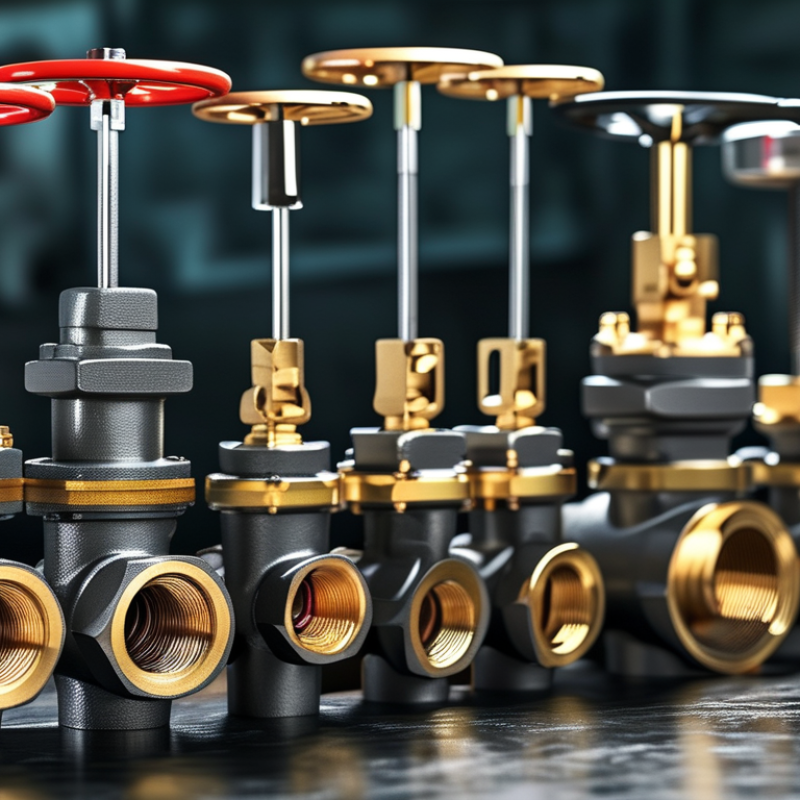
Hydraulic pressure control valves play a crucial role in hydraulic systems. They regulate the pressure and flow of hydraulic fluid to ensure safe and efficient operation. Understanding their functions is essential for selecting the right valve for your specific needs.
These valves can vary in design and functionality. Some control pressure through direct mechanical action, while others use electronic controls. A key detail is their ability to handle pressure spikes. This feature prevents damage to the system, enhancing reliability. It's important to consider the application when choosing a valve; not all valves suit every hydraulic system.
Sometimes, users may overlook maintenance, leading to failures. A valve's performance can degrade over time without proper care. Regular inspections and adjustments are necessary to ensure optimal functioning. This reflection on usage and care helps in making informed decisions. Reliable operation of hydraulic systems often hinges on the right pressure control valve.
| Valve Type | Pressure Range (psi) | Flow Rate (GPM) | Material | Temperature Range (°F) | Application |
|---|---|---|---|---|---|
| Pilot-Operated Valve | 1000 - 5000 | 10 - 100 | Cast Steel | -30 to 200 | Industrial Machinery |
| Direct-Acting Valve | 500 - 3000 | 1 - 10 | Aluminum | -20 to 180 | Mobile Equipment |
| Relief Valve | 1500 - 4000 | 5 - 50 | Stainless Steel | -50 to 250 | Safety Systems |
| Pressure Reducing Valve | 250 - 2000 | 3 - 30 | Bronze | 0 to 150 | Hydraulic Systems |
| Sequence Valve | 1000 - 3000 | 2 - 20 | Plastic | -10 to 120 | Automated Processes |

Selecting the right hydraulic pressure control valve is crucial for optimizing your hydraulic systems. Key factors to consider include pressure ratings, flow rates, and response times. A study by the International Fluid Power Society indicates that nearly 30% of operational failures in hydraulic systems are linked to improper valve selection.
Pressure rating is paramount. It must match your system's operational limits. A mismatch can lead to valve failure or system downtime. Flow rate determines the efficiency of the system. It should align with the application requirements to prevent performance issues.
Tip: Always evaluate the specific demands of your project when assessing flow rates. For instance, low flow rates can result in hydraulic fluid overheating and increased wear.
Response time plays a role in system performance. A quick response valve can enhance the responsiveness of machinery. Many engineers undervalue this factor, leading to sluggish operations.
Tip: When in doubt, consult with a hydraulic expert. Collaborating can provide insights into nuances that a general specification may overlook.
Hydraulic pressure control valves are crucial in various applications. They help regulate fluid pressure and flow, ensuring optimal performance in hydraulic systems. Key types include pressure relief valves, pressure reducing valves, and sequence valves. Each type serves unique functions that can cater to specific strategic needs.
Pressure relief valves are designed to prevent system overload. They release excess pressure, protecting components from damage. Studies indicate that improperly functioning relief valves can increase risk by 35%. Similarly, pressure reducing valves lower pressure to downstream systems, allowing for safe operation. They are often used in mobile machinery and industrial equipment.
Tips: Regular maintenance of these valves is essential. Regular inspections can prevent failures and extend system life. Pay attention to both the inlet and outlet pressures.
Honestly, selecting the right valve isn’t easy. Some users may struggle with understanding specifications. A mismatch can lead to operational inefficiencies. It’s important to consult reliable resources or professionals. Understanding system dynamics will help in making informed choices.
When selecting a hydraulic pressure control valve, evaluating performance metrics is crucial. Key metrics include response time, flow capacity, and pressure range. An optimal valve should react swiftly to pressure fluctuations. Slow response times can lead to inefficiencies and potential system failures. Hence, understanding how these valves respond under different conditions is essential.
Flow capacity also plays a vital role. It determines how much fluid the valve can handle. Insufficient capacity may cause bottlenecks. On the other hand, excessive capacity could lead to overshoot issues. Balancing these factors is necessary for maintaining system stability.
Pressure range is another critical factor. Valves must withstand varying pressures without compromising performance. This often requires rigorous testing under real-world conditions. It is essential to review any available data on tested performance. A thorough examination can reveal potential shortcomings. Users may face challenges with settings and calibrations. Reflecting on these metrics will guide you in making informed decisions tailored to your specific needs.
Hydraulic pressure control valves are essential in many industrial applications. Proper maintenance is crucial for optimal performance. According to industry reports, nearly 30% of hydraulic system failures are linked to valve malfunction. Regular checks can significantly reduce service disruptions.
Troubleshooting these valves often begins with visual inspections. Look for signs of leakage or wear. Many operators overlook simple indicators like unusual noises or vibrations. These can signal underlying problems that require immediate attention. Expert recommendations suggest calibrating valves at least once a year. This ensures accurate pressure settings and prevents costly breakdowns.
In real-world scenarios, operators often underestimate the complexity of valve systems. A small issue can escalate rapidly. Studies show that proactive maintenance can lower operational costs by up to 25%. Moreover, training staff on valve operations can prevent significant mishaps. Understanding common failure points is key to maintaining efficiency in hydraulic systems.
As a specialist in environmental and flow sensor technology, ScioSense enables companies to use the planet’s resources more sustainably, helping to create a healthier future for all.