What Are the Best China Rackmount PCs for Global Buyers?
Choosing the best China Rackmount Pcs requires more than comparing processor names and advertised prices. Global buyers need evidence from real operating conditions. A compact 1U chassis may look efficient, yet its small fans can become surprisingly loud in a warm server room. A 2U system may offer better airflow, expansion space, and easier maintenance. These physical details matter.
Jason Waxman, former Intel vice president, once said, “The data center is the computer.” His point remains useful for rack-scale decisions. A Rackmount Pcs purchase should be judged as part of a complete infrastructure, not as an isolated box. Buyers should examine CPU performance, ECC memory, storage endurance, redundant power supplies, remote management, rail compatibility, and long-term firmware support. Thermal testing, burn-in reports, and clear warranty terms also deserve attention.
China has capable manufacturers and experienced system integrators. However, quality can vary between factories, models, and production batches. That is an uncomfortable reality. A polished product page is not enough. Ask for serialised test records, component brands, compliance documentation, sample units, and references from similar deployments. Confirm whether the supplier provides local service or only remote assistance.
This guide compares practical options for international buyers. It considers performance, reliability, noise, serviceability, shipping protection, and total ownership cost. Some conclusions may remain imperfect because workloads differ. A database host, edge gateway, and video-processing node need different designs. The best choice is not always the cheapest one. It is the system that performs predictably after installation, during maintenance, and under pressure.
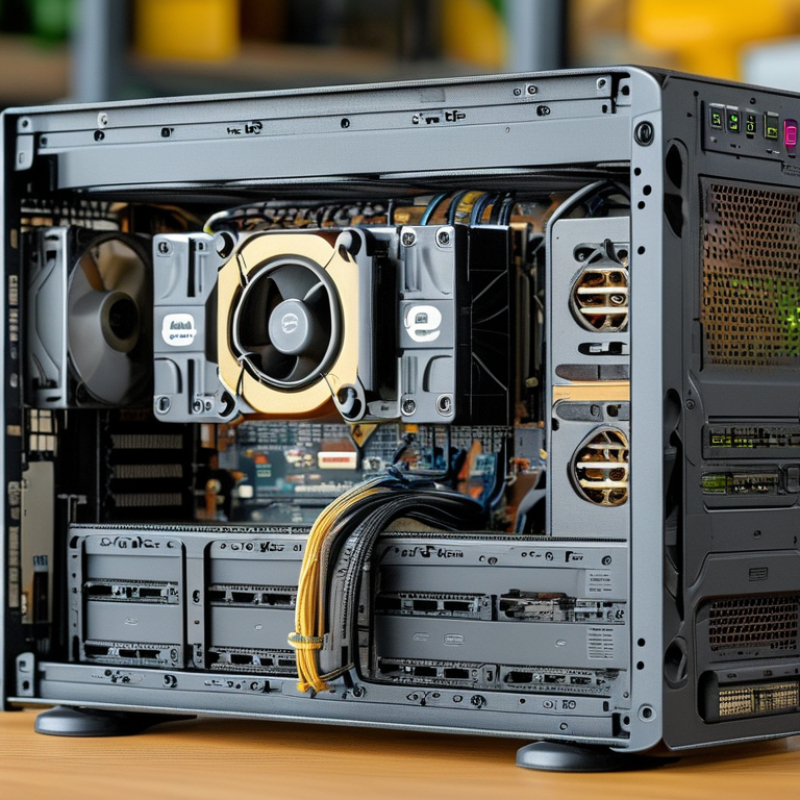
What Defines a China Rackmount PC for Global Buyers?
A China rackmount PC for global buyers is defined by more than its country of origin. It must combine stable computing performance, clear documentation, and predictable support. A suitable system should fit standard 19-inch racks, use accessible components, and offer practical cooling for long operating hours. Short-depth chassis options can also help in crowded server rooms.
Global buyers should examine processor choices, memory expansion, storage interfaces, and power input ranges. Dual power supplies may reduce downtime in critical installations. Fan noise matters in offices, laboratories, and control rooms. It is often overlooked. Ask for thermal test data, operating temperature limits, and a burn-in report before placing a large order. Compliance documents, including applicable safety and electromagnetic standards, should match the destination market.
Reliable sourcing depends on more than a polished product page. Buyers need serial-number tracking, inspection photos, detailed packing lists, and spare-part availability. A written warranty should explain response times and repair responsibilities. Remote troubleshooting is useful, but it cannot replace local procedures for urgent failures. One common mistake is judging value only by the purchase price. Freight, import duties, replacement drives, and delayed technical replies can change the real cost. Even experienced teams may miss this when specifications appear complete. A careful evaluation should include sample testing, firmware checks, rack installation, and several days of continuous operation.
Which Rackmount PC Features Matter Most for Different Applications?
For global buyers, the best China rackmount PCs are not defined by processor speed alone. The right features depend on workload, site conditions, and service expectations.
A factory controller may need a compact 1U chassis, isolated I/O, and stable operation near motors.
A video analytics server needs a stronger GPU, fast memory, and adequate airflow.
Medical imaging demands predictable performance, quiet cooling, and documented component traceability.
These choices come from deployment experience. A powerful system can still fail when cables, heat, or maintenance access are overlooked.
For network security or telecom cabinets, multiple LAN ports, hardware time synchronization, and redundant power may matter more than maximum CPU performance.
Storage-heavy applications benefit from hot-swappable drives, RAID support, and clear alerts before disk failure.
In dusty workshops, filtered airflow and a wide operating-temperature range deserve close attention.
Remote monitoring can reduce unnecessary site visits across several countries.
Check voltage input, rack depth, connector types, and local certification requirements before ordering. Specifications can look impressive. Compatibility is less forgiving.
Tips: Match each feature to a measurable task, such as camera streams per second or database response time.
Request thermal test results, long-run burn-in records, and a parts replacement plan.
Ask about BIOS control and remote recovery.
Leave expansion space.
Many buyers choose too little storage or cooling margin.
I have made that mistake; later upgrades cost more than early planning.
Yet oversized hardware wastes power, so balance still matters.
What Standards, Certifications, and Compatibility Should Buyers Check?
For global buyers, a China rackmount PC should be checked against destination-market rules, not only a factory test sheet. IEC 62368-1 covers safety for information technology equipment, while IEC 61000 standards address electromagnetic compatibility. CE marking may be required for European sales; FCC requirements commonly apply in the United States. RoHS and REACH declarations also matter for restricted substances. A certificate number without a matching model, voltage range, and test report is not enough. I have seen specifications look complete, yet omit the power-supply revision.
Compatibility needs equal attention. Confirm 19-inch rack dimensions, chassis depth, rail spacing, airflow direction, and operating temperature. Check 100–240V, 50/60Hz input support, plug type, and power redundancy. Then verify processor architecture, memory limits, ECC support, PCIe generation, storage interfaces, TPM 2.0, operating-system drivers, and remote-management protocols. A server may boot correctly but still fail with a local monitoring tool. Uptime Institute’s 2024 Global Data Center Survey reported that 53% of respondents experienced an outage during the previous three years. Small compatibility gaps can become expensive downtime.
Tips: Request the full Declaration of Conformity, EMC and safety reports, material declarations, BIOS version, and burn-in records. Ask for samples tested with your rack, rails, UPS, and operating system. Confirm firmware-update support in writing. Independent laboratory verification is stronger than a seller’s translated certificate. Buyers should also recheck regional requirements, because compliance documents and product revisions can drift apart.
How to Evaluate Pricing, Customization, Shipping, and After-Sales Support?
What Are the Best China Rackmount PCs for Global Buyers?
Global buyers should evaluate more than the advertised unit price. In procurement reviews, I compare the full landed cost, including packaging, freight, duties, and warranty handling. Ask for a detailed quotation with processor, memory, storage, operating system, and test requirements listed clearly. A low price can hide shorter warranties or unavailable components. Payment terms matter too, especially for small orders.
Customization should match the workload, not just the chassis. Confirm rack height, depth, cooling design, expansion slots, power input, and remote management features. Request drawings and a sample configuration before approving volume production. I once focused too heavily on specifications and overlooked cable clearance. That mistake complicated installation. Practical details matter.
Tips: Check shipping terms, delivery estimates, export documents, and protective packaging. Ask whether the supplier supports pre-shipment inspection and provides tracking details. After-sales support should include a written response time, remote troubleshooting, replacement-part availability, and a clear RMA process. Test one system under load before ordering many units. Keep records. Also ask how firmware updates and discontinued parts are handled. Support promises sound reassuring, but measurable service conditions are more reliable.
What Are the Best China Rackmount PCs for Global Buyers?
This suggested evaluation model gives the greatest weight to total purchase value, while customization, after-sales support, and shipping reliability remain essential for international buyers. Buyers can adjust these percentages according to deployment scale, technical requirements, destination, and service expectations.