10 Best Automotive Sensors Suppliers for Global Buyers
Automotive sensors help vehicles interpret the physical world, from wheel speed and temperature to pressure, position, and distance. Their readings inform functions such as engine control, braking, driver assistance, and battery monitoring. A sensor may be small, but its operating conditions are not: heat, vibration, moisture, electrical noise, and long service cycles can all affect performance. Details matter.
For global buyers, choosing a supplier involves more than comparing product specifications. Teams often assess measurement accuracy, testing documentation, production capacity, quality controls, customization options, and support across regions. They may also need to confirm how a sensor integrates with existing systems and whether samples can be validated under realistic operating conditions. One detail can change the decision: a suitable part on paper may be difficult to qualify or source consistently.
This guide introduces 10 automotive sensors suppliers for buyers evaluating options across markets. It considers their product focus, industry experience, and potential fit for different sourcing needs, while recognizing that capabilities and availability can vary by location and application. No supplier is perfect. A global footprint does not guarantee the best local support, and a broad catalog does not always mean the closest technical fit. Use the overview as a starting point, then verify current specifications, certifications, lead times, and regional service directly with each supplier. The right choice depends on the vehicle program, validation requirements, and the problems the sensor must solve.
How to Evaluate Automotive Sensor Suppliers for Global Procurement
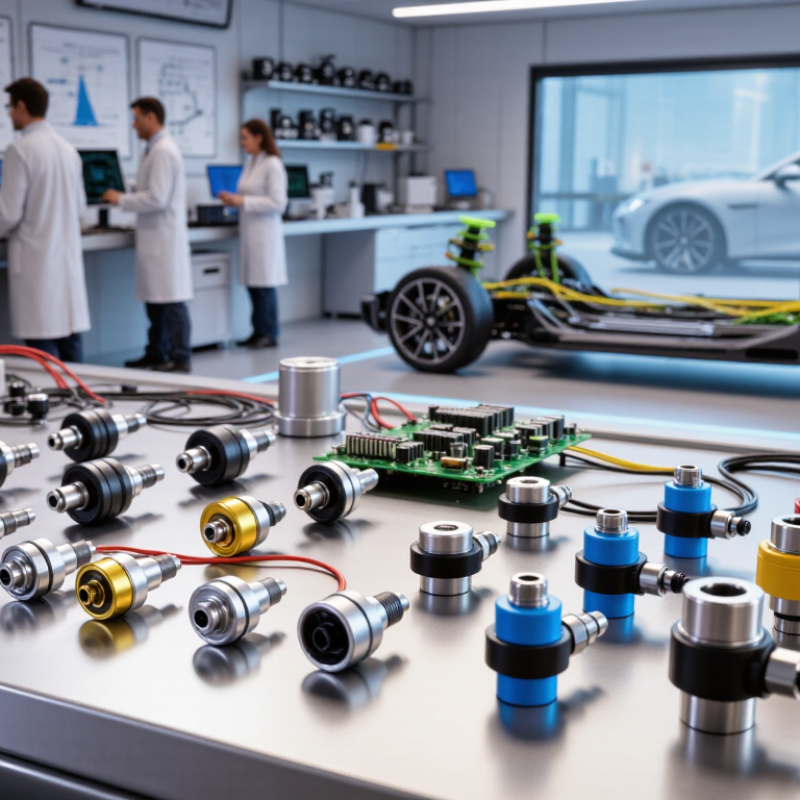
A reliable automotive sensor supplier should prove more than production capacity. Global buyers need evidence that each unit performs consistently across temperature changes, vibration, moisture, and electrical noise. Ask for test reports tied to the exact sensor configuration, not a generic product family. Small details matter.
Review the supplier’s quality controls, calibration records, traceability, and process-change notifications. For a pressure sensor, for example, check how the supplier verifies output across its operating range and documents measurement uncertainty. Ask for evidence. A polished audit file alone does not show how problems are handled on a busy production line. Discuss failure analysis timelines, corrective actions, and how affected batches can be identified.
Procurement teams should also assess sample lead times, production capacity, packaging, and shipping routes to the destination plant. Confirm how the supplier protects components from moisture or static during transit, where relevant. Compare quoted lead times with actual performance over several orders. No checklist catches everything. One awkward but useful question is what the supplier cannot currently guarantee. Clear limits can be more trustworthy than broad promises, though buyers should revisit those limits as designs and volumes change.
Automotive Sensor Supplier Evaluation: Temperature Qualification Reference
Compare component qualification requirements with the operating conditions of the intended vehicle application.
AEC-Q100 temperature grades for integrated circuits: Grade 0, −40°C to 150°C; Grade 1, −40°C to 125°C; Grade 2, −40°C to 105°C; Grade 3, −40°C to 85°C. These are qualification reference ranges, not a guarantee of a particular sensor’s operating limits. Confirm the applicable standard revision and product datasheet with each supplier.
Key Sensor Types: Pressure, Position, Temperature, Radar, and LiDAR
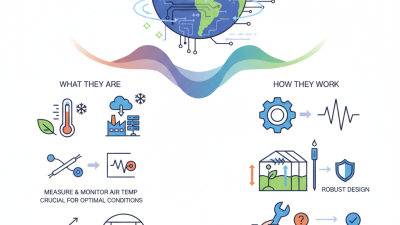
Automotive sensors turn physical changes into signals that vehicle systems can interpret. Pressure sensors monitor fluids and air, so buyers should check measurement range, response time, and resistance to vibration. Position sensors track movement in steering, pedals, and motors. Their output must remain stable through repeated motion and temperature changes. Small errors matter.
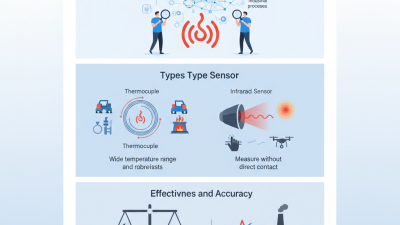
Temperature sensors face rapid shifts near engines, batteries, and cooling circuits. Ask suppliers for accuracy data across the full operating range, not just at room temperature. Radar sensors measure distance and relative speed in poor visibility, but installation angle and nearby structures can affect performance. LiDAR provides detailed distance measurements, though packaging, contamination, and cost may complicate integration. No sensor works in isolation.
For global sourcing, compare test methods, traceability, connector options, and technical support across production sites. Request sample units and review calibration records before approving volume orders. Check how suppliers manage lot variation and communicate design changes. Specifications can look convincing on paper; field conditions are less tidy. A useful supplier explains limitations plainly and supports testing in the intended vehicle environment.
EV Demand Signals: 17 Million Electric Cars Sold Worldwide in 2024
10 Best Automotive Sensors Suppliers for Global Buyers
EV Demand Signals: 17 Million Electric Cars Sold Worldwide in 2024
Global electric-car demand is now a measurable sourcing signal. The International Energy Agency’s Global EV Outlook 2025 reports more than 17 million electric cars sold in 2024, representing over 20% of new-car sales worldwide. That matters. Higher production volumes increase the need for reliable sensing in battery packs, electric motors, power electronics, and thermal systems. For global buyers, supplier capability must match these demanding applications.
A battery pack depends on accurate voltage and temperature readings to support monitoring and control. Motor-position sensors help manage electric drive performance, while pressure and temperature sensors support thermal systems. These parts face heat, vibration, and tight packaging constraints. Buyers should assess testing evidence, traceability, production consistency, and the supplier’s ability to support different vehicle platforms. Price alone is a weak filter.
One caveat: sales totals do not show which sensor categories will grow fastest, or where each vehicle is made. Regional demand and vehicle designs differ. The IEA’s figure is a strong market signal, not a purchase forecast. I would compare supplier samples under realistic operating conditions before making volume commitments. A spreadsheet cannot reveal every failure mode.
Profiles of 10 Automotive Sensor Suppliers by Technology and Reach
Automotive sensor suppliers are best compared by what they measure and where they can support production. One profile specializes in MEMS inertial sensors for stability systems; another focuses on pressure sensing for braking and fluid circuits. Temperature-focused suppliers serve battery packs and power electronics, while magnetic-sensing specialists track motor position and wheel speed. Optical suppliers support driver-assistance functions, and radar-focused firms provide short- or long-range detection hardware. Small details matter.
Other profiles include ultrasonic suppliers for close-range parking, gas-sensing specialists for cabin or exhaust monitoring, and position-sensor makers for steering and pedals. A tenth group combines several sensing technologies with signal-processing support. Their reach varies: some maintain regional engineering teams and nearby production, while others depend on distributors and longer shipping routes. Buyers should check documented operating ranges, environmental test data, traceability, and change-control practices. Ask how samples, calibration records, and technical questions are handled across time zones. A broad sales network does not guarantee fast engineering support. Not always. Comparing suppliers by technology, production capacity, and after-sales access gives a clearer view than a simple ranking. Yet public information can be incomplete, so some distinctions remain difficult to verify.
Compare Supplier Quality, ISO 26262 Readiness, Capacity, and Cost
Global buyers should compare automotive sensor suppliers with evidence, not polished presentations. Request recent defect trends, calibration records, environmental test results, and corrective-action examples. Ask how a supplier controls measurement drift after temperature cycling. Small details matter. A stable process often shows up in traceable lot data and repeatable test results, not broad quality claims.
ISO 26262 readiness needs a closer look than a certificate on a wall. Check whether the supplier can provide safety plans, requirements traceability, change-control records, and relevant failure-analysis documentation. Confirm which sites and product families fall within the stated scope. Readiness varies. A capable team should explain its role in the safety lifecycle and identify what remains the buyer’s responsibility.
Capacity and cost should be assessed together. Review monthly output, utilization, lead-time history, and plans for tooling failures or sudden demand changes. Ask whether a second production line uses the same process controls. Then compare total cost, including validation support, packaging, freight, and expected scrap—not just unit price. Cheap can mislead. A scorecard can still miss local supply risks or slow engineering responses, so include a technical discussion with the people who manage production and quality.