The rapid advancement of technology in the automotive industry has paved the way for the proliferation of automotive sensors, which are critical components in modern vehicles. Automotive sensors play a significant role in enhancing vehicle performance, safety, and overall driving experience. According to a recent report by Markets and Markets, the global automotive sensors market is expected to grow from USD 27.5 billion in 2021 to USD 41.3 billion by 2026, reflecting a strong CAGR of 8.5%. This growth can be attributed to the increasing demand for advanced driver assistance systems (ADAS), electrification of vehicles, and the rising emphasis on vehicle safety and emissions regulations.
These sensors, which include technologies such as pressure sensors, temperature sensors, and proximity sensors, provide essential data to the vehicle's control systems, ensuring optimized performance. For instance, the International Society of Automotive Engineers (SAE) indicates that vehicles with integrated sensor technologies can achieve improved fuel efficiency by up to 10% and reduce emissions significantly, aligning with global sustainability goals. As the automotive landscape continues to evolve, understanding the function and impact of automotive sensors becomes paramount for stakeholders striving to innovate in vehicle design and enhance overall operational effectiveness.
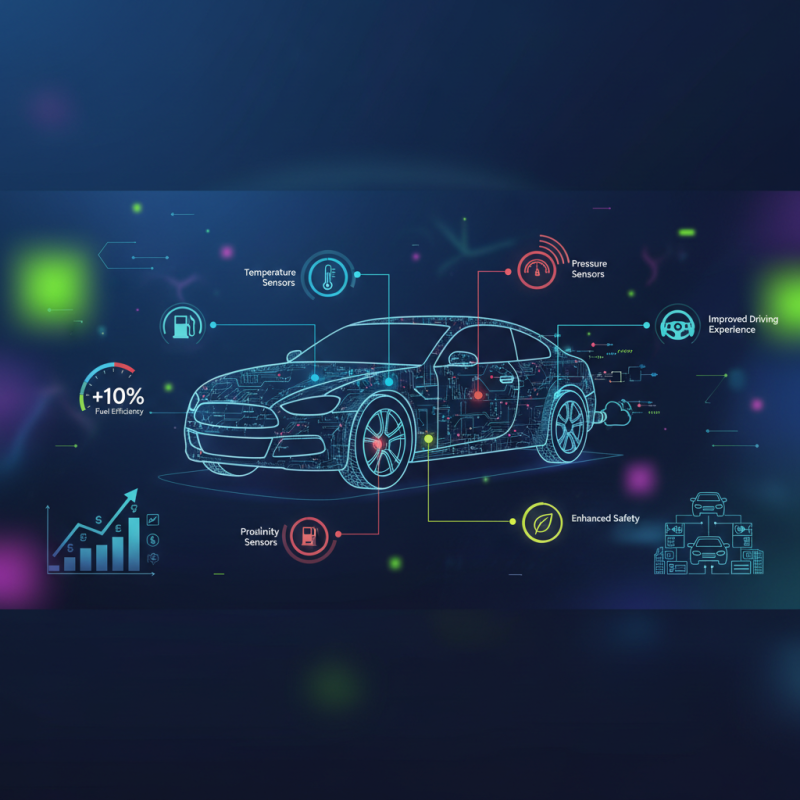
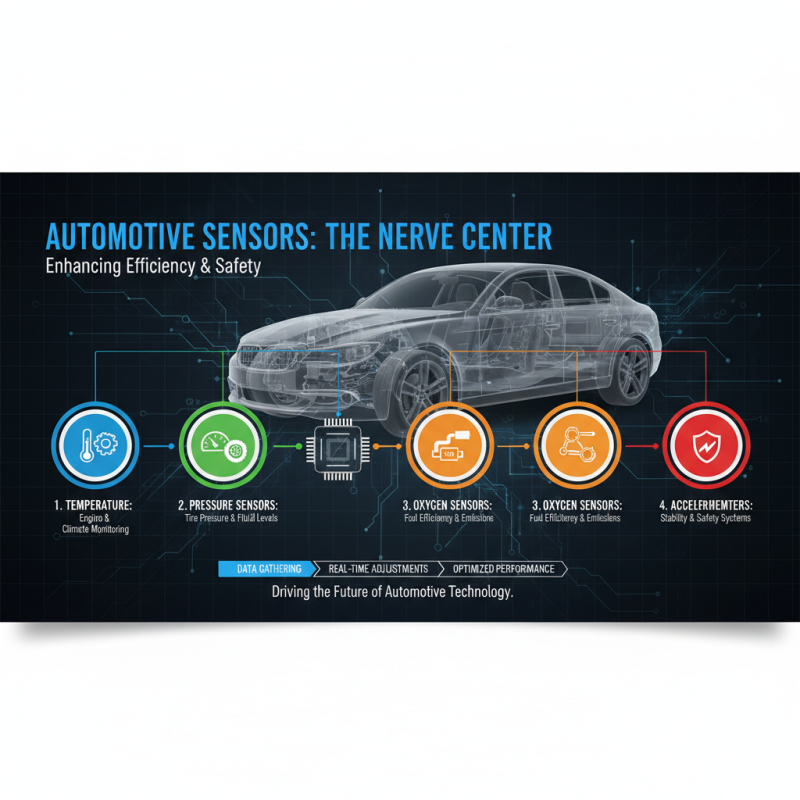
Automotive sensors are critical components in modern vehicles, designed to collect various data about the vehicle's performance and environment. These sensors include a wide range of technologies such as temperature sensors, pressure sensors, oxygen sensors, and accelerometers. Each type of sensor plays a unique role in monitoring specific parameters, such as engine performance, fuel efficiency, safety systems, and emission levels. By continuously gathering and transmitting data, automotive sensors enable the vehicle's onboard systems to make real-time adjustments, enhancing overall efficiency and safety.
The integration of automotive sensors also contributes significantly to the development of advanced driver-assistance systems (ADAS) and autonomous vehicles. For instance, sensors like lidar, radar, and cameras are vital for detecting obstacles, lane markings, and traffic signals, facilitating automated driving functions. As vehicles become more interconnected and reliant on data, the precision and reliability of these sensors directly impact vehicle performance, leading to improved handling, fuel economy, and reduced emissions. In summary, automotive sensors serve as the backbone of modern vehicle technology, ensuring optimal operation and paving the way for innovation in the automotive industry.

Automotive sensors play a crucial role in enhancing vehicle performance by collecting and relaying data that aids various functions within the vehicle. One key type of sensor is the temperature sensor, which measures the engine's coolant temperature. This information helps the engine control unit (ECU) adjust the air-fuel mixture for optimal combustion, ensuring efficiency and reducing emissions. Similarly, oxygen sensors monitor the amount of oxygen in the exhaust gases, providing feedback that assists in fine-tuning the combustion process to achieve better fuel economy.
Another vital category of sensors includes pressure sensors, such as those used in tire pressure monitoring systems (TPMS). These sensors help maintain proper tire inflation, which is essential not only for safety but also for fuel efficiency. Low tire pressure increases rolling resistance, leading to greater fuel consumption. Additionally, speed sensors track the vehicle's speed and relay this information to various systems, including the transmission and anti-lock braking system (ABS), enhancing overall vehicle performance and safety. Each type of sensor contributes significantly to the vehicle's ability to operate smoothly and efficiently, highlighting the importance of these technological components in modern automotive design.
This chart illustrates the impact of various automotive sensors on vehicle performance, rated on a scale of 1 to 10. Higher ratings indicate a greater contribution to enhanced performance.
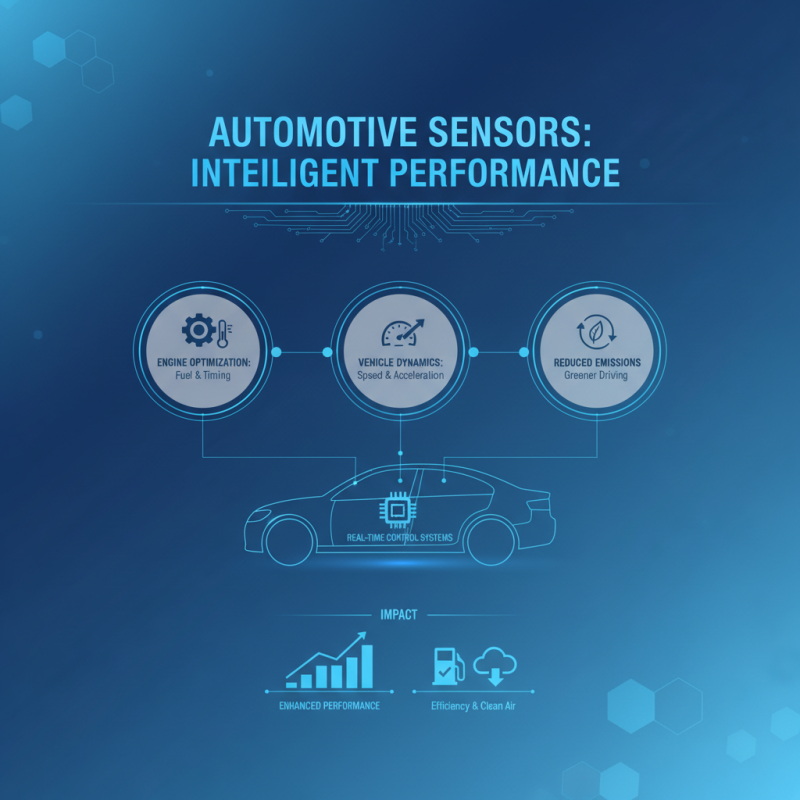
Automotive sensors play a crucial role in enhancing vehicle performance by providing real-time data that informs various systems within the vehicle. These sensors monitor critical parameters such as temperature, pressure, speed, and acceleration, enabling the vehicle’s control systems to make instantaneous adjustments. For example, the engine management system utilizes data from temperature and pressure sensors to optimize fuel injection and ignition timing, ensuring that the engine runs efficiently. This not only improves performance but also reduces emissions, ultimately contributing to a greener driving experience.
Moreover, sensors significantly enhance safety features in vehicles. Advanced driver-assistance systems (ADAS) rely on various sensors like cameras, radar, and lidar to detect obstacles, monitor lane positions, and even predict the behavior of other drivers. By processing this information, vehicles can implement features such as automatic emergency braking and adaptive cruise control, which greatly enhance overall safety and driving experience. As automotive technology continues to evolve, the integration and sophistication of sensors will further optimize not only the performance of vehicles but also make driving safer and more enjoyable.
The Role of Sensors in Modern Vehicle Safety Systems
In contemporary automotive engineering, sensors have emerged as pivotal components that greatly enhance vehicle safety systems. These devices collect real-time data about the vehicle's environment and the driver’s behavior, allowing for responsive adjustments and preventive measures. According to the Automotive Industry Association, around 90% of new vehicles are now equipped with advanced driver-assistance systems (ADAS), many of which rely heavily on various sensors. These systems utilize technologies such as LIDAR, radar, and cameras to detect obstacles, monitor traffic conditions, and assess driver attentiveness, transforming the way collisions and accidents are mitigated.
Moreover, sensors play a critical role in the development of autonomous driving technology. The International Society of Automotive Engineers estimates that by 2030, the integration of advanced sensors will reduce accident rates by up to 50%, significantly improving road safety. Features such as lane-keeping assist, automatic emergency braking, and adaptive cruise control depend on sensor data to function effectively. As the automotive industry continues to innovate, the reliance on sophisticated sensor technology will likely become even more pronounced, ultimately leading to safer driving experiences and a reduction in traffic fatalities.
The automotive industry is on the brink of a revolutionary transformation driven by advancements in sensor technology. With the increasing integration of automation and connectivity in vehicles, the demand for sophisticated sensors has surged. According to a recent market research report, the automotive sensor market is expected to reach approximately $55 billion by 2025, growing at a CAGR of around 10% from 2020. This growth is largely attributed to the rising need for safety features and enhanced vehicle performance, leading to the proliferation of sensors in various applications such as advanced driver-assistance systems (ADAS), engine control, and tire pressure monitoring systems (TPMS).
Future trends indicate that the focus will shift toward the development of more intelligent and capable sensors. Innovations such as LiDAR and advanced image sensors are set to redefine the capabilities of vehicles, enabling functionalities like autonomous driving and improved traffic management. Additionally, the integration of artificial intelligence (AI) with sensor data analysis will provide real-time feedback, promoting energy-efficient driving and predictive maintenance. Recent studies suggest that the use of AI-enabled sensors could reduce accident rates by up to 30% in the next decade, emphasizing their crucial role in enhancing safety.
Tips: When considering aftermarket sensor upgrades, ensure compatibility with your vehicle's existing systems. Additionally, keeping software updated can significantly enhance the performance of onboard sensors. Staying informed about the latest trends in sensor technology is key to maximizing vehicle efficiency and safety features.
As a specialist in environmental and flow sensor technology, ScioSense enables companies to use the planet’s resources more sustainably, helping to create a healthier future for all.